Moving to Barbados
The Caribbean's culinary capital: a former British colony turned republic, built around rum, reefs and Bajan cuisine.
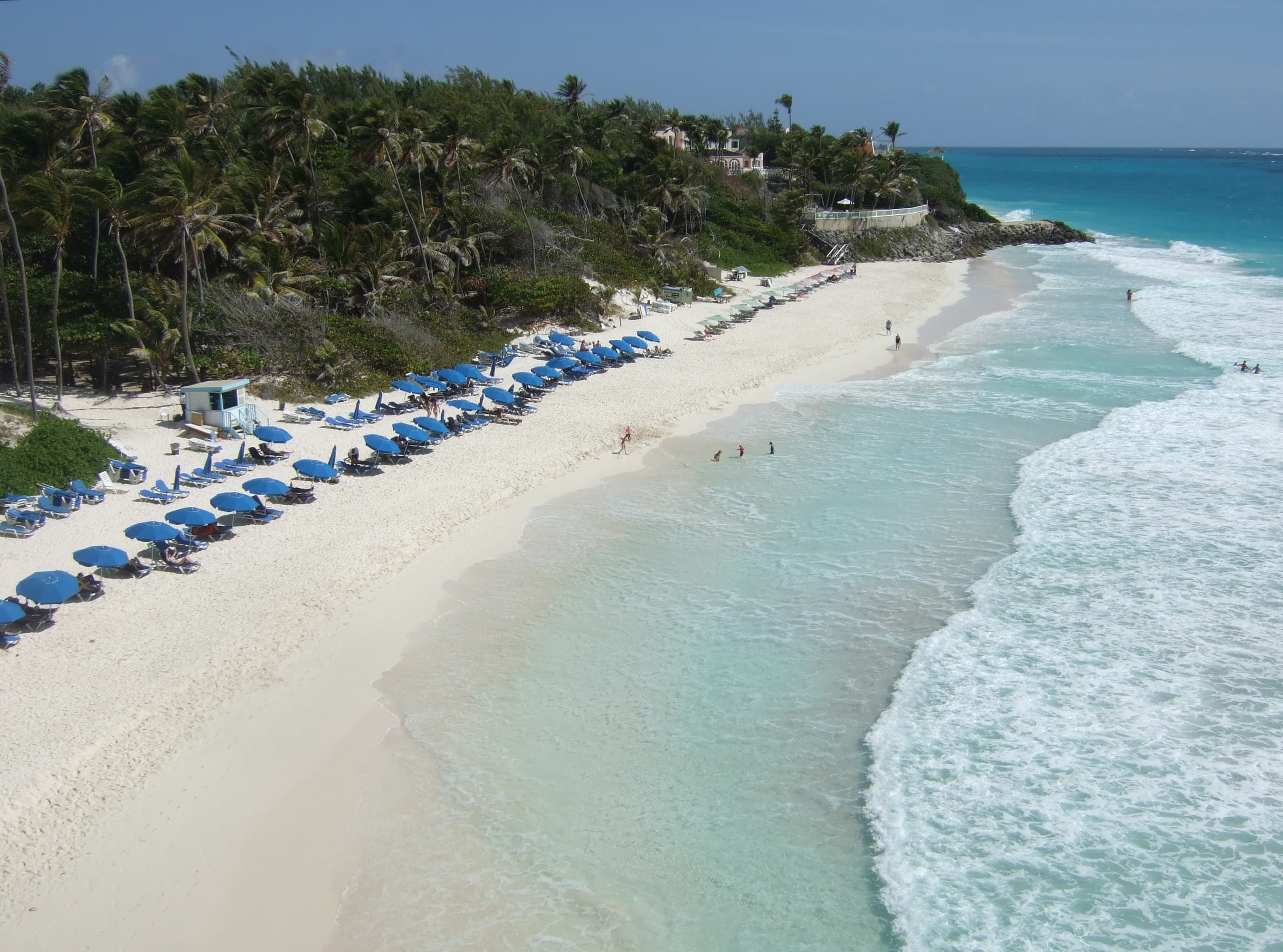
Barbados is the easternmost Caribbean island, a former British colony that became a parliamentary republic in 2021. It combines well-developed tourism infrastructure with deep cultural heritage: historic Bridgetown, the birthplace of rum, and a food scene often called the best in the Caribbean.
Capital
Bridgetown, in the parish of Saint Michael.
Population
≈282,000–283,000 (2025–2026 estimate)(Worldometer / UN-based estimates)
Area
≈430 km²
Independence
30 November 1966, from the United Kingdom. Became a parliamentary republic on 30 November 2021.
Independence Day falls on 30 November each year. Next marked in 76 days, 60 years on.
Coordinates
13.19°N, 59.54°W(view on Google Maps)
Languages
English (official), Bajan (Barbadian Creole) widely spoken
Currency
Barbadian dollar (BBD), fixed at BBD 2 to US$1. US dollars are widely accepted in tourist areas.
Median age
≈39.5 years (2020 estimate)
Age structure
0–14 years: ≈17%. 15–64 years: ≈68%. 65 years and over: ≈16%.
Ethnic composition
African descent ≈92%, mixed ≈3%, White ≈3%, East Indian ≈1%, other/unspecified ≈1%(CIA World Factbook (2010 census, most recent available))
Government
Parliamentary republic. Barbados removed the British monarch as head of state in November 2021; a President (currently ceremonial, elected by Parliament) is head of state, with a Prime Minister as head of government.
Where people live
Most residents live in and around Bridgetown and the south-coast parishes (Christ Church, Saint Michael, Saint James), which are also the main tourist and business areas. Barbados has a sizeable diaspora in the UK, US and Canada.
Cost of living
Rent, 1BR, ordinary local market
≈US$900–1,300/month inland or in smaller towns away from the coast
Rent, 1BR, marina / tourist areas
≈US$1,200–2,600/month in Bridgetown and the popular south/west-coast parishes (Hastings, Worthing, Holetown)
Groceries, one person
≈US$250–450/month
Utilities, small apartment
≈US$140–210/month for a small apartment, driven mostly by air conditioning use
Inexpensive restaurant meal
≈US$10–15
Mid-range dinner for two
≈US$40–90, higher at upscale beachfront or hotel restaurants
Modest monthly budget, single person
≈US$1,900–2,500/month all-in (modest rental, limited AC, local food)
Comfortable monthly budget, single person
≈US$3,000–4,500+/month all-in (good location, car, dining out, more AC)
Barbados runs more expensive than most of its CARICOM neighbours, especially housing on the south and west coasts and imported goods. A public bus pass runs roughly US$25–30/month, though coverage is limited. Luxury villas and premium rentals can run well beyond US$7,000/month. Listed rents vary a lot by source, so treat the ranges above as a starting point rather than a fixed price.
Sources: Numbeo and current rental listings and relocation guides (typical and popular-parish figures), as of August 2026. Cost-of-living figures are estimates that shift with the season and the neighbourhood; treat them as a starting point, not a quote.
Moving to Barbados
Visas, healthcare, taxes and where people settle, for anyone actually planning the move.
Visa and work permit
Barbados is one of the four CARICOM countries with full free movement: nationals of Barbados, Belize, Dominica and St. Vincent and the Grenadines can live and work in each other's countries without a CSME Skills Certificate. Other CARICOM nationals still apply for the CSME Skills Certificate; see the CSME steps for Barbados for the process. Non-CARICOM nationals can enter visa-free for up to 6 months as visitors but need an employer-sponsored work permit for local employment, or can apply for the Barbados Welcome Stamp, a renewable 12-month visa for people working remotely for an employer outside Barbados.
Permanent residency
The Welcome Stamp requires proof of at least US$50,000 in income over the visa year, an application fee of US$2,000 for an individual (US$3,000 for a family), and comes with an exemption from Barbados income tax on that foreign income for the visa's term; it does not permit local employment. Standard permanent residence is available after 5 years of continuous residence, and citizenship after 7 years for Commonwealth nationals. A Special Entry and Reside Permit (SERP) exists for retirees over 60 and high-net-worth individuals with substantial income and assets.
Healthcare
Queen Elizabeth Hospital (QEH) in Bridgetown is the main public hospital, backed by six polyclinics for primary care, funded partly through National Insurance Scheme contributions. Private GP visits run roughly BBD 75-150 and specialists BBD 150-300; international health insurance, required for the Welcome Stamp, typically runs US$150-500/month depending on age and coverage.
Taxes
Barbados taxes residents on worldwide income on a progressive scale: the first roughly BBD 25,000 a year is tax-exempt, then rates rise through 17.5% and 28.5% to 33.5% on income above BBD 60,000 a year, with a further exemption for people over 60. VAT is 17.5% on most goods and services. Welcome Stamp holders pay no Barbados tax on the foreign income that qualified them for the visa, but still pay VAT on local purchases.
Where people settle
Bridgetown
The capital and commercial centre. Two-bedroom apartments on the edges of town run roughly BBD 2,500-4,000/month.
The Platinum Coast (Holetown, Speightstown)
The well-known west-coast strip, popular with longer-term movers and retirees. Apartment rents start around BBD 5,000/month and go well beyond that for villas.
The south coast (St. Lawrence Gap, Hastings, Worthing, Oistins)
A livelier, more affordable strip mixing apartments, nightlife and the working fishing village at Oistins. Two-to-three-bedroom houses run roughly BBD 2,000-5,000/month.
The interior and east coast
Quieter parishes away from the tourist coasts, generally the most affordable option, with spacious houses from around BBD 1,500-3,500/month.
Sources: Expat.com and Barbados Welcome Stamp (official, via Visit Barbados), as of August 2026. Visa, residency and tax rules change: confirm current requirements with the relevant government agency before acting on them.
We can handle this for you
Visa or CSME paperwork, banking, housing, flights and everything else needed for a successful move to Barbados: this is exactly what we do every day. Reach out and we’ll walk you through every step.
Places to see
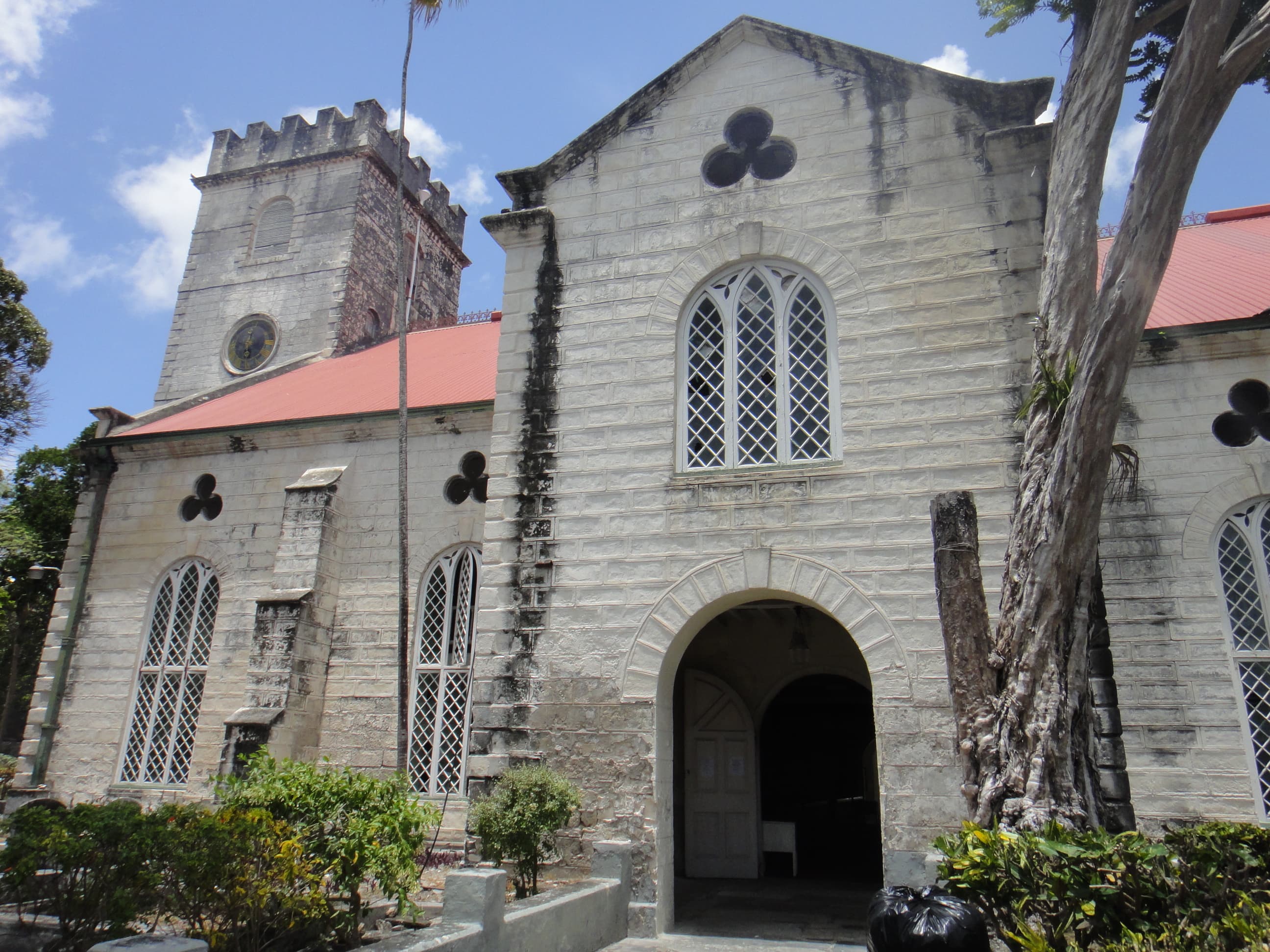
Historic Bridgetown and its Garrison
A UNESCO World Heritage Site since 2011: colonial architecture, the careenage waterfront, and the Garrison Savannah, once a British military headquarters.
Photo: Sachiko Haraguchi / UNESCO, CC BY-SA 3.0 IGO, via Wikimedia Commons
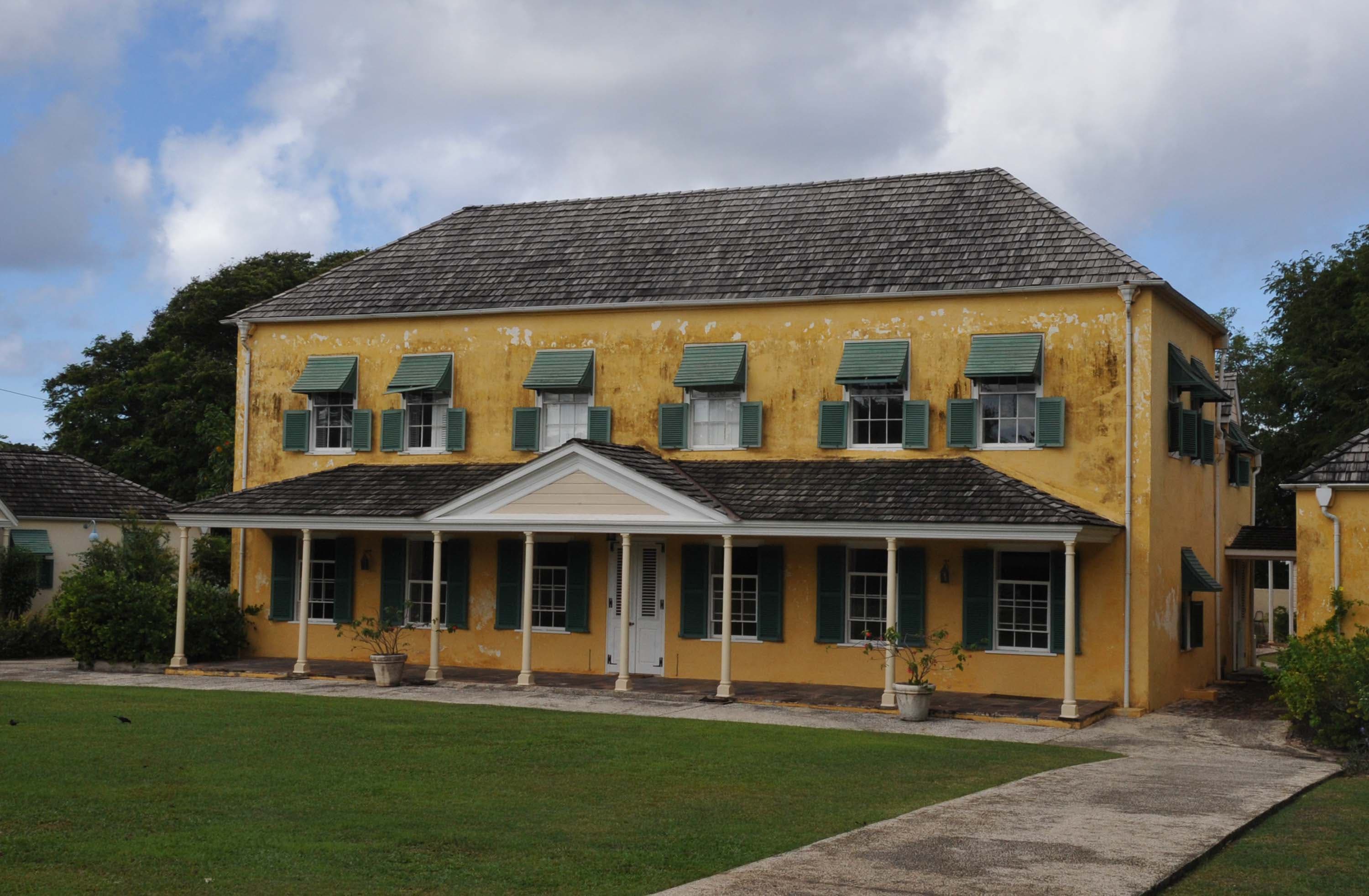
George Washington House
The only house outside the continental US where George Washington lived: six weeks in 1751, aged 19. Now a museum within the Garrison, with access to old tunnels.
Photo: Jerrye and Roy Klotz, MD, CC BY-SA 3.0, via Wikimedia Commons
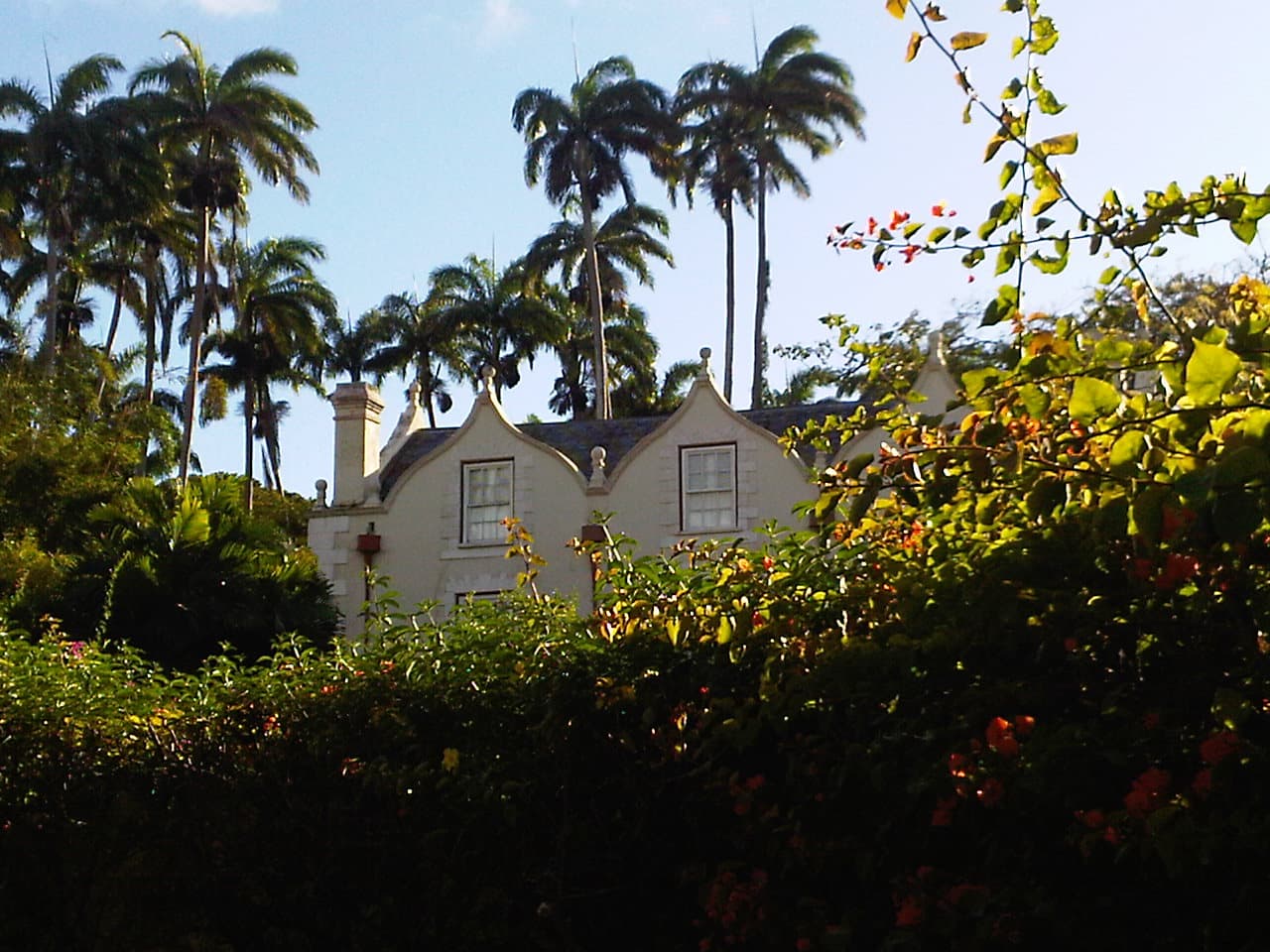
St. Nicholas Abbey
A well-preserved 1658 plantation house with its own rum distillery, gardens and a heritage railway.
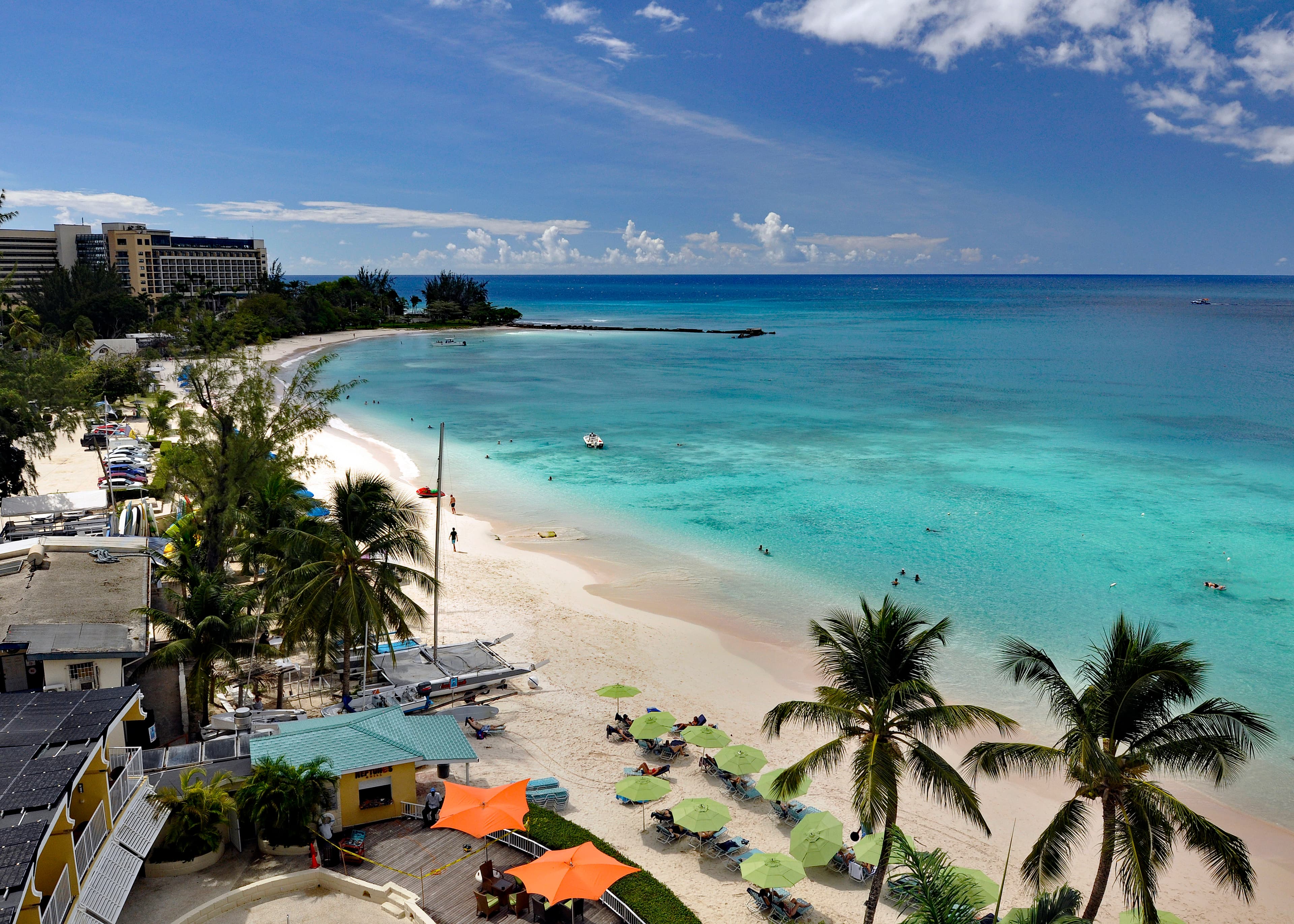
Carlisle Bay
A calm, clear bay near Bridgetown with several shipwrecks close to shore, popular for snorkelling and swimming with sea turtles.
Crane Beach
Pink-tinged sand below 80-foot cliffs on the southeast coast, regularly ranked among the world's best beaches.
Photo: Johnmartindavies, CC BY-SA 3.0, via Wikimedia Commons
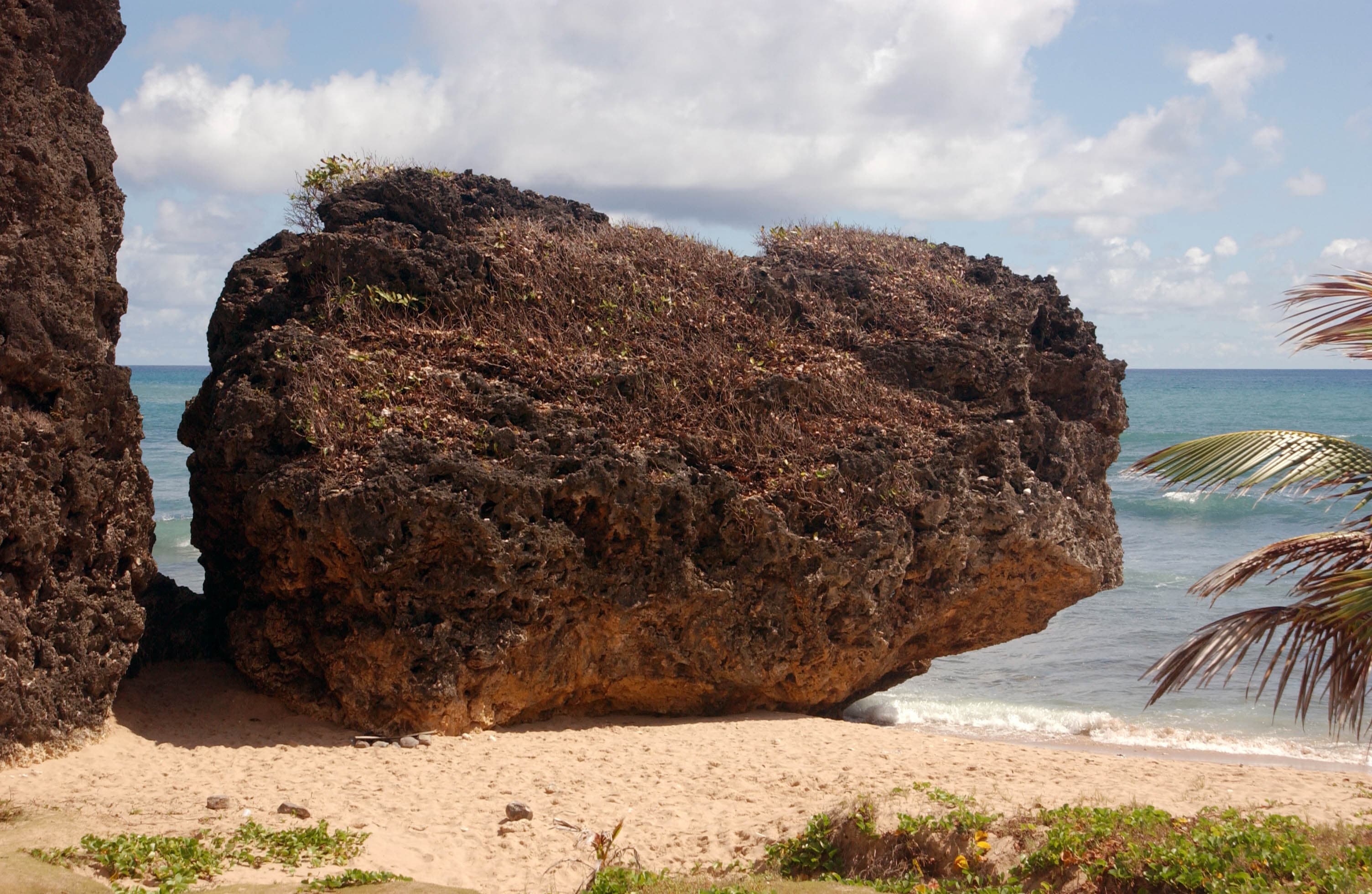
Bathsheba and the east coast
A rugged Atlantic coastline with the mushroom-shaped rock formations of the Soup Bowl: dramatic for photos and surfing, not for casual swimming.
Photo: Jerrye and Roy Klotz, MD, CC BY-SA 3.0, via Wikimedia Commons
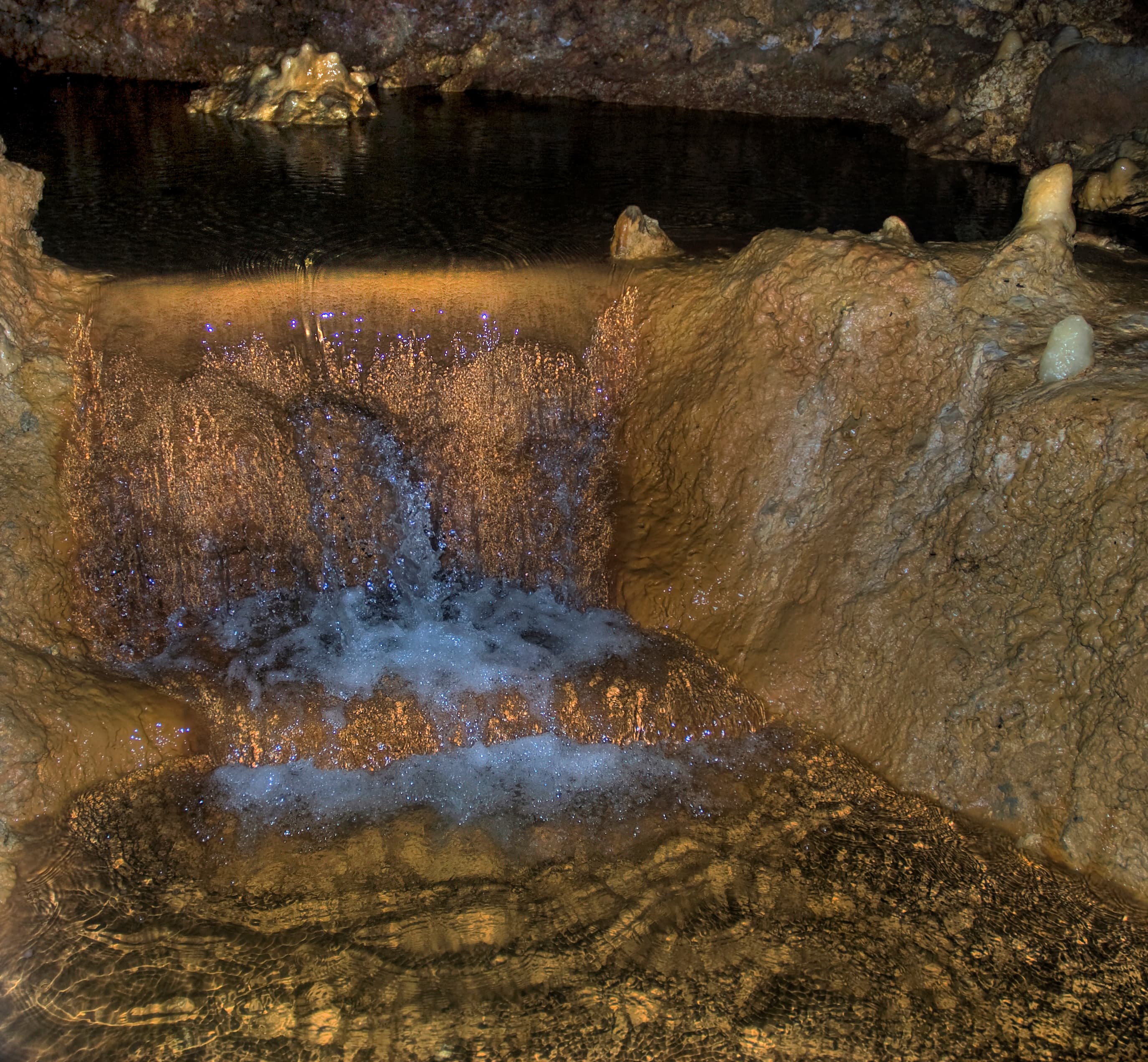
Harrison's Cave
A large limestone cave system with guided tram tours past stalactites, streams and underground chambers.
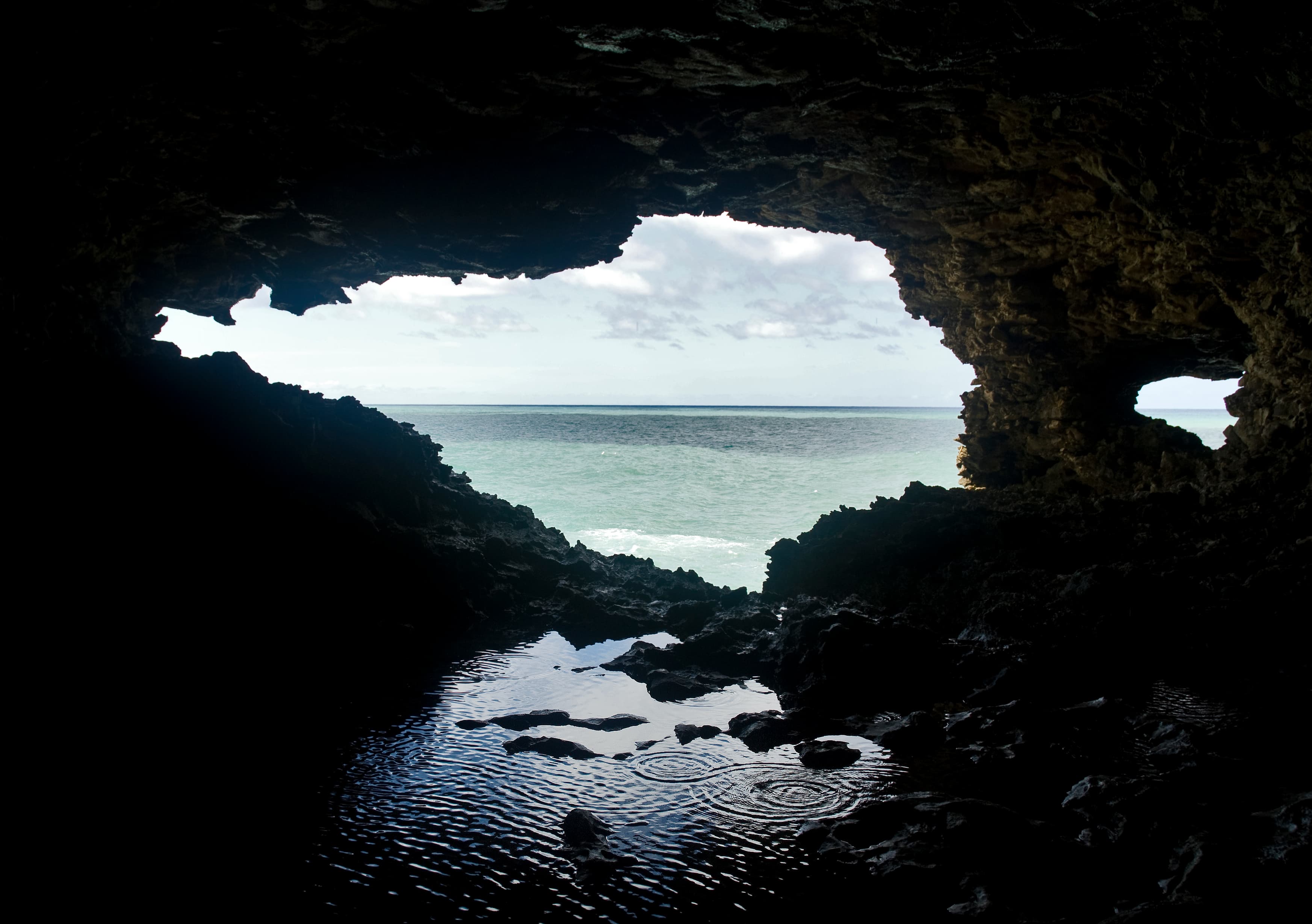
Animal Flower Cave
A sea cave on the north coast with a natural swimming pool and panoramic Atlantic views.
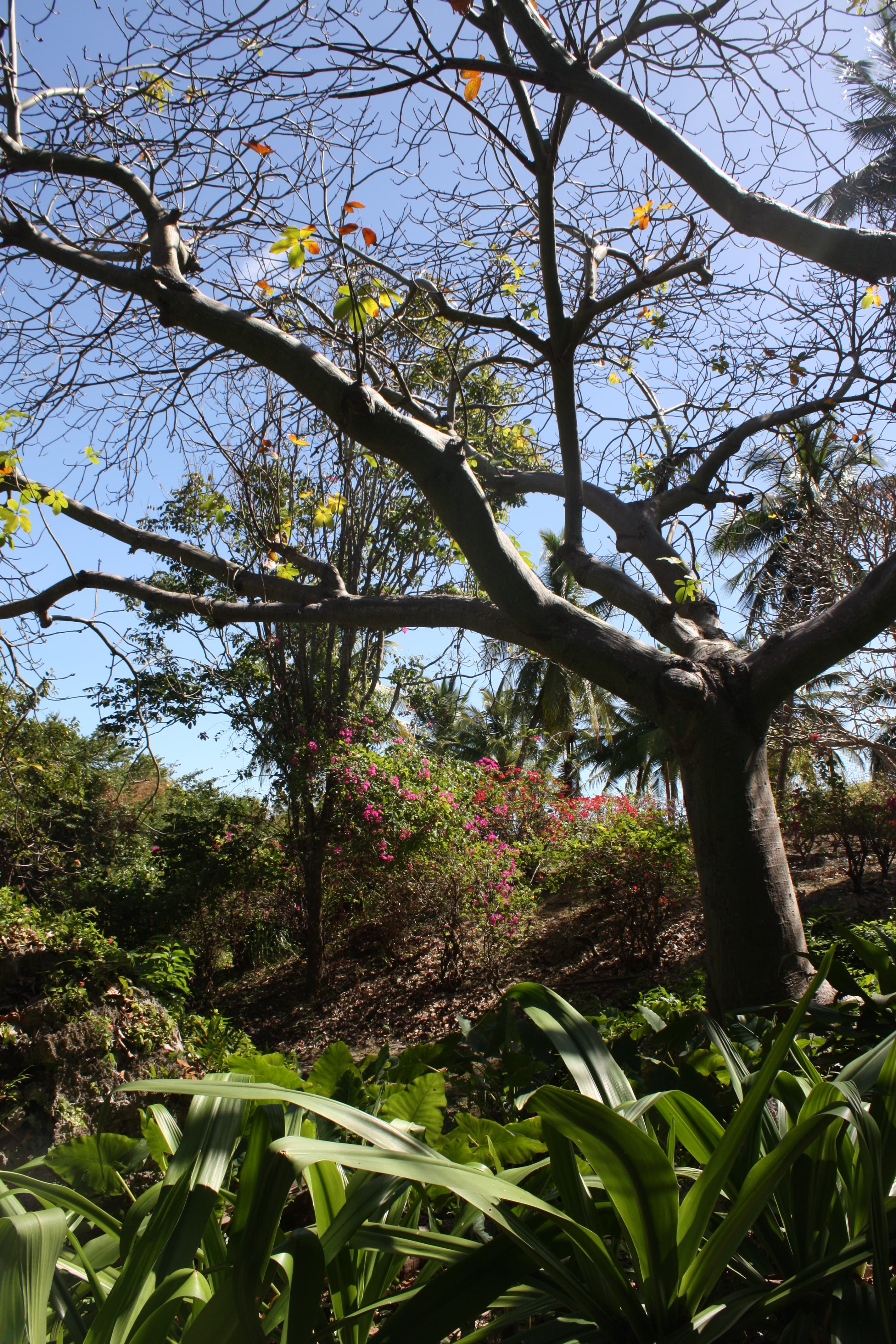
Welchman Hall Gully & Andromeda Botanic Gardens
A collapsed-cave tropical gully with monkeys and old-growth vegetation, and a coastal botanic garden in Bathsheba with over 500 plant species.
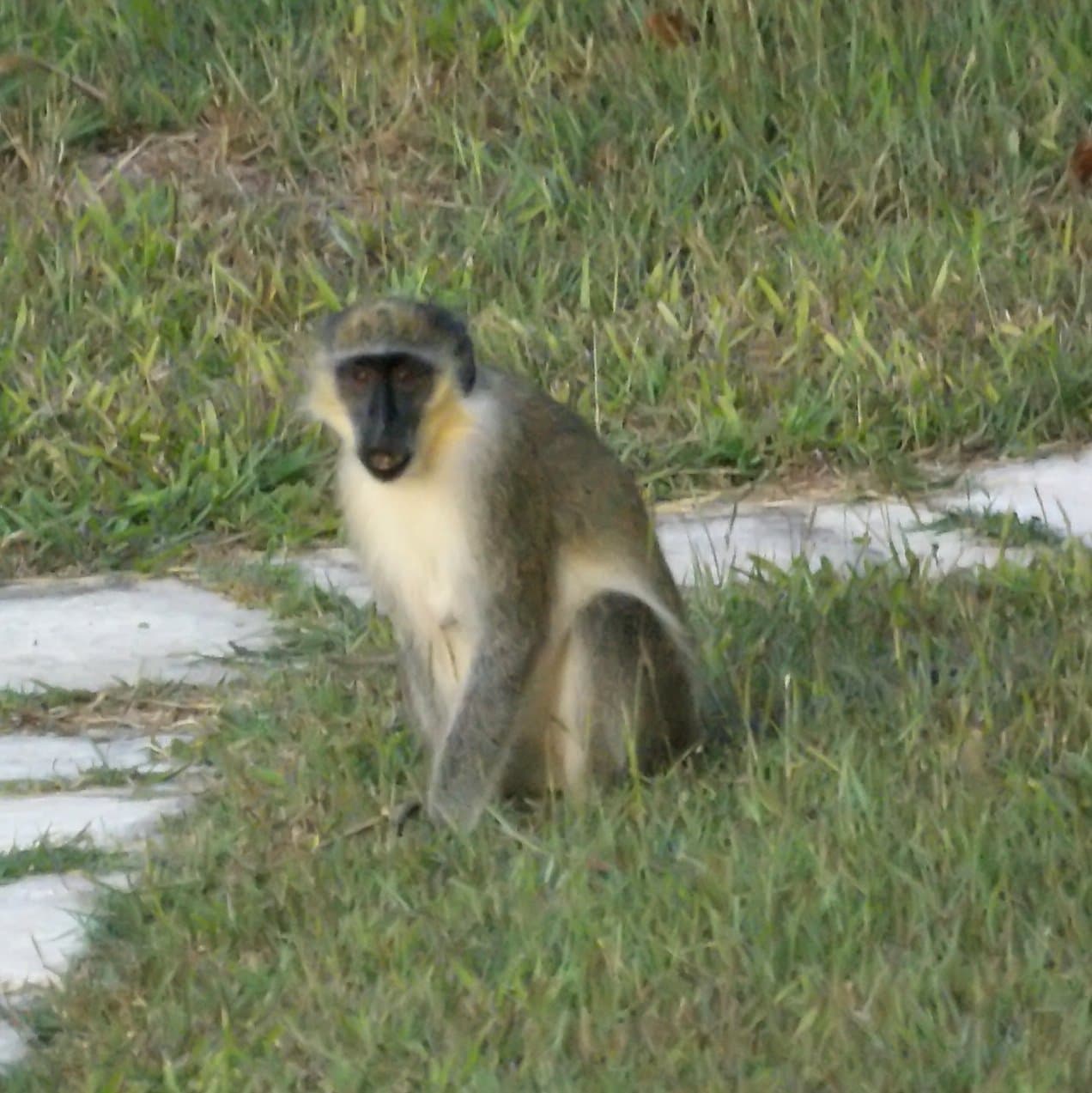
Barbados Wildlife Reserve
A mahogany-wood reserve in St. Peter where Barbados's green monkeys roam free, best seen at the 11am and 2:30pm feedings.
Experiences to have
Oistins Fish Fry
Friday (and Saturday) nights in the fishing town of Oistins: grilled marlin, swordfish and flying fish, calypso and soca, and craft stalls. Barbados's biggest tourist draw.
Crop Over Festival
A months-long festival rooted in the old sugar-harvest celebrations, building through July with calypso competitions to Grand Kadooment, a costumed road march in early August.
Rum distillery tours
Mount Gay (the world's oldest rum distillery, est. 1703), Foursquare in St. Philip, or St. Nicholas Abbey's own distillery.
Catamaran and snorkelling cruise
Half- and full-day sails from Bridgetown or the south coast, often including sea turtle encounters and shipwreck snorkelling in Carlisle Bay.
Surfing (or watching) at the Soup Bowl
A renowned reef break at Bathsheba on the east coast, one of the Caribbean's best-known surf spots.
A night out in St. Lawrence Gap
The south coast's dining and nightlife strip: everything from casual bars to gourmet restaurants, near Dover Beach.
Local dishes to try
Cou-cou and flying fish
The national dish: a cornmeal-and-okra side (cou-cou) similar to polenta, served with flying fish stewed in a tomato-based sauce.
Macaroni pie
Baked, spiced macaroni and cheese: a Bajan Sunday-table staple, not a side dish to skip.
Fish cakes
Deep-fried, spiced saltfish fritters, sold everywhere as street food and a classic rum-shop snack.
Pudding and souse
A traditional Saturday dish: spiced pickled pork (souse) served with sweet potato pudding.
Best places to eat
The CliffSt. James, west coast
Fine dining with a Michelin-trained chef and sea views over illuminated waters: a special-occasion splurge.
The Fish PotSix Men's Bay, north-west coast
A well-regarded, relaxed beachfront spot for fresh seafood in a converted fort.
Champers RestaurantHastings, south coast
A long-running, owner-run favourite for local, Barbados-caught seafood, with a gallery of Caribbean art on-site.
Uncle George's Fish Net GrillOistins
Grilled fish and seafood in the heart of the Oistins Fish Fry scene, with regular live music.
Cuz's Fish StandPebbles Beach, Bridgetown
A decades-old, no-frills stand famous for its fried marlin fish cutter sandwiches, one of the island's most-loved cheap eats.
Anthem, motto and pledge
National motto
“Pride and Industry”
National anthem
“In Plenty and In Time of Need”, words by Irving Burgie, music by C. Van Roland Edwards. Adopted 30 November 1966, at independence.
Listen / read more →National pledge
I pledge allegiance to my country Barbados and to my flag, To uphold and defend their honour, And by my living to do credit to my nation wherever I go.
Source: Government of Barbados (gov.bb), written by Lester Vaughan, adopted 2 April 1973
Barbados: frequently asked questions
How do I move to Barbados as a CARICOM national?
The CARICOM Skills Certificate (CSME) is the main route to live and work in Barbados without a work permit. See the CSME steps for Barbados for the full application process.
Do all CARICOM nationals need the certificate, or is there full free movement?
Barbados is one of four CARICOM countries with full free movement between themselves: Barbados, Belize, Dominica, St. Vincent and the Grenadines. Nationals of those four can live and work in Barbados without a CSME Skills Certificate. Everyone else moving to Barbados still needs the certificate.
How much does it cost to visit Barbados?
Barbados is a premium Caribbean destination, priced higher than many smaller islands. A budget traveller can expect roughly US$120–180/day (guesthouse or budget hotel, local food, limited tours); mid-range roughly US$250–400/day (a 3–4 star hotel or nice Airbnb, a mix of local and nicer restaurants, several tours); luxury US$600+/day (upscale resort or boutique hotel, fine dining, private tours). For a longer stay, see the cost-of-living section above for typical monthly rent.
What is the currency and do I need cash?
The currency is the Barbadian dollar (BBD), fixed at BBD 2 to US$1. US dollars are widely accepted in tourist areas, though change may come back in BBD. Major cards work in most hotels, restaurants and larger shops, but smaller vendors and markets often prefer cash. ATMs are widely available in Bridgetown, the south coast and other tourist areas.
Do I need a visa to visit as a tourist?
Many nationalities, including the US, UK, Canada, the EU and CARICOM, can enter visa-free for short stays, often up to 90 days, with a valid passport and proof of onward travel. Always confirm current rules with the Barbados Immigration Department or your nearest embassy before travelling.
How do I get around the island?
Government and private buses cover most of the island cheaply and fairly reliably. Taxis are readily available at the airport, cruise port and major hotels; agree the fare in advance. Rental cars are available at the airport and in major towns; driving is on the left, and roads are generally good but narrower in rural areas. Route taxis and shared vans run along main routes and cost less than a private taxi.
What are the must-do experiences in Barbados?
Swim with sea turtles and snorkel shipwrecks on a catamaran cruise from Bridgetown or the south coast, walk historic Bridgetown and the Garrison (a UNESCO World Heritage Site) and George Washington House, tour St. Nicholas Abbey's plantation house and rum distillery, relax on Crane Beach or the south-coast beaches, catch the Oistins Fish Fry on a Friday night, and tour a rum distillery such as Mount Gay, Foursquare or St. Nicholas Abbey.
What local food should I try?
Cou-cou and flying fish is the national dish. Also look for macaroni pie, fish cakes, pudding and souse (a traditional Saturday dish), and fresh grilled fish, lobster and conch. The Oistins Fish Market and Fish Fry, south-coast beachfront grills, and local cookshops in Bridgetown and other towns are good places to start.
Is Barbados safe for tourists?
Barbados is generally considered one of the safer Caribbean destinations for tourists. Use normal precautions: don't leave valuables in cars, avoid poorly lit areas at night, and keep an eye on belongings at the beach. Petty theft can occur, especially in crowded areas and at night. Check your government's current travel advisory before you go.
What is the best time to visit?
December to April is the dry, sunny, busiest and most expensive stretch. May–June and November are shoulder season: good weather, fewer crowds. July–October is the rainier, cheaper, hurricane-season stretch. Many visitors choose May–June or November for the best mix of weather and value.
What should I pack?
Light, breathable clothing, swimwear, sandals, a hat and sunglasses, plus sunscreen and insect repellent. A light jacket or sweater helps for air-conditioned spaces and evening breezes. Bring something a little more modest if you'll visit a church or formal venue, and a rain jacket or umbrella if travelling in the wetter months.
Any cultural tips I should know?
Barbadians ("Bajans") value good manners; a greeting before asking a question is appreciated. Dress is casual but neat, with modest attire expected in churches and some villages. Tipping 10–15% in restaurants is standard if a service charge isn't already included, and small tips for taxi drivers and tour guides are welcome. Friday night at Oistins Fish Fry draws a crowd, so expect music, noise and a lively atmosphere.
Thinking about moving to Barbados?
Let us help you plan the next step. Get a personalised document plan, estimated timeline and practical next steps for your destination.
Last reviewed August 2026. Cost of living figures, rents, fees and office details change, and the figures here are drawn from the named sources on this page rather than being guaranteed prices. Confirm anything you are relying on before you act on it.