Moving to Antigua and Barbuda
365 beaches, a working Georgian dockyard, and the Caribbean's biggest frigate bird colony.
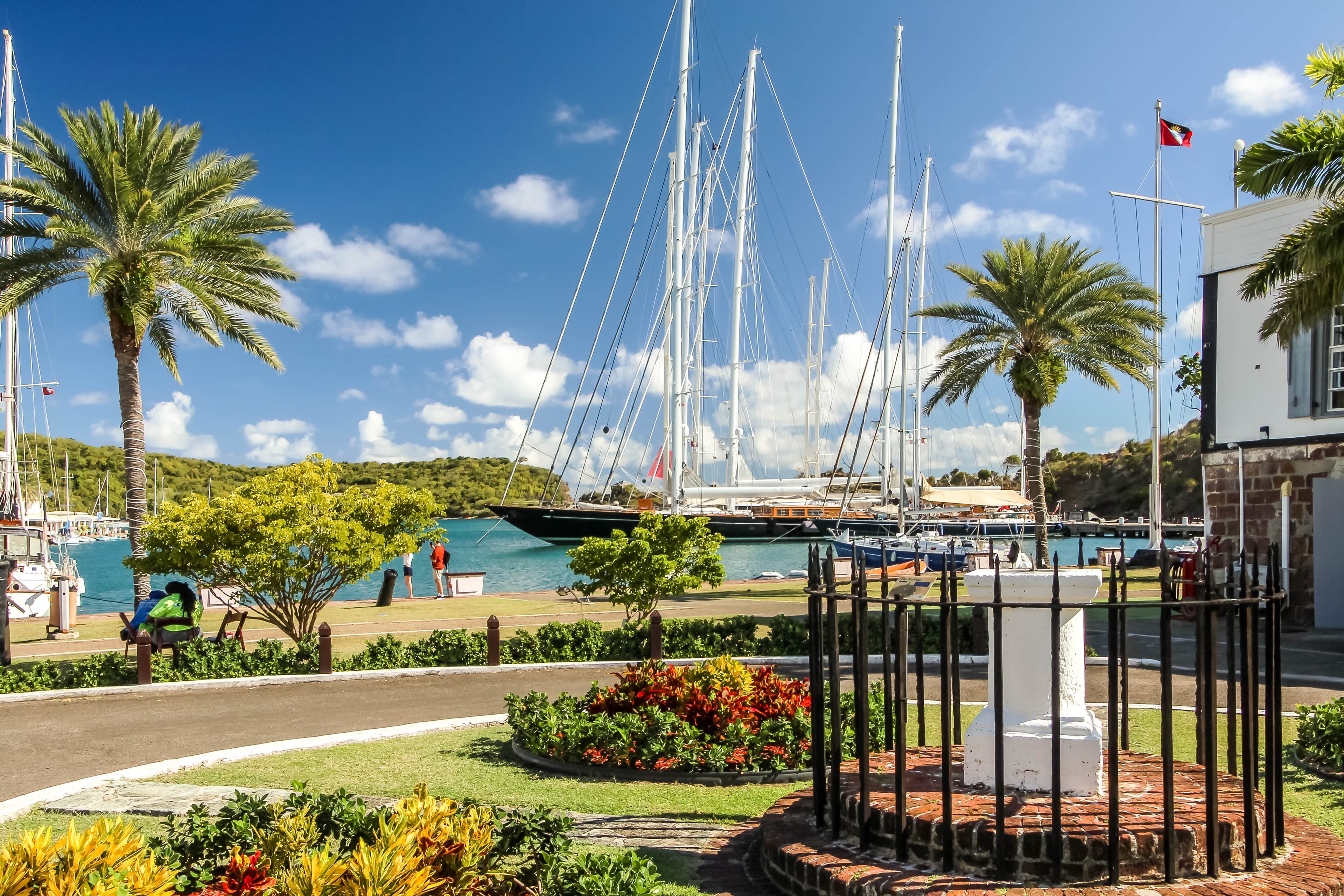
Antigua and Barbuda is a two-island nation in the Eastern Caribbean: Antigua, the larger and more developed island, built around sailing, historic English Harbour and its beaches; and Barbuda, low-lying, sparsely populated and largely undeveloped, known for pink sand and seabirds.
Capital
St. John's, on Antigua. Barbuda's main settlement is Codrington.
Population
≈94,200 (2025 estimate; some sources put it as high as ≈105,000)(UN World Population Prospects (2024 revision), via Worldometer)
Area
≈442 km² total (Antigua ≈281 km², Barbuda ≈161 km², plus the small uninhabited islet of Redonda)
Independence
1 November 1981, from the United Kingdom
Independence Day falls on 1 November each year. Next marked in 47 days, 45 years on.
Coordinates
17.06°N, 61.80°W(view on Google Maps)
Languages
English (official), Antiguan Creole (widely spoken)
Currency
Eastern Caribbean dollar (XCD), fixed at EC$2.70 to US$1 since 1976. US dollars are widely accepted in tourist areas.
Median age
33.6 years (2023 estimate)
Outlying islands
≈2,200 people live on Barbuda(March 2025 population estimate)
Age structure
0–14 years: ≈22%. 15–64 years: ≈68%. 65 years and over: ≈10%.
Ethnic composition
African descent ≈87%, mixed ≈5%, Hispanic ≈3%, White ≈2%, other/unspecified ≈4%(CIA World Factbook (2011 census, most recent available))
Government
Parliamentary constitutional monarchy within the Commonwealth. King Charles III is head of state, represented locally by a Governor-General; a Prime Minister heads the government.
Where people live
Most residents live in or around St. John's and other coastal communities on Antigua; Barbuda is sparsely populated.
Cost of living
Rent, 1BR, ordinary local market
≈US$800–1,300/month for an ordinary local rental
Rent, 1BR, marina / tourist areas
≈US$1,200–2,500+/month in marina and beachfront areas (English Harbour, Jolly Harbour)
Groceries, one person
≈US$150–400/month, depending on how much you rely on imported vs. local produce and seafood
Utilities, small apartment
≈US$120–300/month for a small apartment, mostly driven by how much air conditioning is used
Inexpensive restaurant meal
≈US$10–12
Mid-range dinner for two
≈US$40–90, heavily dependent on whether it's a casual local spot or a marina-area restaurant
Modest monthly budget, single person
≈US$1,100–1,700/month all-in (modest rental, local food, limited AC)
Comfortable monthly budget, single person
≈US$1,800–2,500+/month all-in (private rental in a desirable area, dining out regularly, a car)
Expect rent to vary a lot depending on the type of listing: a premium, expat-oriented apartment costs noticeably more than an ordinary local rental in the same area, which is why the range above is wide. Prices are quoted in US dollars since the EC dollar is pegged to it.
Sources: Numbeo, Global Citizen Solutions and Wise and TheLatinvestor real-estate market analysis and expat relocation guides (typical local figures), as of August 2026. Cost-of-living figures are estimates that shift with the season and the neighbourhood; treat them as a starting point, not a quote.
Moving to Antigua and Barbuda
Visas, healthcare, taxes and where people settle, for anyone actually planning the move.
Visa and work permit
CARICOM nationals can enter visa-free and apply for a CARICOM Skills Certificate (the CSME route) to live and work in Antigua and Barbuda without a work permit; see the CSME steps for Antigua and Barbuda for the application process. Antigua and Barbuda is also one of six OECS member states with full free movement among themselves (Antigua and Barbuda, Dominica, Grenada, St. Kitts and Nevis, Saint Lucia and St. Vincent and the Grenadines): citizens of those countries can settle here indefinitely and work without a permit at all. Non-CARICOM nationals commonly get a visa-free stay of up to 180 days as visitors, but need a work permit, arranged through a local employer, before taking up employment.
Permanent residency
Antigua and Barbuda also runs an investment-based Permanent Residence programme, open to people who can show a minimum annual income of US$100,000 and pay a flat annual tax of US$20,000, with a minimum physical presence of only around 30 days a year, plus a separate Citizenship by Investment programme typically processed in 3 to 6 months. Both are aimed at people buying tax residency or a second passport, not the standard route for someone moving here to work.
Healthcare
Mount St. John's Medical Centre in St. John's is the main public hospital. Most movers carry private health insurance, roughly US$240-390/month for local coverage or US$400-800/month for an international plan, and use private clinics for routine care. For serious or specialist treatment, medical evacuation to Miami (about 3 hours by air) or Barbados is common, so it's worth checking what a policy covers for evacuation.
Taxes
Antigua and Barbuda has charged no personal income tax on residents since April 2016, covering wages, business, pension and investment income alike, with no capital gains, inheritance or wealth tax either. The tax most residents notice day to day is the Antigua and Barbuda Sales Tax (ABST), a 15% consumption tax added to most goods and services.
Where people settle
Saint John's
The capital, with roughly 22,000 people and most government offices, banks and medical facilities on the island. Two-bedroom apartments run roughly US$800-1,200/month.
Jolly Harbour
A planned resort community built around a 700-berth marina, with a golf course and its own private security, drawing plenty of North American and European movers. Two-bedroom condos run roughly US$1,500-2,500/month.
English Harbour and Falmouth Harbour
The island's sailing heartland, home to the UNESCO-listed Nelson's Dockyard and a magnet for the yachting crowd. Costs generally run higher here than in Jolly Harbour.
Five Islands Village
A cheaper alternative close to the airport, with easy beach access. Two- to three-bedroom houses run roughly US$900-1,500/month.
Sources: Expat.com and Caribbean Journal, as of August 2026. Visa, residency and tax rules change: confirm current requirements with the relevant government agency before acting on them.
We can handle this for you
Visa or CSME paperwork, banking, housing, flights and everything else needed for a successful move to Antigua and Barbuda: this is exactly what we do every day. Reach out and we’ll walk you through every step.
Places to see
Nelson's Dockyard
A UNESCO World Heritage site in English Harbour and the world's only continuously working Georgian-era dockyard, with a museum, restaurants and historic naval buildings.
Shirley Heights
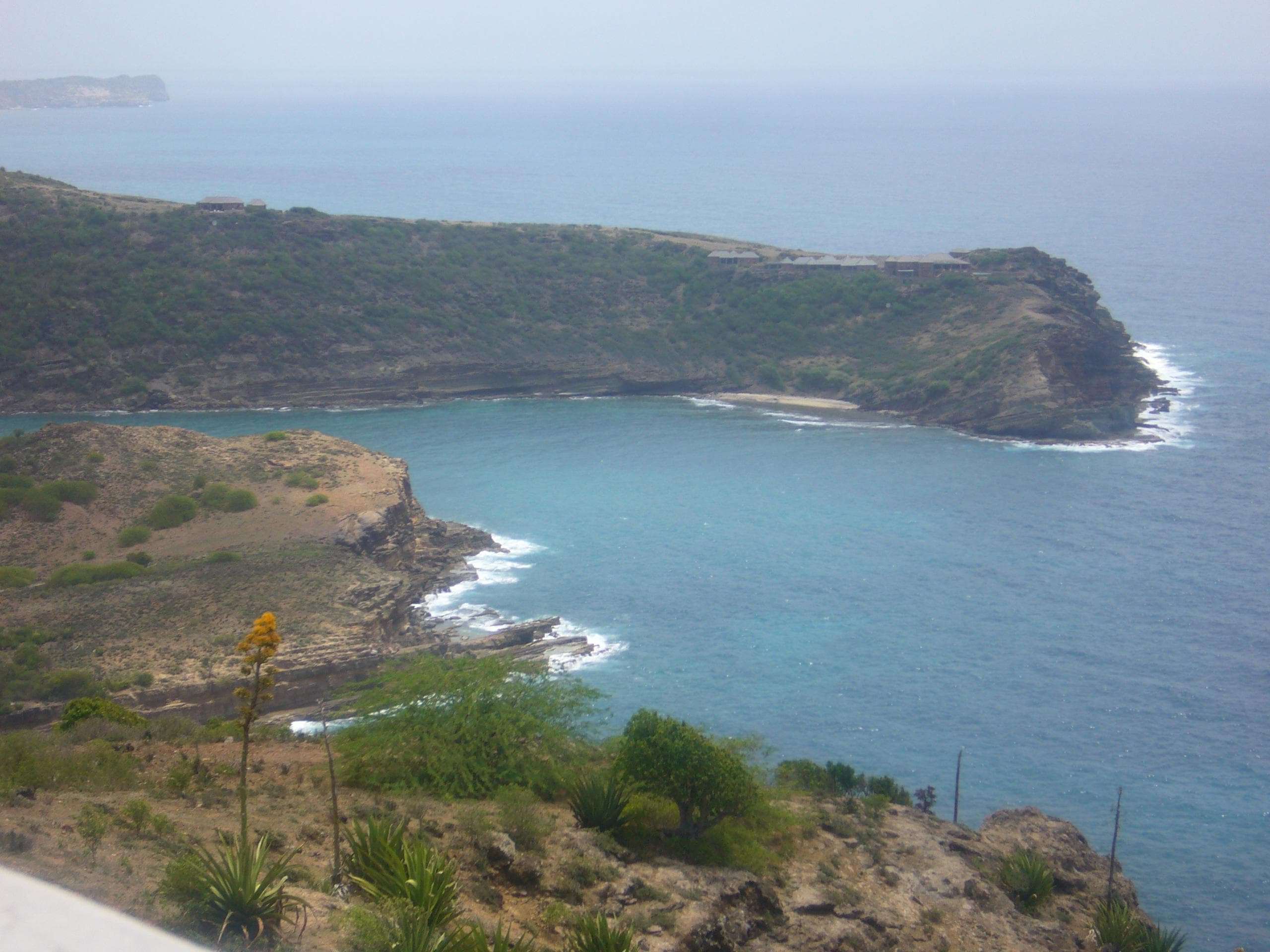
A hilltop lookout with panoramic views over English Harbour, best known for its Sunday evening steel-band and sunset party.
Devil's Bridge
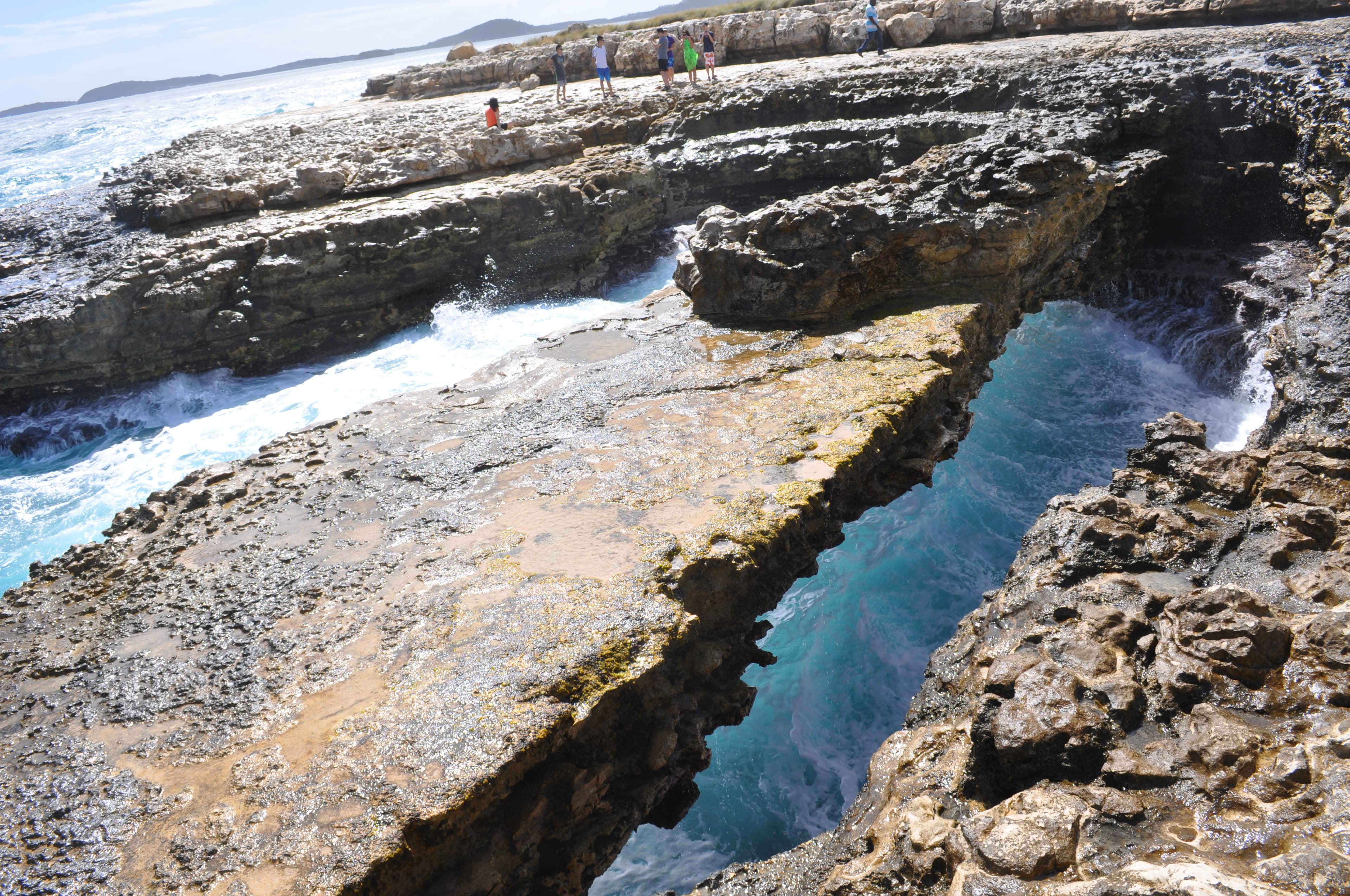
A natural limestone arch at Indian Town National Park, carved by the Atlantic. At high tide, waves force geysers of water through blowholes in the rock.
Betty's Hope
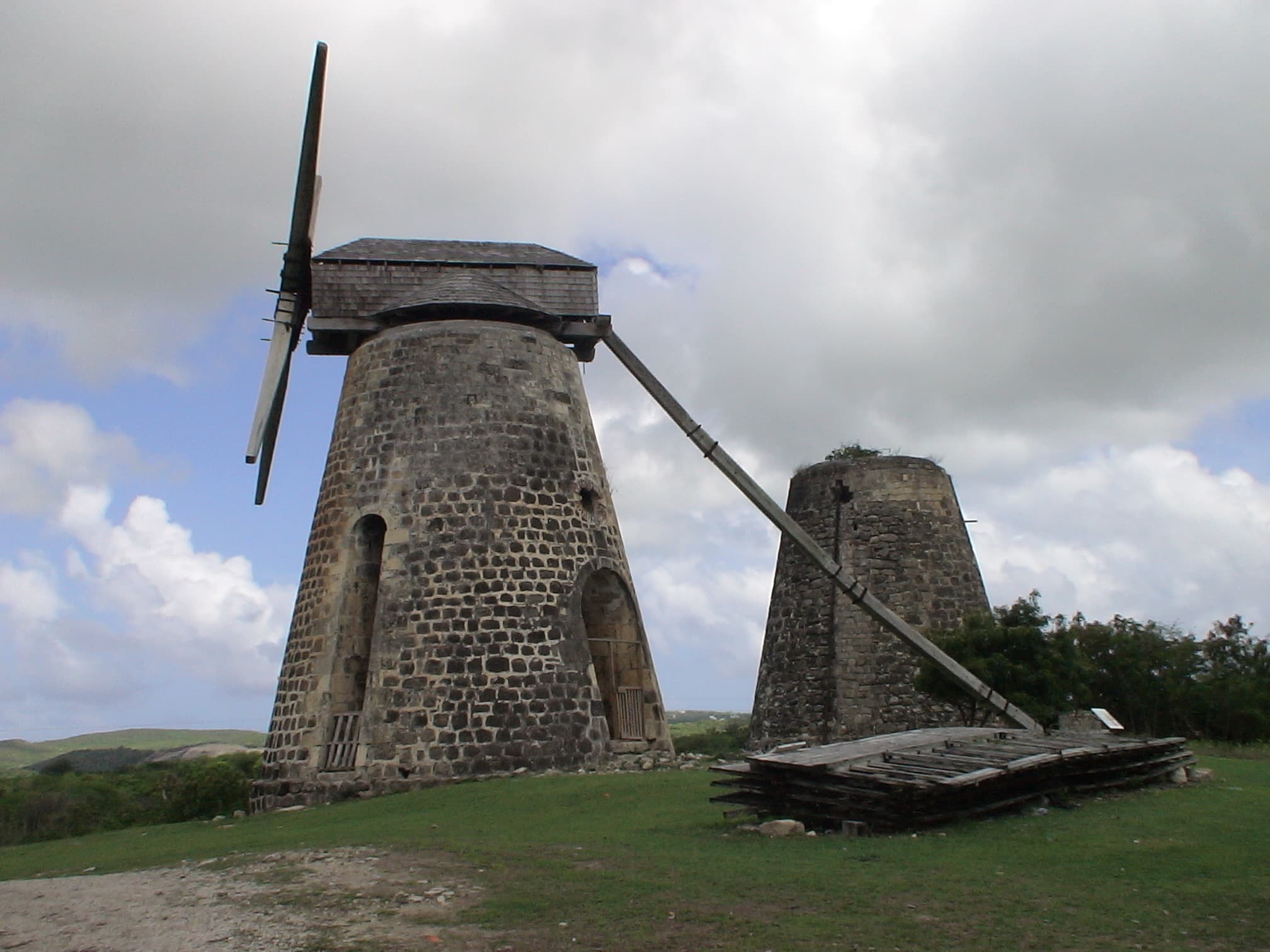
Antigua's first full-scale sugar plantation, with a restored working windmill and a visitor centre on its history.
Photo: Ragingwhitebuffalo, public domain, via Wikimedia Commons
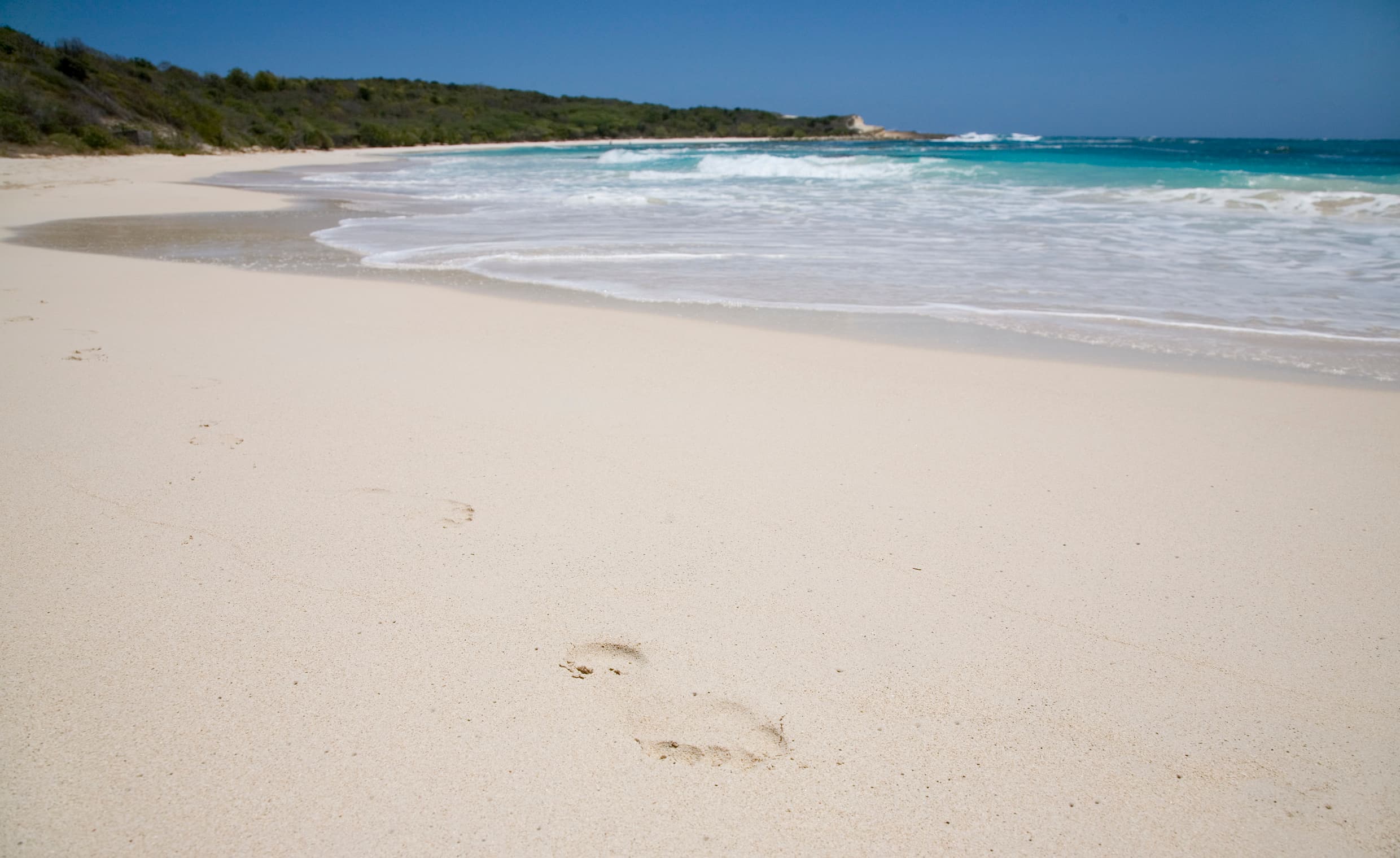
Half Moon Bay
A long, crescent-shaped beach on the southeastern coast: calmer water at one end, real surf at the other.
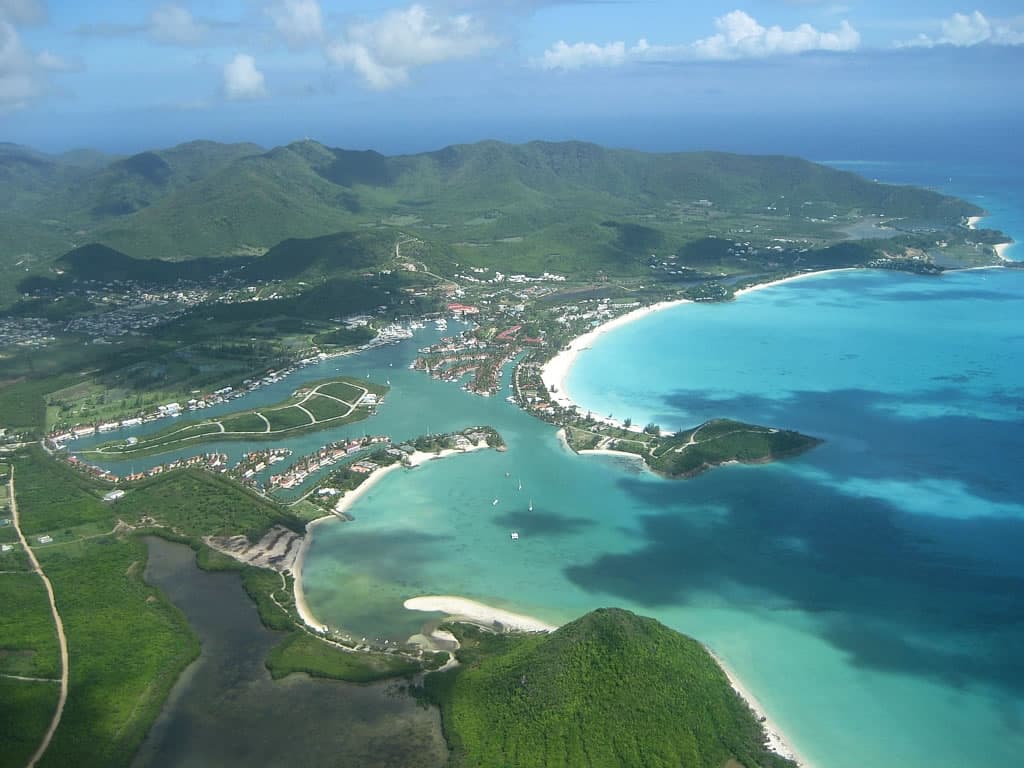
Jolly Beach & Jolly Harbour
A popular white-sand beach next to a marina and residential complex with restaurants, shops and water sports.
Stingray City
Shallow, clear water off Seaton's Village where visitors can wade in and interact with southern stingrays.
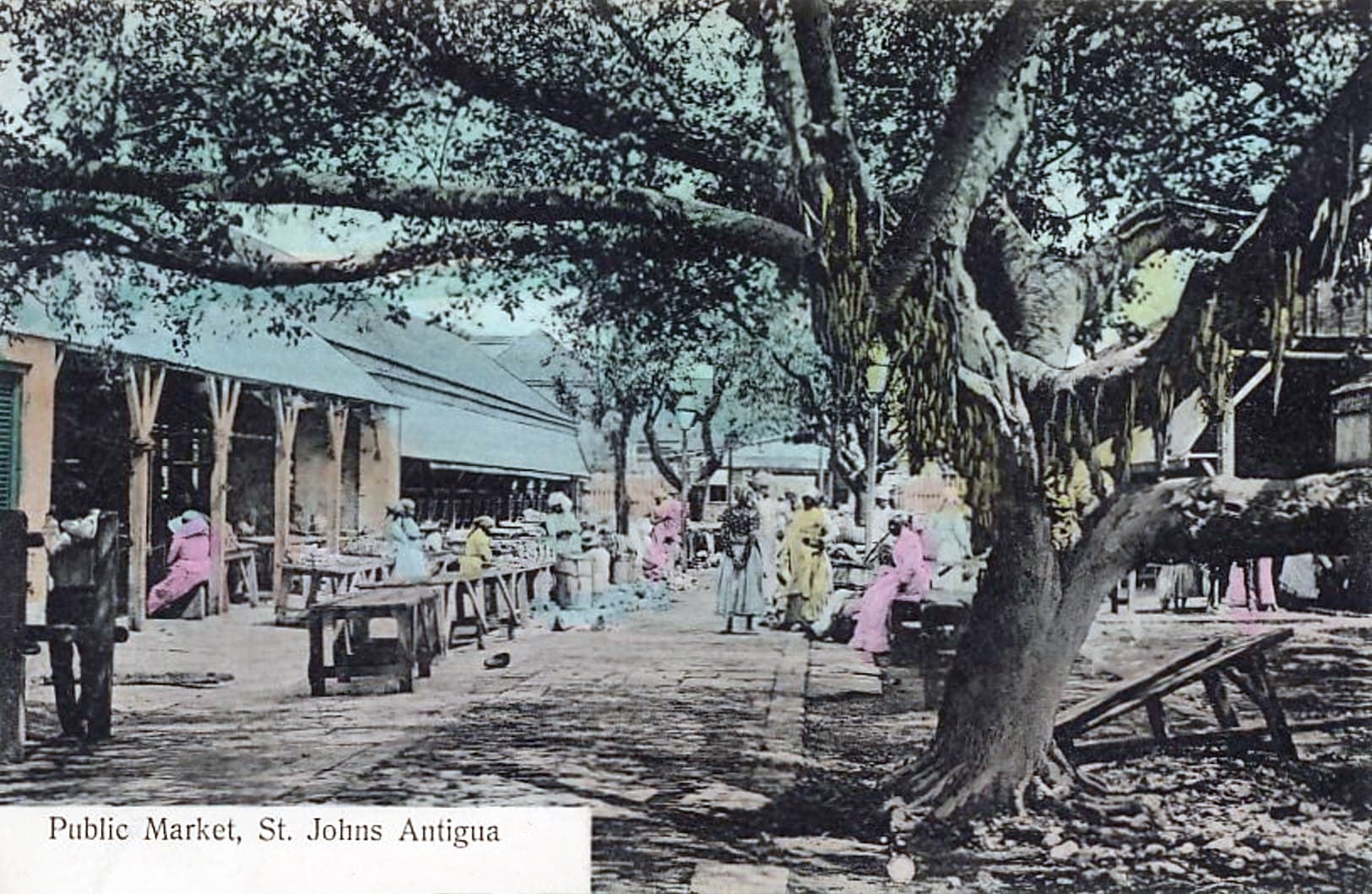
St. John's Public Market
The capital's market, liveliest on Saturdays, for local produce, spices and street food.
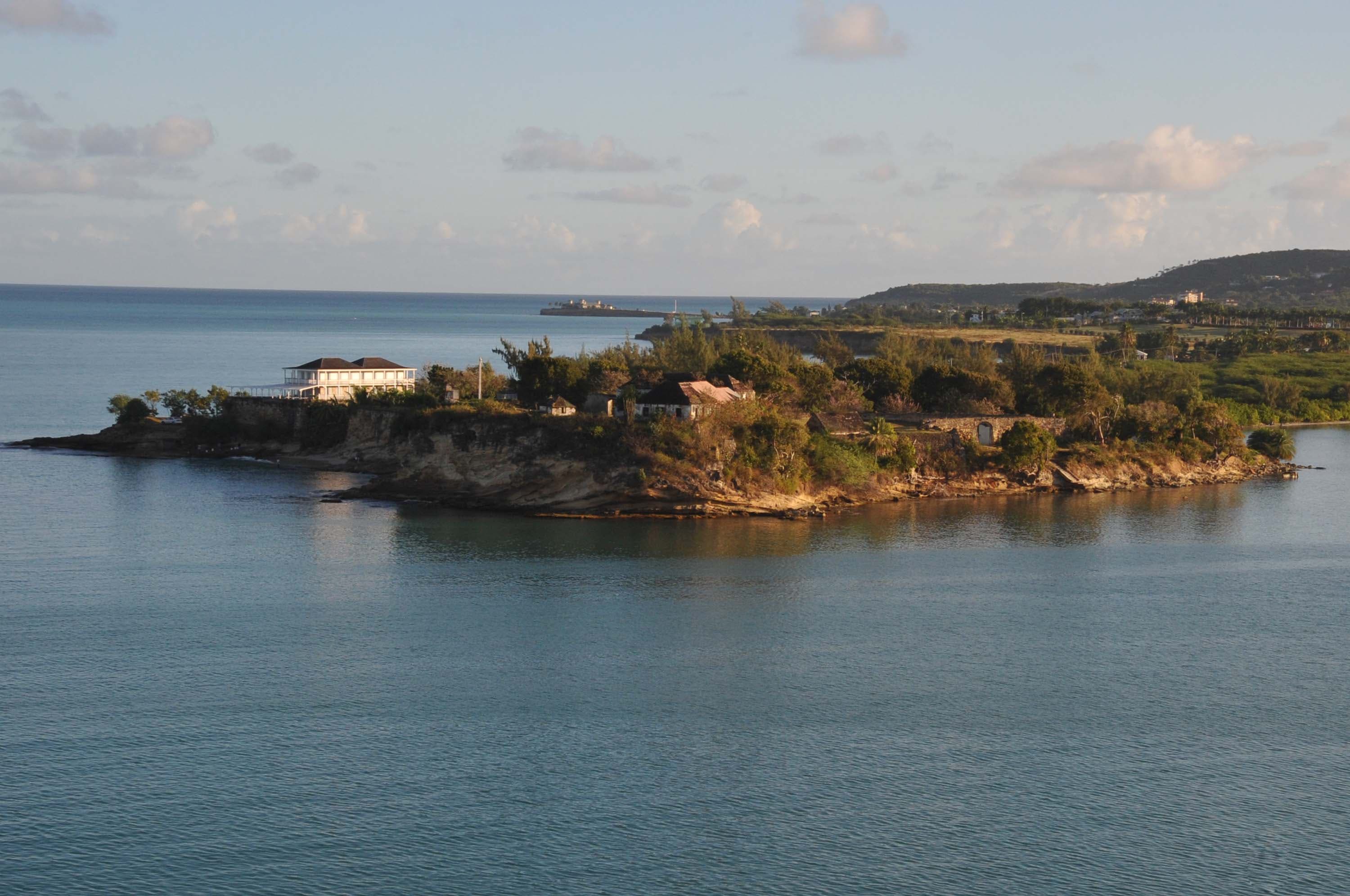
Fort James & Fort Barrington
Two 18th-century forts guarding either side of St. John's Harbour, both an easy walk with coastal views.
Photo: Jerrye and Roy Klotz, MD, CC BY-SA 3.0, via Wikimedia Commons
Frigate Bird Sanctuary, Barbuda
The largest frigate bird colony in the Western Hemisphere, reached by a boat trip through Codrington Lagoon's mangroves.
Barbuda's pink sand beach
An 11-mile, largely secluded beach tinted pink by crushed coral and shell. Its southern stretch is also known as Princess Diana Beach, renamed in 2011 after the beach she used to visit.
Experiences to have
Antigua Sailing Week
Held in late April, one of the world's premier yacht racing regattas (founded 1967), with shoreside parties every night of racing.
Antigua Carnival
Late July into early August: calypso and soca competitions building to a Carnival Monday and Tuesday parade.
Sunday sunset at Shirley Heights
Steel pan and reggae over English Harbour as the sun goes down: a weekly institution, not just a tourist event.
Catamaran and snorkelling day sail
Half- and full-day boat trips along the south coast, usually with snorkelling stops over reefs and old wrecks.
Rainforest zipline canopy tour
A zipline and rope course through the rainforest at Fig Tree Drive on the south-west coast.
Day trip to Barbuda
Combine the Frigate Bird Sanctuary with the pink sand beaches on the quieter sister island.
Local dishes to try
Pepperpot and fungee
Widely cited as Antigua and Barbuda's national dish: a hearty stew (traditionally with spinach, eggplant, peas and meat) served with fungee, a cornmeal-and-okra side similar to polenta.
Saltfish
Salt-cured cod cooked down with garlic, tomato, pepper and onion: a weekend, especially Sunday, favourite.
Goat water
A spiced goat stew enjoyed across the Leeward Islands (it's especially associated with neighbouring Montserrat, where it's the national dish, but it's a well-loved weekend dish in Antigua too).
Fresh seafood
Grilled lobster, snapper and conch, and "fish and bakes" from beachside stalls and restaurants.
Best places to eat
Sheer RocksAntigua, near English Harbour
Cliff-front dining with plunge pools and a Mediterranean-leaning menu.
Cecilia's High Point CafeDutchman's Bay, Antigua
A long-standing favourite overlooking Dutchman's Bay, with a French-influenced, locally-sourced menu.
Catherine's CafePigeon Point Beach, English Harbour
A beachfront French-inspired spot known for Saturday live music and Wednesday jazz nights.
Beach LimerzFort James Beach
A family-run beach bar for local dishes (curry conch, bake and saltfish, curry goat) with live steel pan.
TrappasEnglish Harbour
A long-running, casual spot for Caribbean and seafood dishes, popular with the yachting crowd.
Incanto Restaurant & LoungeNear Nelson's Dockyard
Italian menu: risotto, gnocchi and lobster linguine.
Fat Cat CoffeeAntigua
One of Antigua's most consistently well-regarded coffee houses.
Nobu BarbudaPrincess Diana Beach, Barbuda
The Caribbean's only Nobu: Japanese-Peruvian fusion on a remote beach, reachable by boat or helicopter. A splurge, not an everyday spot.
Uncle Roddy's Beach Bar & GrillCoral Group Bay, Barbuda
A local institution for grilled Barbudan lobster, fish and conch right on the beach. Reserve a day ahead.
Anthem, motto and pledge
National motto
“Each Endeavouring, All Achieving”
National anthem
“Fair Antigua, We Salute Thee”, words by Novelle Hamilton Richards, music by Walter Garnet Picart Chambers. Adopted 1967 (retained as the national anthem at independence in 1981).
Antigua and Barbuda: frequently asked questions
How do I move to Antigua and Barbuda as a CARICOM national?
The CARICOM Skills Certificate (CSME) is the main route to live and work in Antigua and Barbuda without a work permit. See the CSME steps for Antigua and Barbuda for the full application process.
Do all CARICOM nationals need the certificate, or is there full free movement?
No. Four CARICOM countries have gone further than the standard CSME certificate and implemented full free movement between themselves: Barbados, Belize, Dominica, St. Vincent and the Grenadines. Nationals of those four can work in each other's countries without a certificate. Everyone else, including anyone moving to or from Antigua and Barbuda, still applies for the CSME Skills Certificate.
How much does it cost to visit Antigua and Barbuda?
Antigua is mid-to-upper range for the Eastern Caribbean. A budget traveller can expect roughly US$100–150/day (guesthouse, local food, limited tours); mid-range roughly US$200–350/day (a 3–4 star hotel or Airbnb, a mix of local and nicer restaurants, a few tours); luxury US$500+/day (resort or boutique hotel, fine dining, private tours). For a longer stay, see the cost-of-living section above for typical monthly rent.
What is the currency and do I need cash?
The currency is the Eastern Caribbean dollar (XCD), fixed at EC$2.70 to US$1. US dollars are widely accepted in tourist areas, though change may come back in XCD. Major cards work in most hotels, restaurants and larger shops, but smaller vendors and markets often prefer cash. ATMs are available in St. John's, major resorts and some villages; let your bank know you're travelling first.
Do I need a visa to visit as a tourist?
Many nationalities, including the US, UK, Canada, the EU and CARICOM, can enter visa-free for short stays, usually up to 30–90 days, with a valid passport and proof of onward travel. Always confirm current rules with the Antigua and Barbuda Immigration Department or your nearest embassy before travelling.
How do I get around the island?
Taxis are readily available at the airport, cruise port and major hotels; agree the fare in advance. Rental cars are available in St. John's and at the airport; driving is on the left, and roads are generally good but narrow and hilly in places. Local buses connect St. John's with many villages cheaply, though schedules are informal. Water taxis and ferries run for beach hops and trips to Barbuda.
What local food should I try?
Fungee and pepperpot is the national dish: a cornmeal-and-okra side (fungee) with a spiced stew (pepperpot) of spinach, eggplant, peas and meat. Also look for saltfish (a Sunday favourite), goat water, fresh grilled fish, lobster and conch, and bakes with saltfish or cheese as a street snack. Try the St. John's Public Market or the beach bars around English Harbour and Jolly Harbour.
Is Antigua and Barbuda safe for tourists?
Most visits are trouble-free. Use normal precautions: don't leave valuables in cars, avoid poorly lit areas at night, and keep an eye on belongings at the beach. Petty theft is the main risk, especially in crowded areas. Check your government's current travel advisory before you go.
What is the best time to visit?
December to April is the dry, sunny, busiest and most expensive stretch. May–June and November are shoulder season: good weather, fewer crowds. July–October is the rainier, cheaper, hurricane-season stretch. For reliable sun, aim for December–April; for a better deal with decent weather, May–June or November.
What should I pack?
Light, breathable clothing, swimwear, sandals, a hat and sunglasses, plus sunscreen and insect repellent. A light jacket or sweater helps for air-conditioned spaces and breezy boat trips. Bring something a little more modest if you'll visit a church or formal venue, and a rain jacket or umbrella if travelling in the wetter months.
Any cultural tips I should know?
A friendly "good morning" or "good afternoon" before asking a question is expected and appreciated. Dress is generally casual, but modest attire is expected in churches and some villages. Tipping 10–15% in restaurants is standard if a service charge isn't already included, and small tips for taxi drivers and tour guides are welcome. Sunday is traditionally quiet, with some shops and services on reduced hours.
Thinking about moving to Antigua and Barbuda?
Let us help you plan the next step. Get a personalised document plan, estimated timeline and practical next steps for your destination.
Last reviewed August 2026. Cost of living figures, rents, fees and office details change, and the figures here are drawn from the named sources on this page rather than being guaranteed prices. Confirm anything you are relying on before you act on it.