Moving to Guyana
Mainland South America's only English-speaking country: a vast, largely untouched interior of rainforest, savannah and waterfalls, transformed by a recent oil boom.
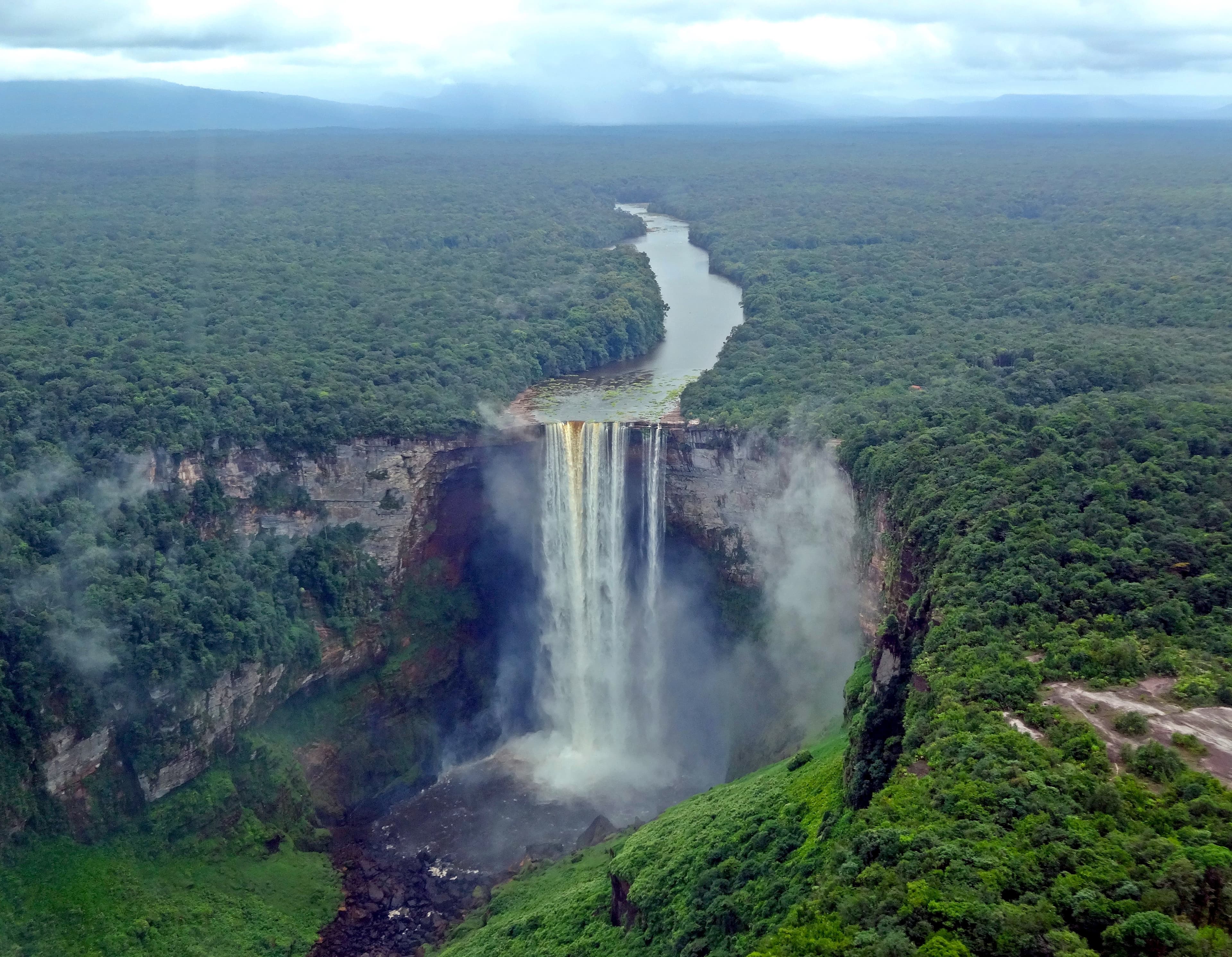
Guyana is the odd one out geographically among CARICOM's island states: mainland South America, over 80% covered in rainforest, and by far the largest country in the group at more than 200,000 km². Since offshore oil production began in 2019, its economy has grown faster than almost any country on Earth, transforming Georgetown's real estate market and cost of living in the space of a few years. Away from the capital, most of the country is still Amerindian villages, savannah ranches and unbroken forest.
Capital
Georgetown
Population
1,025,334 at end of 2025 (Guyana passed 1 million people for the first time, up from 956,044 a year earlier)(Guyana Bureau of Statistics (announced July 2026, World Population Day))
Area
≈214,970 km² (by far the largest CARICOM member, over 80% of it rainforest)
Independence
26 May 1966, from the United Kingdom. Became a Cooperative Republic on 23 February 1970.
Independence Day falls on 26 May each year. Next marked in 253 days, 61 years on.
Coordinates
6.80°N, 58.16°W(view on Google Maps)
Languages
English (official), Guyanese Creole, widely spoken
Currency
Guyanese dollar (GYD), floating since 2015, trading at roughly GY$209 to US$1
Median age
≈27 years, one of the younger populations in CARICOM
Ethnic composition
East Indian ≈40%, African descent ≈29%, mixed ≈20%, Amerindian ≈10.5%, other ≈0.5%(CIA World Factbook (2012 census, most recent available))
Government
Cooperative Republic. Unlike several smaller CARICOM states, Guyana's President is an executive head of state and head of government combined (since the 1980 constitution), not a ceremonial office.
Where people live
Most of the population lives on a narrow coastal strip, with Georgetown the largest city by far. The vast interior (savannah, rainforest, and the Rupununi region bordering Brazil) is sparsely populated, largely by Amerindian communities.
Cost of living
Rent, 1BR, ordinary local market
≈US$300–600/month in Georgetown suburbs (Providence, Diamond, East Bank Demerara) or other towns (Linden, New Amsterdam)
Rent, 1BR, marina / tourist areas
≈US$400–900/month for a standard central Georgetown unit, but specific reported cases show the top end running far higher; see notes
Groceries, one person
≈US$150–400/month, wide because local produce is very cheap but imports are not
Utilities, small apartment
≈US$60–170/month for electricity, water and cooking gas combined (more with regular AC use)
Inexpensive restaurant meal
≈US$3–15
Mid-range dinner for two
≈US$30–80
Modest monthly budget, single person
≈US$1,000–1,400/month all-in
Comfortable monthly budget, single person
≈US$1,400–2,500/month all-in
Cost of living here needs an asterisk: Guyana's economy has grown faster than almost anywhere on Earth since offshore oil production started in 2019, and Georgetown rents have risen dramatically as a result. One widely reported example saw a property's rent rise over 165% in 2024 alone, and property values are up roughly 500% in five years. That surge is concentrated in oil-industry-driven premium listings; the ranges above reflect more typical local costs, but expect newer, furnished or secure buildings in central Georgetown to run well above them. A premium lifestyle (luxury rental in central Georgetown or an upscale suburb, frequent dining) can run US$2,500–4,000+/month. Minibus and taxi fares in Georgetown run roughly US$0.90–2.20 per ride.
Sources: Relocation and expat cost-of-living guides, and real-estate reporting on the oil boom, as of August 2026. Cost-of-living figures are estimates that shift with the season and the neighbourhood; treat them as a starting point, not a quote.
Moving to Guyana
Visas, healthcare, taxes and where people settle, for anyone actually planning the move.
Visa and work permit
CARICOM nationals need the CSME Skills Certificate to live and work in Guyana without a work permit; see the CSME steps for Guyana for the process. Visitors from North America, the UK, Ireland and much of Western Europe typically get a 90-day visa-free stay, but working requires a work permit sponsored by a Guyanese employer through the Ministry of Home Affairs, usually approved within one to four weeks for a fee of roughly US$140, and valid for up to three years at a time.
Permanent residency
Permanent residence generally becomes available after somewhere around 3 to 5 years of continuous, lawful residence, alongside proof of financial stability, a clean police record and evidence of ties to the country. The exact timeline is described a little differently across sources, so confirm current requirements with the Ministry of Home Affairs before planning around them.
Healthcare
Public healthcare is free or low-cost but often short-staffed and short on supplies. A private clinic consultation runs roughly US$24-70, more for a specialist or an emergency, and anything serious is often better handled outside the country, in Trinidad, Barbados or the US, which is why international health insurance with medical evacuation cover is standard for movers here.
Taxes
Guyana taxes residents on worldwide income. As of 2026, the tax-free personal allowance is GY$1,680,000 a year (or one-third of income, whichever is greater), with a 25% rate on chargeable income up to GY$3,360,000 a year and 35% above that. The Guyana Revenue Authority updates these thresholds periodically, most recently at the start of 2026.
Where people settle
Bel Air and Queenstown
Established, well-off Georgetown neighbourhoods with a strong diplomatic and professional presence.
Lamaha Gardens
A slightly elevated Georgetown neighbourhood valued for coping better with heavy rain than lower-lying parts of the city.
Subryanville and Kitty
Waterfront Georgetown neighbourhoods with a younger professional crowd.
Prashad Nagar and Campbellville
Convenient, mid-to-upper income Georgetown neighbourhoods.
East Coast Demerara (Versailles, Republic Park, Continental Park)
Gated compounds just outside the city, popular with oil-and-gas sector families.
Linden and New Amsterdam
Secondary towns, Linden built around bauxite mining and New Amsterdam a river port with colonial-era architecture, with far fewer movers and less infrastructure built out for newcomers.
Georgetown's oil-boom-driven rents have climbed sharply in the neighbourhoods movers favour most, so treat any rental figure as a starting point and check current listings rather than relying on older estimates.
Sources: 592Hub and Jarnias Cyril relocation guides and Guyana Revenue Authority (official income tax rates), as of August 2026. Visa, residency and tax rules change: confirm current requirements with the relevant government agency before acting on them.
We can handle this for you
Visa or CSME paperwork, banking, housing, flights and everything else needed for a successful move to Guyana: this is exactly what we do every day. Reach out and we’ll walk you through every step.
Places to see
Kaieteur Falls
One of the world's most powerful single-drop waterfalls, roughly four times the height of Niagara. No road reaches it; visitors fly in on a small plane over unbroken rainforest.
Photo: Amanda (amanderson), CC BY 2.0, via Wikimedia Commons
Iwokrama Rainforest
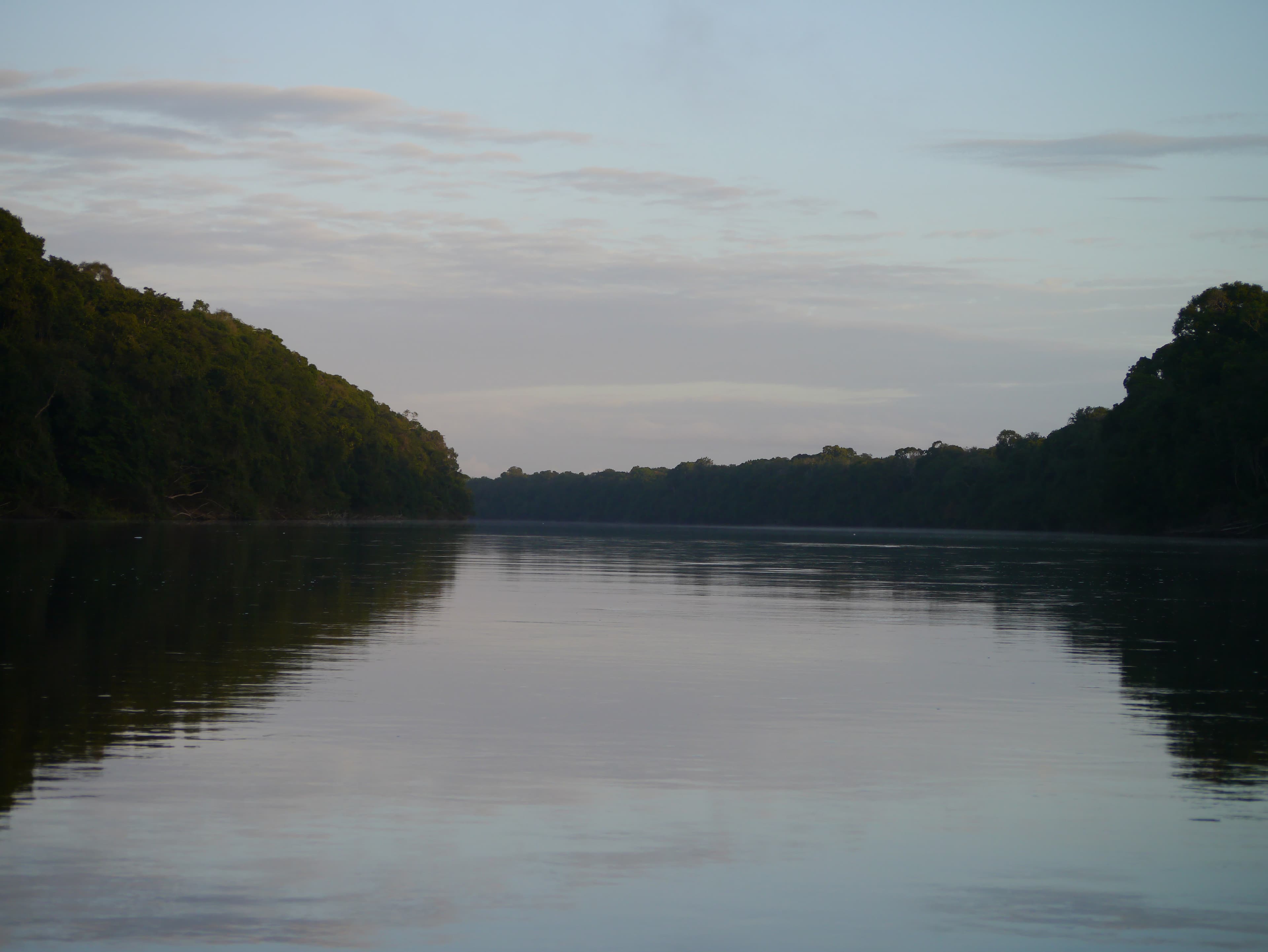
A protected wilderness known for jaguars, giant river otters and over 500 bird species, with a high canopy walkway through the treetops.
Rupununi Savannah
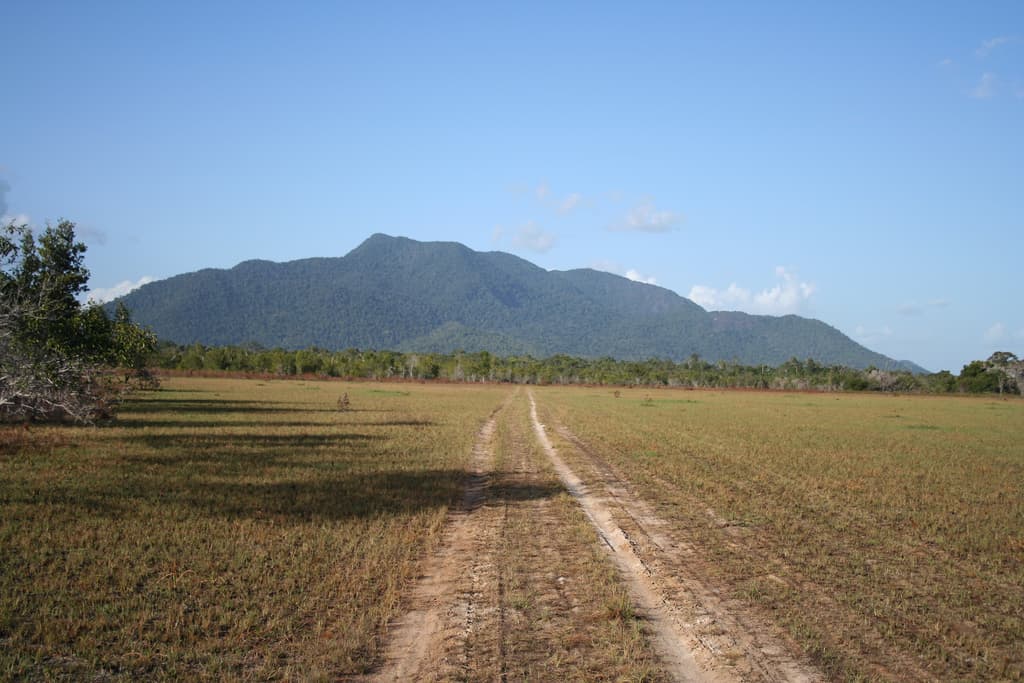
Open savannah and working cattle ranches near the Brazilian border, for horseback riding, river safaris and wildlife tracking rather than beaches.
Georgetown's colonial architecture & Stabroek Market
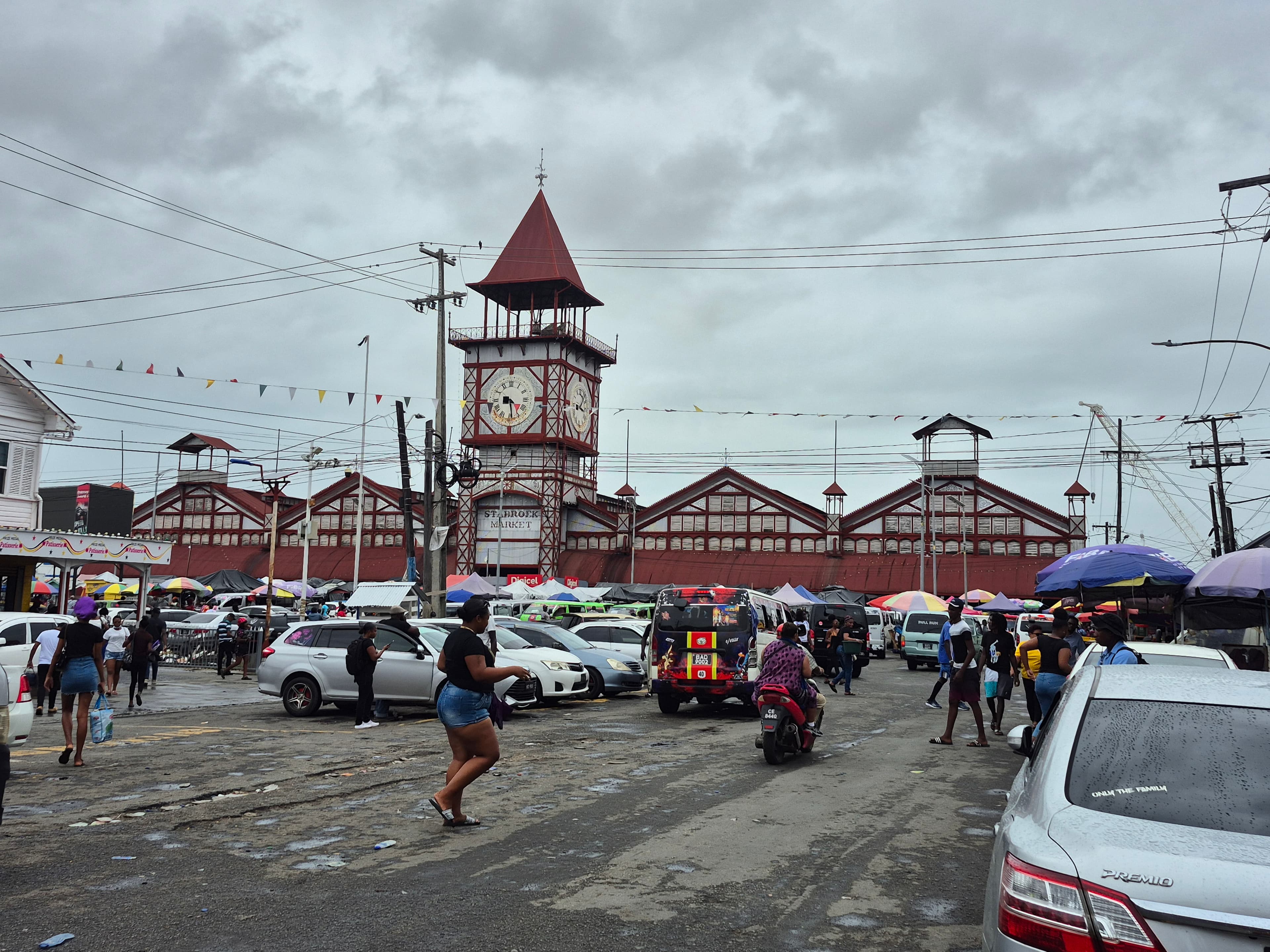
18th- and 19th-century wooden buildings and the seawall protecting the below-sea-level capital, plus Stabroek Market, a landmark iron-and-steel market building with a clock tower, open since 1881.
Orinduik Falls
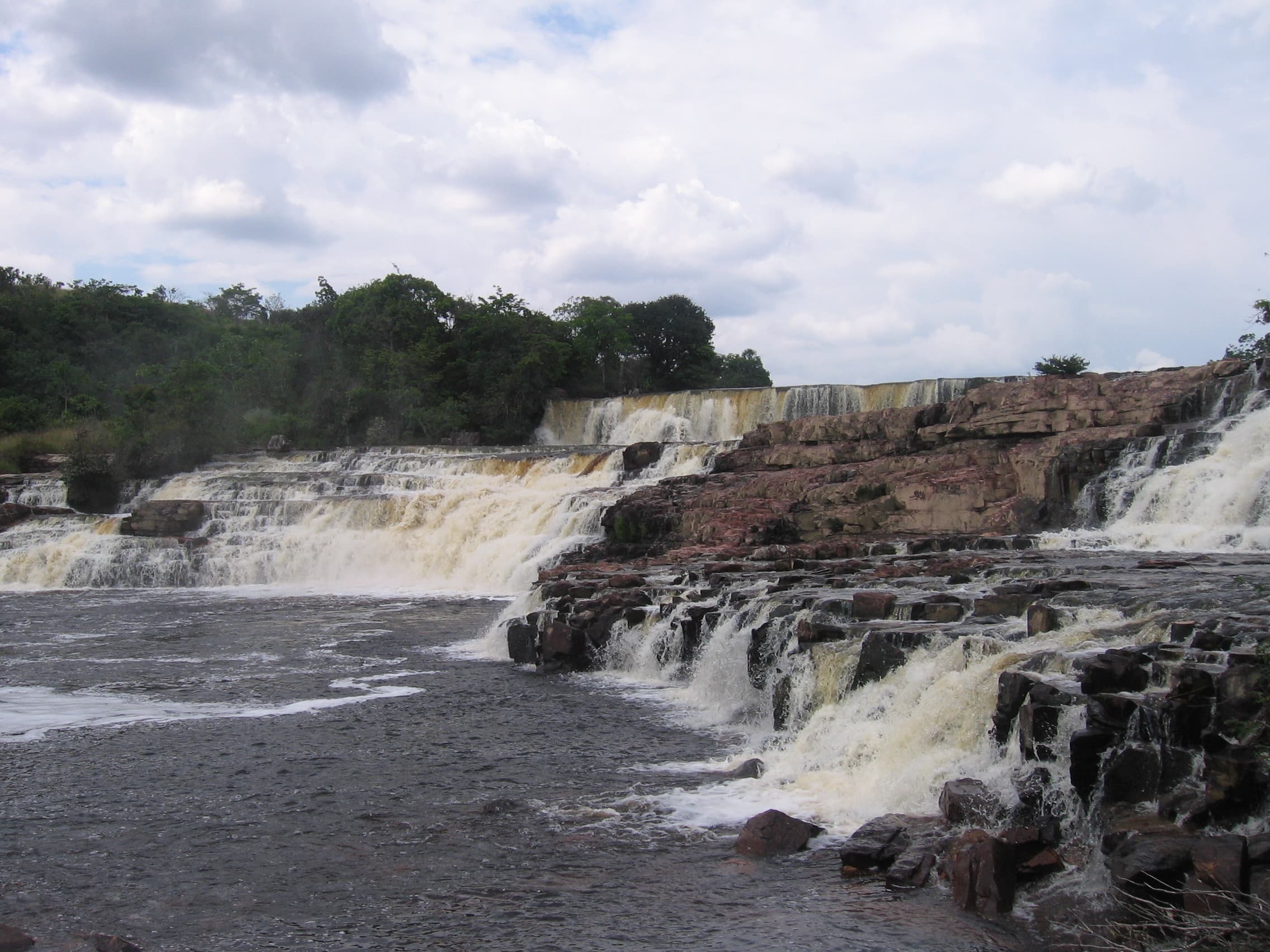
A wide, tiered waterfall on the Ireng River bordering Brazil, with warm, shallow pools over reddish jasper stone terraces: less dramatic in height than Kaieteur, more swimmable.
Shell Beach
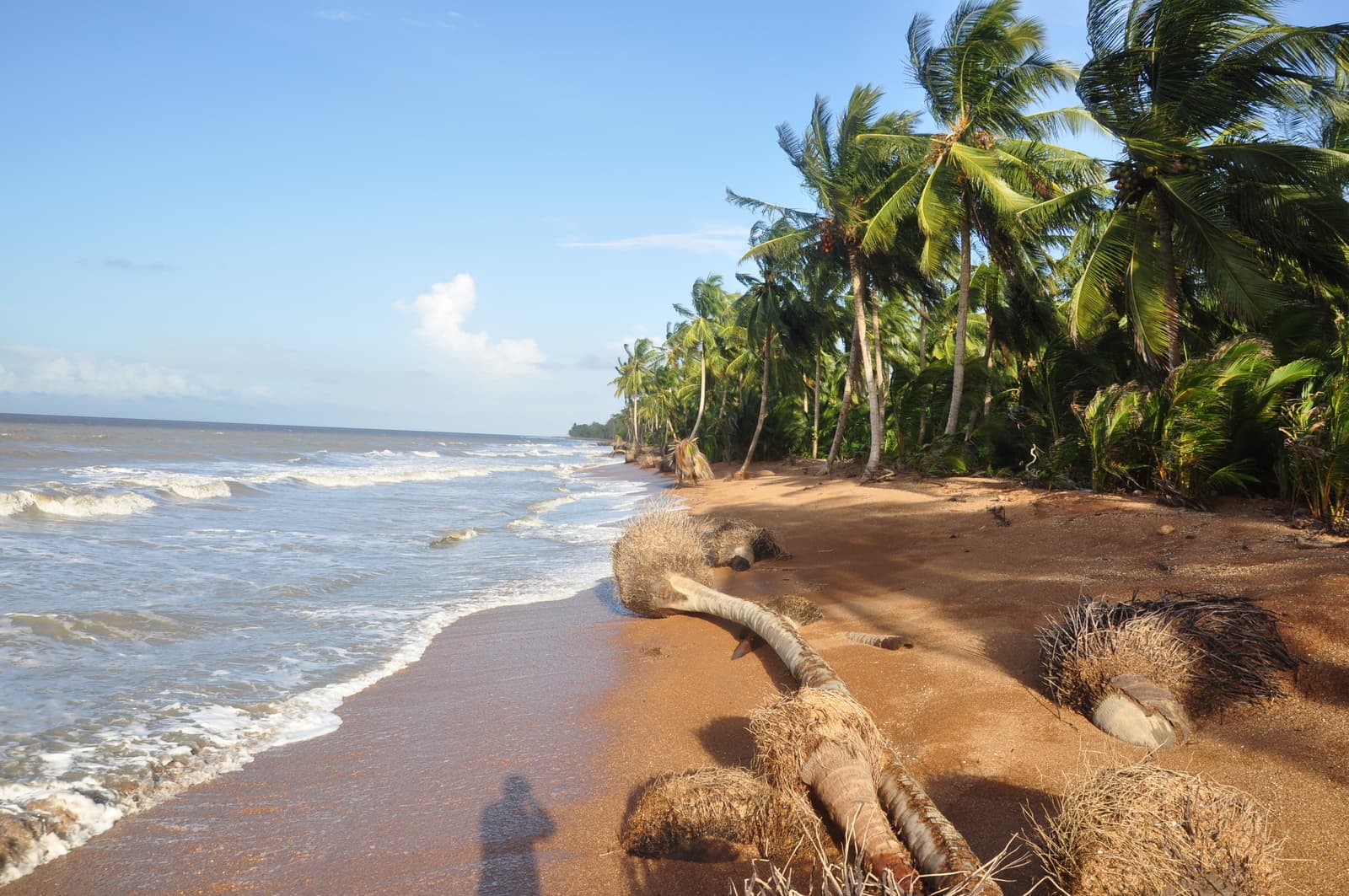
One of only four major nesting sites in the world for the endangered leatherback sea turtle, on the remote north-west coast, with nesting season running March to August.
Photo: Marco Farouk Basir, CC BY-SA 3.0, via Wikimedia Commons
Experiences to have
Flying to Kaieteur Falls
A small-plane flight over rainforest canopy to reach the falls, where the journey is as much the experience as the waterfall itself.
The Iwokrama canopy walkway
Suspension bridges up to 30 metres above the forest floor, for a rainforest view most visitors never get.
A ranch stay in the Rupununi
Days built around horseback riding, wildlife tracking and river trips, staying at working cattle ranches or community-run lodges.
Birdwatching
Guyana is one of the world's most serious birding destinations, with harpy eagles, macaws and hundreds of other species in largely untouched habitat.
Turtle watching at Shell Beach
Night visits during nesting season (March–August) to see leatherback, hawksbill, olive ridley and green turtles come ashore.
Local dishes to try
Pepperpot
Guyana's national dish: meat slow-cooked in cassareep, the reduced, bittersweet juice of cassava root, traditionally served at Christmas.
Cook-up rice
An everyday one-pot dish of rice and split peas cooked with meat and coconut milk, brought by enslaved West Africans and similar to Ghanaian waakye.
Metemgee
Ground provisions (cassava, eddoe, plantain, yam) cooked in coconut milk with dumplings and fish or meat.
Roti and curry
A strong Indo-Guyanese influence on everyday eating, reflecting the country's East Indian plurality: curried chicken, goat or vegetables wrapped in roti.
Best places to eat
Backyard CaféGeorgetown
Chef Delven Adams's take on Guyanese cuisine, named to TIME Magazine's World's Greatest Places 2026 list.
Aagman Indian RestaurantGeorgetown
A well-regarded Indian restaurant reflecting Guyana's large Indo-Guyanese population; the paneer tikka masala is a standout.
Govinda's Higher TasteGeorgetown
Georgetown's first all-vegetarian restaurant.
Anthem, motto and pledge
National motto
“One People, One Nation, One Destiny”
National anthem
“Dear Land of Guyana, of Rivers and Plains”, words by Rev. Archibald Leonard Luker, music by Robert Cyril Gladstone Potter. Adopted 1966, at independence.
Listen / read more →Guyana: frequently asked questions
How do I move to Guyana as a CARICOM national?
The CARICOM Skills Certificate (CSME) is the main route to live and work in Guyana without a work permit. See the CSME steps for Guyana for the full application process.
Do all CARICOM nationals need the certificate, or is there full free movement?
No. Four CARICOM countries have gone further than the standard CSME certificate and implemented full free movement between themselves: Barbados, Belize, Dominica, St. Vincent and the Grenadines. Nationals of those four can work in each other's countries without a certificate. Everyone else, including anyone moving to or from Guyana, still applies for the CSME Skills Certificate.
How much does it cost to visit Guyana?
Guyana is affordable by regional standards, especially outside Georgetown; the oil boom has pushed up some prices in the capital, but overall costs remain low compared with many Caribbean islands. A budget traveller can expect roughly US$60–100/day (guesthouse or budget hotel, local food, public transport, few tours); mid-range roughly US$120–220/day (a comfortable hotel or Airbnb, a mix of local and nicer restaurants, several guided tours); luxury US$300+/day (an upscale Georgetown hotel or interior eco-lodge, private guides, fine dining). For a longer stay, see the cost-of-living section above for typical monthly rent.
What is the currency and do I need cash?
The currency is the Guyanese dollar (GYD), which floats, so exchange rates move; US dollars are often quoted informally. USD is widely accepted in Georgetown's business and tourist areas, but smaller towns and rural spots usually prefer GYD. Major cards work in many hotels, larger restaurants and some shops in Georgetown, but cash is standard outside the capital and for tours. ATMs are available in Georgetown and a few larger towns, but limited or nonexistent in the interior, so carry enough cash before heading inland.
Do I need a visa to visit as a tourist?
Many nationalities, including the US, UK, Canada, the EU and CARICOM, can enter visa-free or with a visa on arrival for short stays, often up to 30–90 days, though rules vary by nationality and some passport holders must arrange a visa in advance. You'll need a passport valid at least 6 months beyond your stay and proof of onward travel. Always confirm current rules with Guyana's Passport, Immigration and Citizenship Office or your nearest embassy before travelling.
How do I get around the country?
Minibuses and taxis are common in and around Georgetown and between major towns, inexpensive but often crowded. Small domestic airlines link Georgetown's Cheddi Jagan International Airport with interior airstrips like Kaieteur, Lethem and Annai, essential for reaching remote eco-lodges and the Rupununi. River boats reach many interior communities and eco-lodges, usually arranged by a tour operator. Rental cars are available in Georgetown; driving is on the left, and a 4x4 is recommended for rougher interior roads. Guided, organised tours are the norm for Kaieteur Falls, Iwokrama and Rupununi safaris, with transport, guides and permits usually included.
What local food should I try?
Cook-up rice (a one-pot rice with beans or peas, meat, coconut milk and spices), pepperpot (a slow-cooked, Amerindian-origin stew with cassareep), roti with curried chicken, goat or shrimp, metemgee (a hearty stew of root crops, coconut milk and salted meat or fish), and fresh river or sea fish, grilled or curried. Try the local cook-shops and street stalls in Georgetown, small restaurants in Linden and New Amsterdam, and the interior eco-lodges, which usually serve traditional meals.
Is Guyana safe for tourists?
Guyana can be visited safely with proper planning, but it has higher crime rates in some urban areas, particularly parts of Georgetown. Main hotels, organised tours and interior eco-lodges are generally fine with normal precautions: avoid walking alone at night in unfamiliar urban areas, don't flash valuables, and use reputable tour operators and transport. In the interior, safety is more about logistics and health, guides, boats, wildlife, medical access, than crime. Check your government's current travel advisory and talk to your tour operator about current conditions.
What is the best time to visit?
Guyana has two dry seasons and two wet seasons rather than the single Caribbean dry/hurricane pattern. The long dry season (August–November) is often considered best overall for interior travel and wildlife; the short dry season (February–April) is also good, with more roads and trails accessible. May–July and December–January are wetter, and some roads, trails or lodges may be harder to reach or reduce operations. For Kaieteur, Iwokrama and Rupununi safaris, August–November and February–April are usually best.
What should I pack?
Light, breathable clothing, with long sleeves and trousers for jungle areas to help with insects and sun. Bring sturdy, closed-toe shoes for hiking and sandals for town or riverside, plus strong insect repellent, sunscreen, a hat and sunglasses. A rain jacket or poncho and quick-dry clothes help for boat trips and rainforest. Pack a basic first-aid kit, your personal medications and hand sanitiser, since medical facilities are limited in the interior; for Kaieteur or serious hikes, add lightweight long trousers, moisture-wicking shirts and a small daypack.
Any cultural tips I should know?
Guyana is highly multicultural: Indo-Guyanese, Afro-Guyanese, Indigenous, mixed, Chinese, Portuguese, Syrian-Lebanese and more, so respect local customs and religious practices. English is official, but you'll hear Guyanese Creole, Hindi, Urdu, Chinese and Indigenous languages in daily life. Tipping 10% in restaurants is standard if a service charge isn't already included, with small tips for guides, boat captains and drivers appreciated. In the interior, life is slower and community-oriented; be patient and respectful, and follow your guide's advice on behaviour in villages and protected areas.
Thinking about moving to Guyana?
Let us help you plan the next step. Get a personalised document plan, estimated timeline and practical next steps for your destination.
Last reviewed August 2026. Cost of living figures, rents, fees and office details change, and the figures here are drawn from the named sources on this page rather than being guaranteed prices. Confirm anything you are relying on before you act on it.