Moving to Trinidad and Tobago
The most populous, most industrialised CARICOM state, and home of the world's biggest Carnival, calypso, soca and steelpan.
Trinidad and Tobago is a twin-island republic at the southern tip of the Caribbean chain, just off Venezuela. Trinidad is the larger, more urban and industrial island: an oil and gas economy, the region's most ethnically diverse population, and the home of Carnival, calypso, soca and the steelpan (invented here). Tobago, a short flight or ferry away, is smaller, quieter and built around beaches, reef and rainforest rather than industry.
Capital
Port of Spain, on Trinidad
Population
≈1,410,000 (CIA World Factbook, 2025 estimate) to ≈1,513,000 (UN World Population Prospects via Worldometer, 2026 estimate)(CIA World Factbook / Worldometer)
Area
≈5,128 km² total: Trinidad ≈4,768 km², Tobago ≈300 km²
Independence
31 August 1962, from the United Kingdom; became a republic within the Commonwealth in 1976
Independence Day falls on 31 August each year. Next marked in 350 days, 65 years on.
Coordinates
10.69°N, 61.22°W(view on Google Maps)
Languages
English (official), Trinidadian and Tobagonian English Creole (widely spoken); Trinidadian Hindustani and other heritage languages spoken by some communities
Currency
Trinidad and Tobago dollar (TTD)
Median age
≈39.1 years (2025 estimate)
Age structure
0–14 years: ≈18.7%. 15–64 years: ≈67.2%. 65 years and over: ≈14.1%.
Ethnic composition
East Indian descent ≈35.4%, African descent ≈34.2%, mixed (other) ≈15.3%, mixed African/East Indian ≈7.7%, other ≈1.3%, unspecified ≈6.2%(2011 census)
Government
Parliamentary republic within the Commonwealth. A President is head of state; a Prime Minister heads the government.
Where people live
Most of the population lives on Trinidad, concentrated in and around Port of Spain and the east-west corridor through Chaguanas, San Fernando and Arima. Tobago has a much smaller, more dispersed population centred on Scarborough and the southwest coast around Crown Point.
Cost of living
Rent, 1BR, ordinary local market
≈US$295–665/month outside Port of Spain's city centre (Numbeo)
Rent, 1BR, marina / tourist areas
≈US$515–1,105/month in Port of Spain's city centre; Tobago's tourist zones (Crown Point, Canaan) run similarly high
Groceries, one person
≈US$220–400/month for basics; imported goods cost noticeably more than local produce
Utilities, small apartment
≈US$25–60/month for electricity without heavy AC, ≈US$60–120/month with regular AC use, plus roughly US$9–20/month water and US$5–15/month cooking gas
Inexpensive restaurant meal
≈US$3–8 (doubles, roti, a plate from a "cookshop")
Mid-range dinner for two
≈US$30–60, more at upscale Port of Spain or Tobago resort restaurants
Modest monthly budget, single person
≈US$1,200–1,800/month all-in
Comfortable monthly budget, single person
≈US$1,800–2,800/month all-in
Electricity is genuinely cheap here relative to the rest of the Caribbean: T&TEC's residential rate runs around US$0.05–0.06/kWh, among the lowest in the world, because natural gas (Trinidad produces its own) is priced to the utility well below international market rates. That's a real, durable cost-of-living advantage over the smaller islands, not just a marketing line. The main expenses are imported goods, private healthcare and car ownership. San Fernando, Chaguanas and Arima run cheaper than Port of Spain; Tobago's tourist areas run closer to Port of Spain prices.
Sources: Numbeo (Port of Spain), as of August 2026. Cost-of-living figures are estimates that shift with the season and the neighbourhood; treat them as a starting point, not a quote.
Moving to Trinidad and Tobago
Visas, healthcare, taxes and where people settle, for anyone actually planning the move.
Visa and work permit
CARICOM nationals need the CSME Skills Certificate to live and work in Trinidad and Tobago without a work permit; see the CSME steps for Trinidad and Tobago for the process. Citizens of the EU, UK, US and Canada, among others, can enter visa-free for up to 90 days, but taking up a job needs a work permit applied for through the TTBizLink platform, with the employer first showing no suitably qualified local candidate is available. A standard permit costs TTD 1,000 and can run for up to 3 years, though processing commonly takes 2 to 6 months, so it's worth starting the paperwork well ahead of any planned start date.
Permanent residency
Permanent residence is available after 5 years of continuous, legal residence in the country.
Healthcare
Public healthcare is free to all residents, with 5 regional hospitals and more than 100 health posts around the country. A private GP visit runs roughly TTD 300-600 and a specialist TTD 500-1,200; local health insurance plans typically cost TTD 2,000-4,000 a month.
Taxes
Trinidad and Tobago taxes residents (anyone present 183 days or more in a calendar year) on worldwide income, with a personal allowance of TTD 90,000 a year before tax applies, then a two-tier system: 25% on chargeable income up to TTD 1 million and 30% above that. There's no inheritance, gift or capital gains tax on property sales. VAT sits at 12.5%, and property tax runs roughly 1-3% depending on location.
Where people settle
Port of Spain and its suburbs (Maraval, St. Ann's, Cascade, Goodwood Park, Westmoorings)
The capital and its most established residential areas for movers, home to the International School of Port of Spain. Three-bedroom houses run roughly TTD 8,000-15,000/month.
Chaguanas
A fast-growing central town about 30 minutes from Port of Spain outside peak traffic. Three-bedroom houses run roughly TTD 6,000-10,000/month.
San Fernando
The southern economic centre, close to the island's oil and gas installations, with fewer international school options. Three-bedroom houses run roughly TTD 5,500-9,000/month.
Tobago (Crown Point and around)
A slower-paced, tourism-oriented island best known for attracting retirees. Two-bedroom houses run roughly TTD 4,000-6,000/month.
Sources: Expat.com and PwC Tax Summaries (Trinidad and Tobago), as of August 2026. Visa, residency and tax rules change: confirm current requirements with the relevant government agency before acting on them.
We can handle this for you
Visa or CSME paperwork, banking, housing, flights and everything else needed for a successful move to Trinidad and Tobago: this is exactly what we do every day. Reach out and we’ll walk you through every step.
Places to see
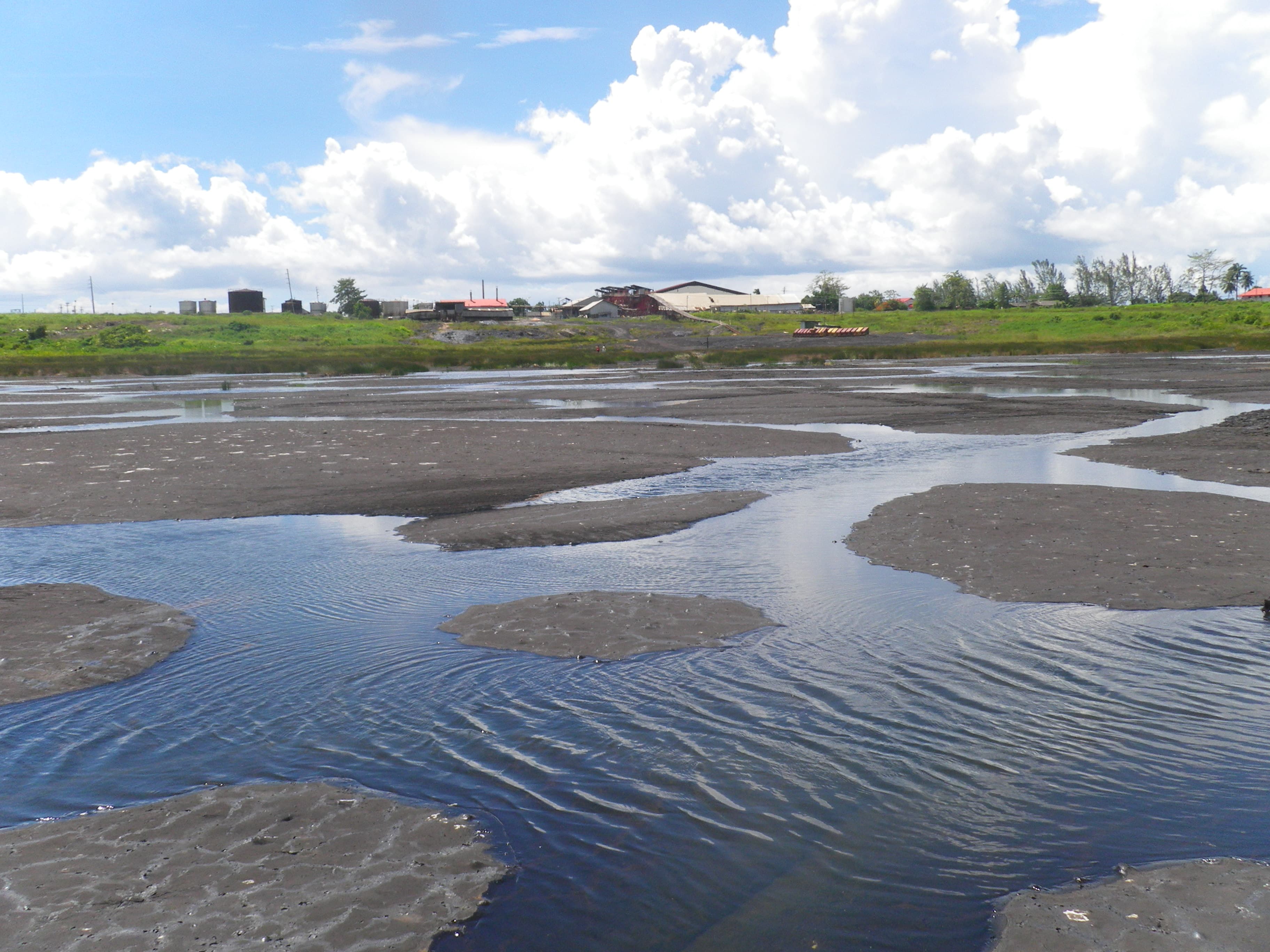
Pitch Lake
The world's largest natural deposit of asphalt, at La Brea in southwest Trinidad: a semi-solid, walkable lake covering about 40 hectares, in use since Sir Walter Raleigh caulked his ships with it in 1595.
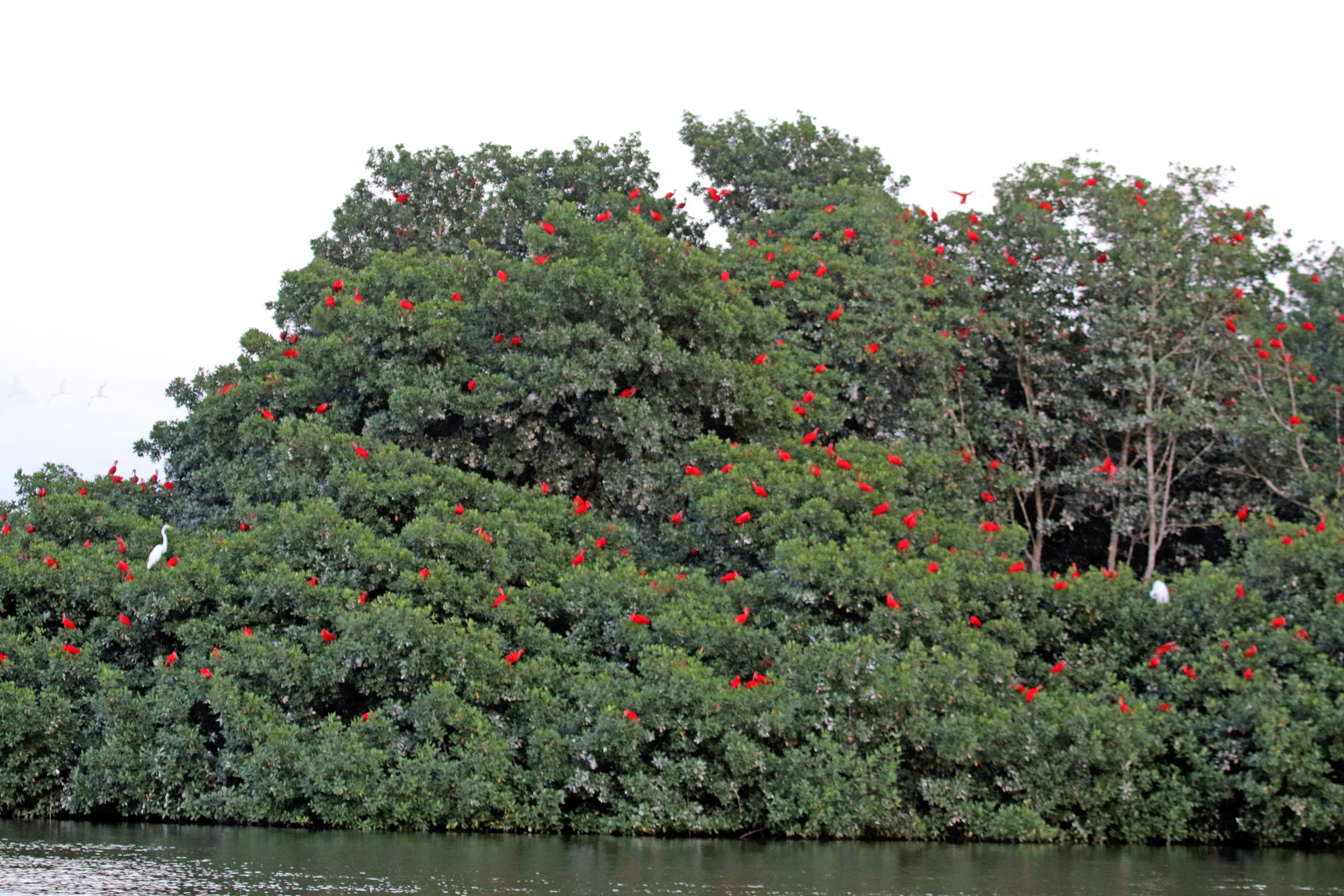
Caroni Bird Sanctuary
A mangrove swamp on Trinidad's west coast, famous for the nightly return of thousands of scarlet ibis (the national bird) to roost, best seen by guided boat tour at sunset.
Photo: Charles J. Sharp, CC BY-SA 4.0, via Wikimedia Commons
Asa Wright Nature Centre
A rainforest reserve and former plantation house in Trinidad's Northern Range, known for birdwatching: hummingbirds at close range and dozens of other species on its trails.
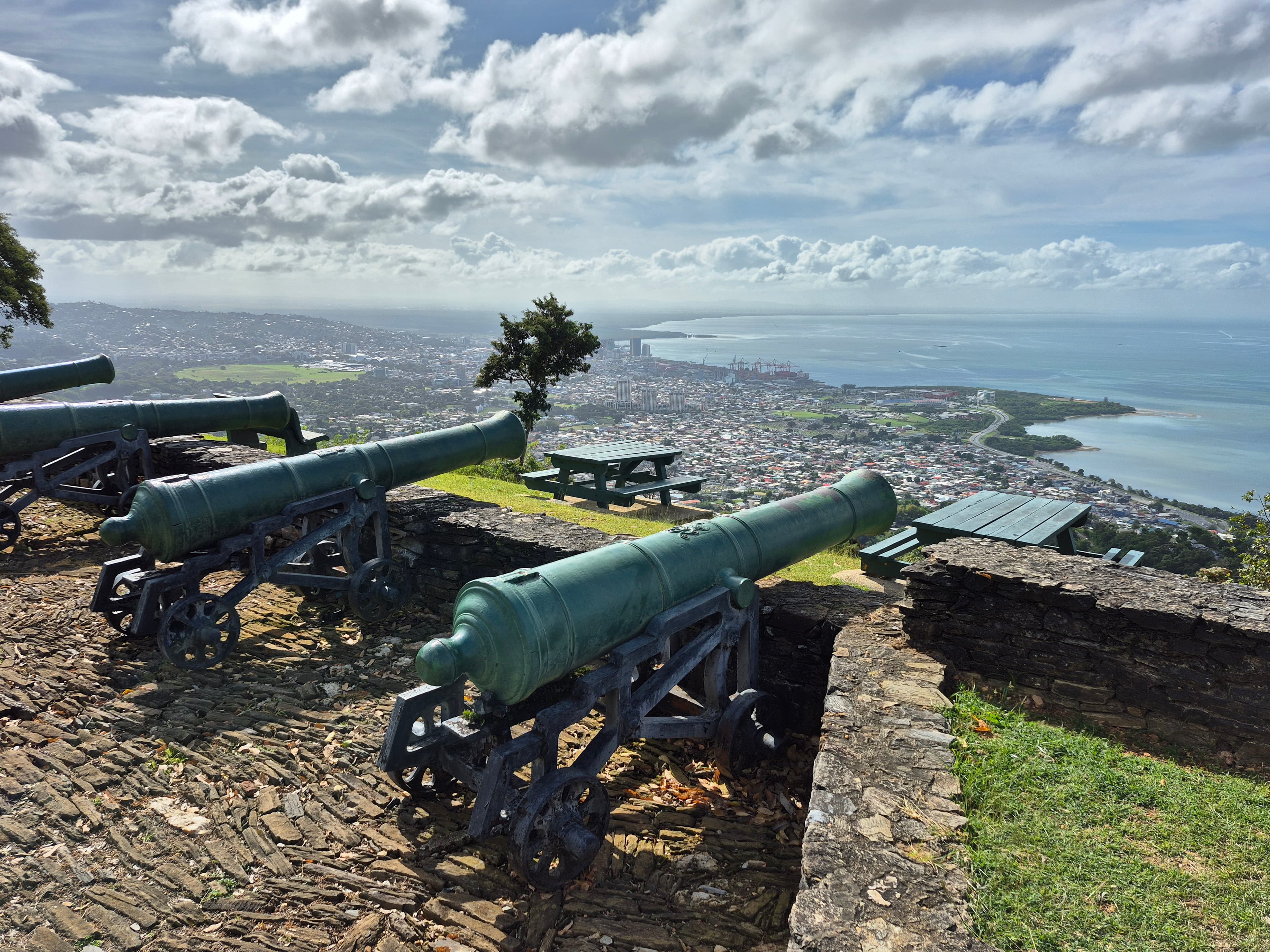
Fort George
An 1804 hilltop fort overlooking Port of Spain and the Gulf of Paria, built by enslaved labourers led by Jonas Mohammed Bath. Its cannons never fired in anger, but the view over the capital is one of the best on the island.
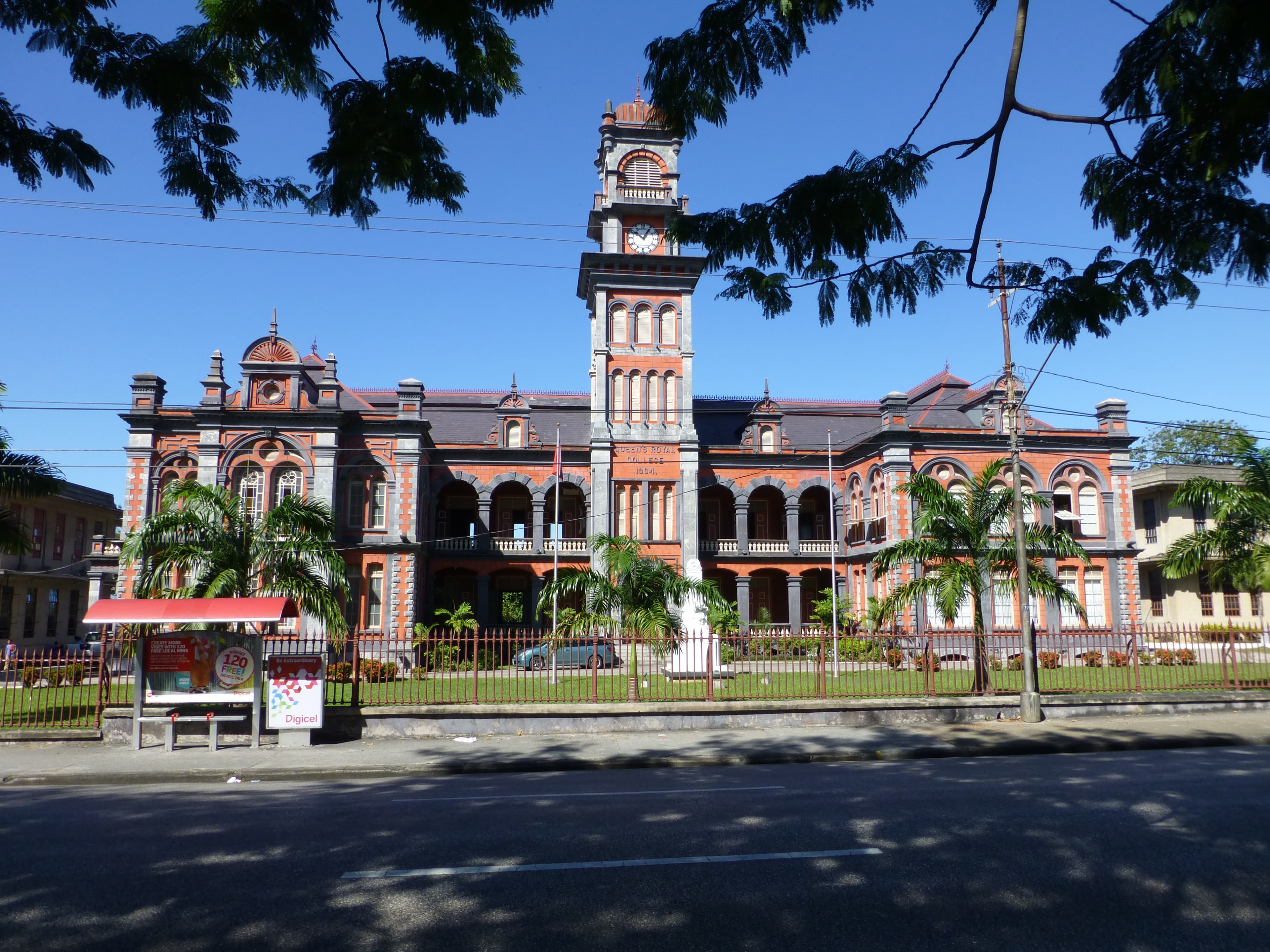
Queen's Park Savannah
A large city park in Port of Spain ringed by the Magnificent Seven colonial-era mansions, and the epicentre of Carnival's biggest stage shows.
Main Ridge Forest Reserve
Declared a protected forest reserve in 1776, the oldest legally protected rainforest in the Western Hemisphere: over 10,000 acres of rainforest across Tobago's central spine, with hiking trails and dense birdlife.
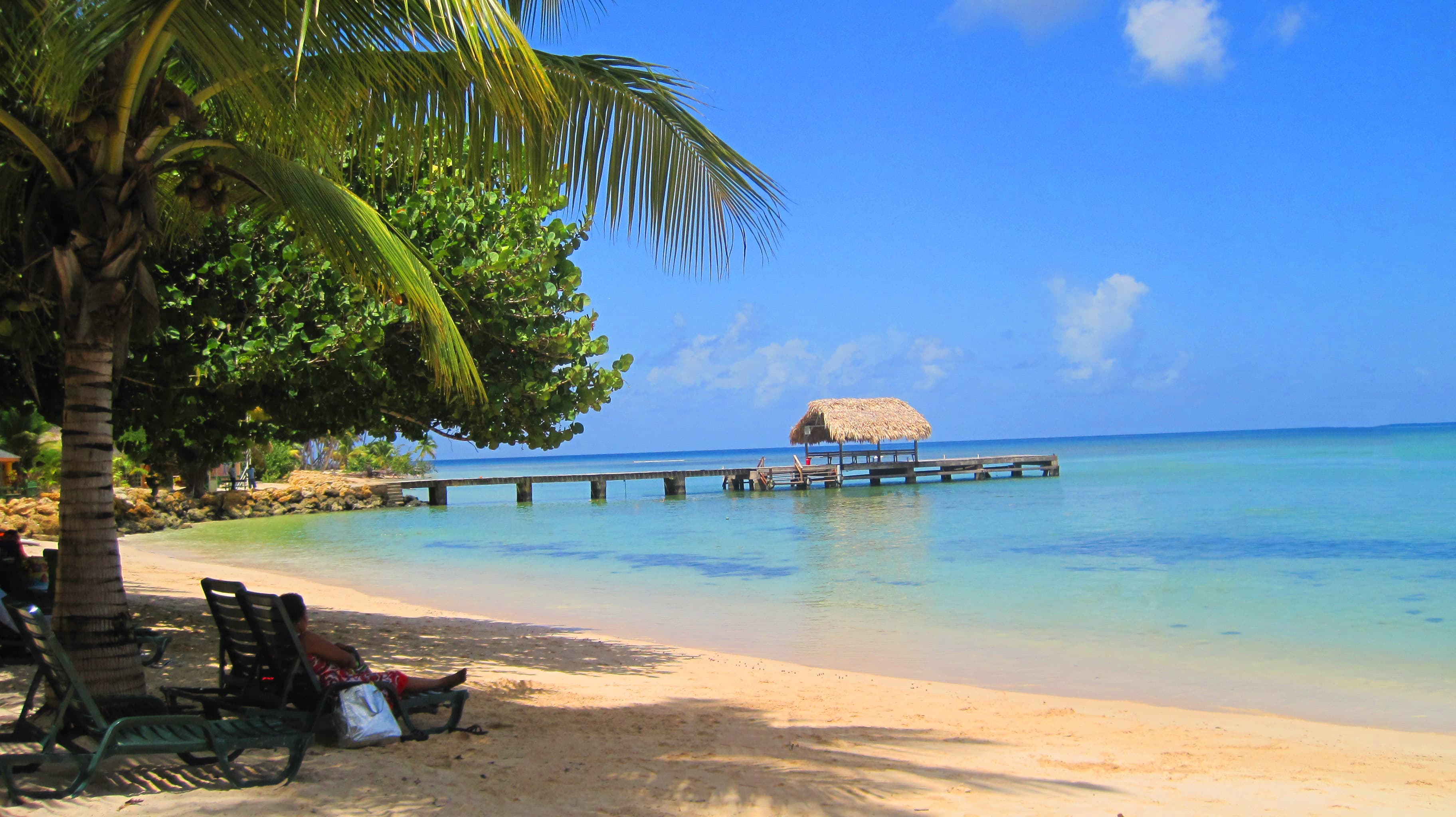
Pigeon Point Heritage Park
Tobago's best-known beach, fronted by a thatched-roof jetty that's become the island's signature image, with calm, clear water.
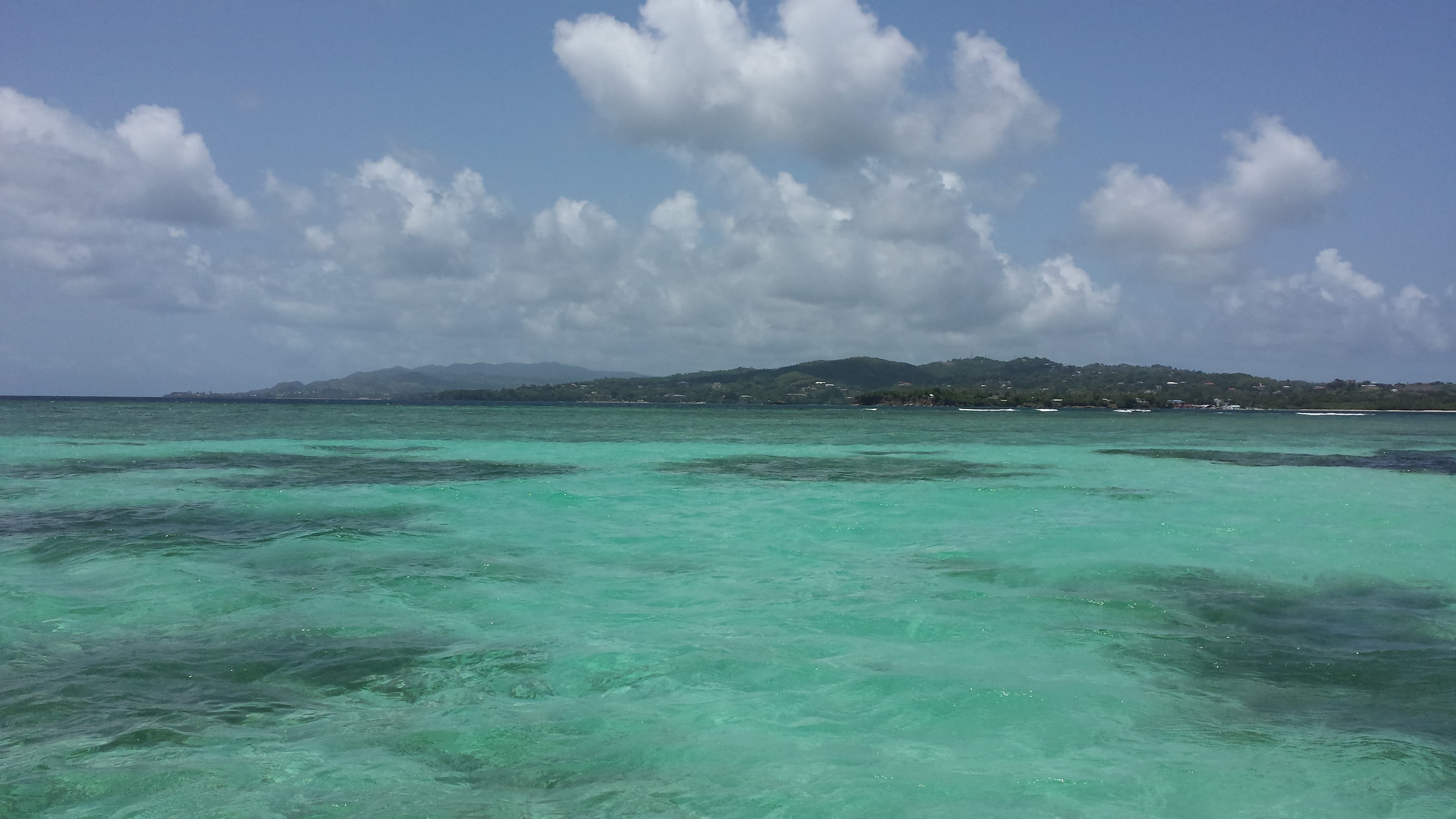
Buccoo Reef & Nylon Pool
A protected reef system off Tobago's southwest coast, rated among the world's best reefs by Jacques Cousteau, with glass-bottom boat tours stopping at the shallow, crystal-clear Nylon Pool sandbar.
Argyle Falls
Tobago's tallest waterfall at about 54 metres, dropping across three tiers near Roxborough, with natural pools for swimming after a short rainforest walk.
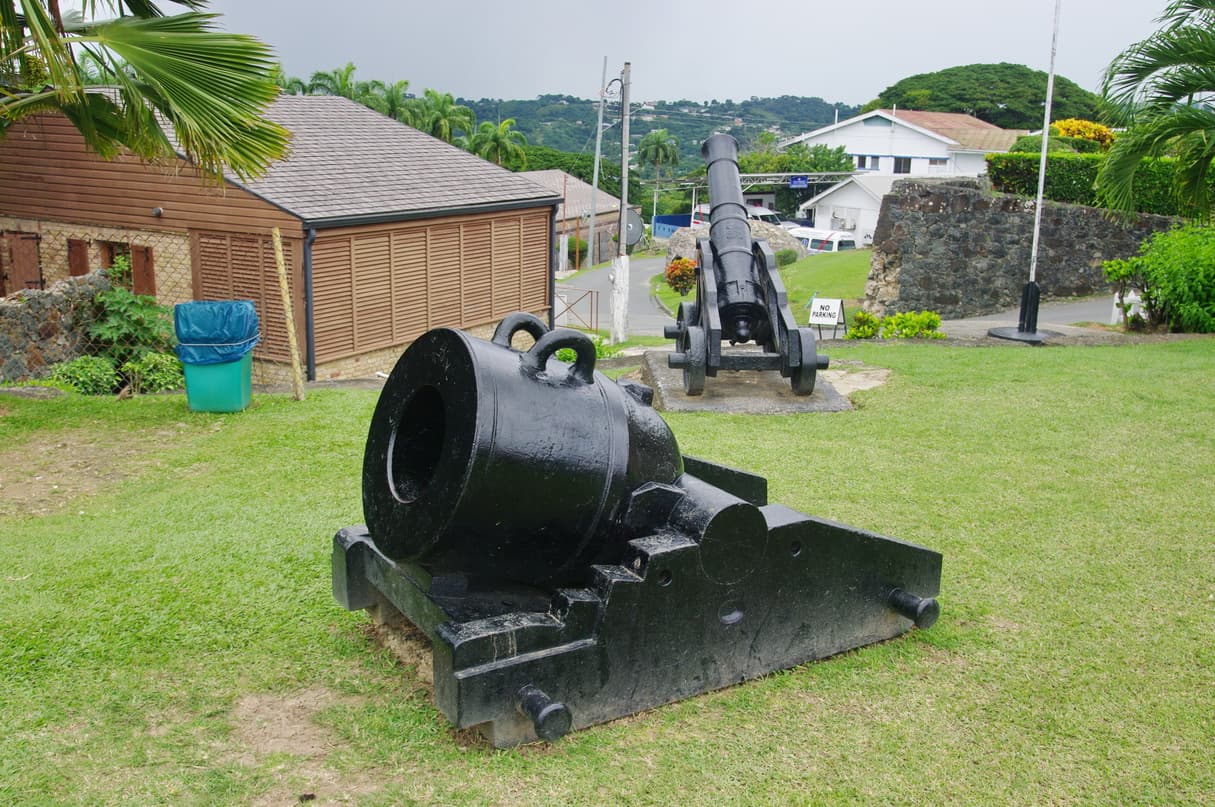
Fort King George
An 18th-century fort above Scarborough, Tobago, that changed hands between the British and French several times. Now home to the Tobago Museum, with cannons and colonial-era buildings intact.
Experiences to have
Trinidad Carnival
The pre-Lenten Carnival that Caribbean carnivals across the region take their cue from: soca, calypso, steelpan and elaborate costume bands filling Port of Spain for days.
Walking Pitch Lake
Guided walks across the semi-solid asphalt surface of the world's largest natural bitumen deposit, with a guide explaining the geology and the small freshwater pools that support unusual microbial life.
Scarlet ibis watching at Caroni Swamp
A sunset boat tour through mangrove channels to watch thousands of scarlet ibis return to roost, one of the most reliable big wildlife spectacles in the Caribbean.
Diving or snorkelling Buccoo Reef
Boat trips from Pigeon Point or Store Bay out to the reef and the Nylon Pool, usually combined as a half-day tour.
Hiking Main Ridge Forest Reserve
Trails through Tobago's rainforest interior, including routes to Argyle Falls, with a good chance of spotting endemic and migratory birds.
Doubles at dawn
Trinidad's street-food ritual: curried channa in fried bara, bought from a stand that's often only open in the early morning, eaten standing up.
Local dishes to try
Crab and callaloo
The national dish: callaloo (dasheen leaf) stewed with coconut milk, okra and crab, traditionally the centrepiece of Sunday lunch.
Doubles
Trinidad's iconic street food, not the official national dish but arguably more eaten day to day: curried chickpeas (channa) between two pieces of fried flatbread (bara), dressed with chutneys and pepper sauce.
Roti
Flatbread wrapped around curried chicken, goat, shrimp or potato: a staple lunch across both islands, reflecting the country's large Indo-Trinidadian population.
Pelau
A one-pot rice dish with meat (often chicken), pigeon peas and coconut milk, browned with caramelised sugar: an everyday dish and a Carnival/liming staple.
Best places to eat
Patraj Roti ShopPort of Spain
A locally popular spot for roti and curry, best visited around 11:30am before the lunch rush.
George & Son Doubles and PiesWoodbrook, Port of Spain
One of the city's well-known doubles stands, a quick, cheap classic Trini breakfast.
D'Lime CafePort of Spain
Casual Trini fare (doubles, roti and curries) at reasonable prices in a laid-back setting.
Store Bay food stallsCrown Point, Tobago
A cluster of local food stalls near the beach serving crab and dumpling, curried shrimp and other Tobagonian specialties.
Buccoo Bay beachside grillsBuccoo, Tobago
Casual, sea-view spots serving grilled and curried fish, crab and other local plates.
Anthem, motto and pledge
National motto
“Together We Aspire, Together We Achieve”
National anthem
“Forged from the Love of Liberty”, words by Patrick S. Castagne, music by Patrick S. Castagne. Adopted 1962, at independence (originally written as "A Song for the Islands" for the proposed West Indies Federation, then revised for Trinidad and Tobago).
Listen / read more →National pledge
I solemnly pledge to dedicate my life to the service of my God and my country. I will honour my parents, my teachers, my leaders and my elders and those in authority. I will be clean and honest in all my thoughts, my words and my deeds. I will strive in everything I do to work together with my fellowmen of every creed and race for the greater happiness of all and the honour and glory of my country.
Source: National Library and Information System Authority (NALIS), Government of Trinidad and Tobago
Trinidad and Tobago: frequently asked questions
How do I move to Trinidad and Tobago as a CARICOM national?
The CARICOM Skills Certificate (CSME) is the main route to live and work in Trinidad and Tobago without a work permit. See the CSME steps for Trinidad and Tobago for the full application process.
Do all CARICOM nationals need the certificate, or is there full free movement?
No. Four CARICOM countries have gone further than the standard CSME certificate and implemented full free movement between themselves: Barbados, Belize, Dominica, St. Vincent and the Grenadines. Nationals of those four can work in each other's countries without a certificate. Everyone else, including anyone moving to or from Trinidad and Tobago, still applies for the CSME Skills Certificate.
How much does it cost to visit Trinidad and Tobago?
Trinidad and Tobago is moderate cost by Caribbean standards. Trinidad is more business-oriented and affordable for everyday items; Tobago is more tourism-focused and can be pricier in resort areas. A budget traveller can expect roughly US$70–120/day (guesthouse or budget hotel, local food like doubles and roti, public transport, few tours); mid-range roughly US$150–280/day (a comfortable hotel or Airbnb, a mix of local and nicer restaurants, several tours); luxury US$400+/day (an upscale Tobago resort or Trinidad boutique hotel, fine dining, private tours). For a longer stay, see the cost-of-living section above for typical monthly rent, and note that electricity here is genuinely cheap by Caribbean standards.
What is the currency and do I need cash?
The currency is the Trinidad and Tobago dollar (TTD). USD is sometimes accepted in tourist areas, but you'll usually get better value paying in TTD, and change often comes back in TTD. Major cards work in most hotels, larger restaurants and shops in Port of Spain, Chaguanas, San Fernando and the main Tobago towns, but smaller vendors, street food stalls and rural spots often prefer cash. ATMs are widely available in Port of Spain, major Trinidad towns, and in Tobago (Scarborough, Crown Point, Canaan).
Do I need a visa to visit as a tourist?
Many nationalities, including the US, UK, Canada, the EU and CARICOM, can enter visa-free for short stays, often up to 90 days, with a valid passport and proof of onward travel. Always confirm current rules with the Trinidad and Tobago Immigration Division or your nearest embassy before travelling.
How do I get around the islands?
Buses and "maxi taxis" (route taxis and minibuses on fixed routes) are inexpensive and common for getting between Port of Spain, Chaguanas, San Fernando and other Trinidad towns. Taxis are readily available at airports, cruise ports and major hotels; agree the fare in advance. Rental cars are available at airports and in major towns; driving is on the left, and Trinidad's roads range from good highways to congested urban streets, while Tobago's are generally smaller and quieter. Short domestic flights connect Piarco (Trinidad) and Tobago, useful if you're splitting time between the islands, and passenger and vehicle ferries also run between the two; check schedules ahead either way.
What are the must-do experiences in Trinidad and Tobago?
Experience Carnival in Port of Spain in the pre-Lenten season, with calypso, soca, steelpan, costumes and street parties. Visit Pitch Lake in La Brea, one of the world's largest natural asphalt lakes, and walk its semi-solid surface. Go birdwatching at Asa Wright Nature Centre and the Caroni Bird Sanctuary, especially for scarlet ibis at sunset. Explore Tobago's beaches: Pigeon Point, the Nylon Pool sandbar, Buccoo Bay and Store Bay. Hike the Main Ridge Forest Reserve on Tobago, one of the oldest legally protected rainforest reserves in the world. Or just take in Port of Spain's street food and urban culture: doubles, roti, markets and music.
What local food should I try?
Crab and callaloo is the official national dish: callaloo stewed with coconut milk, okra and crab, traditionally the centrepiece of Sunday lunch. Doubles, curried chickpeas in fried bara, isn't the official national dish but is arguably eaten more often day to day, and is the country's best-known street food. Also look for roti, pelau (a one-pot rice dish with meat, pigeon peas, coconut milk and spices), and fresh grilled or curried fish, crab and lobster, especially in Tobago. Try the doubles stands and cookshops in Port of Spain, San Fernando and Chaguanas, beachside grills in Tobago (Store Bay, Buccoo), and mid-range to upscale restaurants on both islands.
Is Trinidad and Tobago safe for tourists?
Trinidad and Tobago can be visited safely, but it has higher crime rates in some urban areas, especially parts of Port of Spain and certain neighbourhoods. Major Tobago resorts, well-known beaches and organised tours are generally fine with normal precautions: avoid walking alone at night in unfamiliar urban areas, don't flash valuables, and use licensed taxis and reputable tour operators. Be cautious at ATMs and in crowded places, and keep bags and phones secure. Check your government's current travel advisory and ask your hotel or tour operator about areas to avoid.
What is the best time to visit?
December to April is the dry, sunny, busiest and most expensive stretch, and includes Carnival season. May–June and November are shoulder season: good weather, fewer crowds, better deals. July–October is rainier and more humid with higher hurricane risk, and prices are lowest. For Carnival, plan around the weeks leading up to Lent, usually February or early March. For beach time and diving with reliable weather, aim for December–April or May–June.
What should I pack?
Light, breathable clothing, swimwear, sandals and comfortable shoes for walking and hikes, plus sunscreen, a hat, sunglasses and insect repellent. A light rain jacket or poncho helps, especially in the wetter months. Bring something a little more modest if you'll visit a church or formal venue. If you're visiting for Carnival, pack colourful clothes, comfortable shoes for dancing and walking, and protection from both sun and rain.
Any cultural tips I should know?
Trinidad and Tobago is highly multicultural: Afro-Trinbagonian, Indo-Trinbagonian, mixed, Chinese, Syrian-Lebanese, European and more, so respect local customs and religious practices. English is official, but you'll hear Trinidadian and Tobagonian English Creole daily, alongside Hindi, Spanish and other languages. Tipping 10–15% in restaurants is standard if a service charge isn't already included, with small tips for taxi drivers, tour guides and hotel staff welcome. During Carnival season, expect large crowds, loud music and a party atmosphere, so book accommodation and transport well in advance.
Thinking about moving to Trinidad and Tobago?
Let us help you plan the next step. Get a personalised document plan, estimated timeline and practical next steps for your destination.
Last reviewed August 2026. Cost of living figures, rents, fees and office details change, and the figures here are drawn from the named sources on this page rather than being guaranteed prices. Confirm anything you are relying on before you act on it.