Moving to Jamaica
The Caribbean's best-known island by far: reggae, jerk, and a coastline that runs from Blue Mountain coffee slopes to Seven Mile Beach.
Jamaica is the most populous English-speaking Caribbean country by a wide margin, and easily the best known internationally: reggae, Bob Marley and jerk cooking all trace back here. It's a bigger, more varied island than most of its CARICOM neighbours: mountains and coffee estates in the interior, resort coastline around Negril and Ocho Rios, and Kingston, the largest English-speaking city south of Miami, as its cultural and business centre. A 2022 government push to become a republic by 2025 was retracted in March 2025, so Jamaica remains a constitutional monarchy for now.
Capital
Kingston
Population
≈2.83–2.84 million (2025–2026 estimate)(Worldometer)
Area
≈10,990 km² (the largest English-speaking island in the Caribbean)
Independence
6 August 1962, from the United Kingdom
Independence Day falls on 6 August each year. Next marked in 325 days, 65 years on.
Coordinates
18.00°N, 76.79°W(view on Google Maps)
Languages
English (official), Jamaican Patois, spoken by most of the population day to day
Currency
Jamaican dollar (JMD), floating, trading at roughly J$158 to US$1. US dollars are sometimes accepted in tourist areas, but JMD is standard.
Median age
≈30.5 years (2023 estimate)
Age structure
0–14 years: ≈24%. 15–64 years: ≈66%. 65 years and over: ≈10%.
Ethnic composition
African ≈76%, Afro-European (mixed) ≈15%, Indian/Afro-Indian ≈3.4%, White ≈3.2%, Chinese/Afro-Chinese ≈1.2%, other ≈0.8%(2024 estimate)
Government
Parliamentary constitutional monarchy within the Commonwealth. King Charles III is head of state, represented locally by a Governor-General; a Prime Minister heads the government. A 2022 plan to become a republic by 2025 was formally retracted in March 2025.
Where people live
The Kingston Metropolitan Area is by far the largest population centre and the country's economic and cultural hub; Montego Bay and Ocho Rios are the main tourism centres on the north coast.
Cost of living
Rent, 1BR, ordinary local market
≈US$350–600/month in outer Kingston (Half Way Tree, Constant Spring, Portmore) or a modest unit elsewhere
Rent, 1BR, marina / tourist areas
≈US$570–1,200/month in uptown Kingston (New Kingston, Barbican) or the main tourist towns (Montego Bay, Ocho Rios, Negril), more for beachfront units
Groceries, one person
≈US$180–350/month
Utilities, small apartment
≈US$60–300+/month for electricity, which runs notably high in Jamaica, especially with regular AC use, plus roughly US$10–25 water and US$50–80 internet
Inexpensive restaurant meal
≈US$10–15
Mid-range dinner for two
≈US$50–100
Modest monthly budget, single person
≈US$1,200–1,800/month all-in
Comfortable monthly budget, single person
≈US$1,800–3,000/month all-in
Local wages are low relative to these costs, so day-to-day prices for residents can feel more expensive than the raw dollar figures suggest. A premium lifestyle (uptown Kingston or beachfront tourist area, frequent dining, high AC use) can run US$3,500–6,000+/month. Local route-taxi fares run roughly US$1–3 per trip.
Sources: Numbeo, as of August 2026. Cost-of-living figures are estimates that shift with the season and the neighbourhood; treat them as a starting point, not a quote.
Moving to Jamaica
Visas, healthcare, taxes and where people settle, for anyone actually planning the move.
Visa and work permit
CARICOM nationals can enter visa-free and apply for a CARICOM Skills Certificate (the CSME route) to live and work in Jamaica without a work permit; see the CSME steps for Jamaica for the application process. Non-CARICOM nationals need an employer-sponsored work permit from the Ministry of Labour and Social Security before starting work in Jamaica; permits are tied to a specific job and employer and are generally renewed annually.
Permanent residency
Permanent residence is available after 3 or more continuous years of employment in Jamaica, through marriage to a Jamaican national, as a dependant of an existing permanent resident, or through a retirement category for those with sufficient pension or investment income. Applications go through the Passport, Immigration and Citizenship Agency (PICA) and are usually decided within 3 to 6 months.
Healthcare
Public hospitals and health centres are free at the point of use for residents but can mean long waits, and are often better resourced for emergencies than routine care. Most movers carry private health insurance, roughly US$150-500/month for solid coverage, and use private facilities such as Andrews Memorial Hospital in Kingston or private clinics in Montego Bay. Confirm what a home-country or employer policy actually covers on the island before relying on it.
Taxes
Jamaica taxes residents on worldwide income and non-residents only on Jamaica-sourced income, with the tax year running 1 April to 31 March. The annual tax-free threshold rises each April, sitting at roughly JMD 1.9 million for the 2026/2027 year; income above that is taxed at 25% up to JMD 6 million a year and 30% above that, while non-residents get no tax-free threshold and pay a flat 25% from the first dollar. Anyone earning income in Jamaica needs a Taxpayer Registration Number (TRN). US citizens remain subject to US filing requirements wherever they live, so check the Foreign Earned Income Exclusion and Foreign Tax Credit with a tax professional.
Where people settle
Kingston
The capital and the country's business and cultural hub. New Kingston and Barbican suit professionals; Cherry Gardens, Norbrook and Liguanea are established, relatively secure neighbourhoods, at a price premium over the rest of the city.
Montego Bay
Jamaica's second city and main north-coast hub, popular with remote workers and retirees; Ironshore and Rose Hall offer gated communities close to Sangster International Airport.
Mandeville
A hill town at roughly 600m elevation with a noticeably cooler climate than the coast. A long-standing favourite with returning-resident Jamaicans and retirees, and generally cheaper than Kingston or Montego Bay.
Ocho Rios and Negril
North and west coast towns built around tourism, with ocean-view rentals around White River (Ocho Rios) and near Seven Mile Beach (Negril); more resort-paced than the cities, and geared toward shorter lets as well as long-term living.
Portmore and Spanish Town
Commuter towns just outside Kingston with more affordable housing for people working in the capital, at the cost of a longer commute.
Work permit and residency rules change, so confirm current requirements directly with PICA or Jamaica's Ministry of Labour and Social Security before making plans around them.
Sources: Passport, Immigration and Citizenship Agency (PICA) and PwC Tax Summaries and Expat.com, as of August 2026. Visa, residency and tax rules change: confirm current requirements with the relevant government agency before acting on them.
We can handle this for you
Visa or CSME paperwork, banking, housing, flights and everything else needed for a successful move to Jamaica: this is exactly what we do every day. Reach out and we’ll walk you through every step.
Places to see
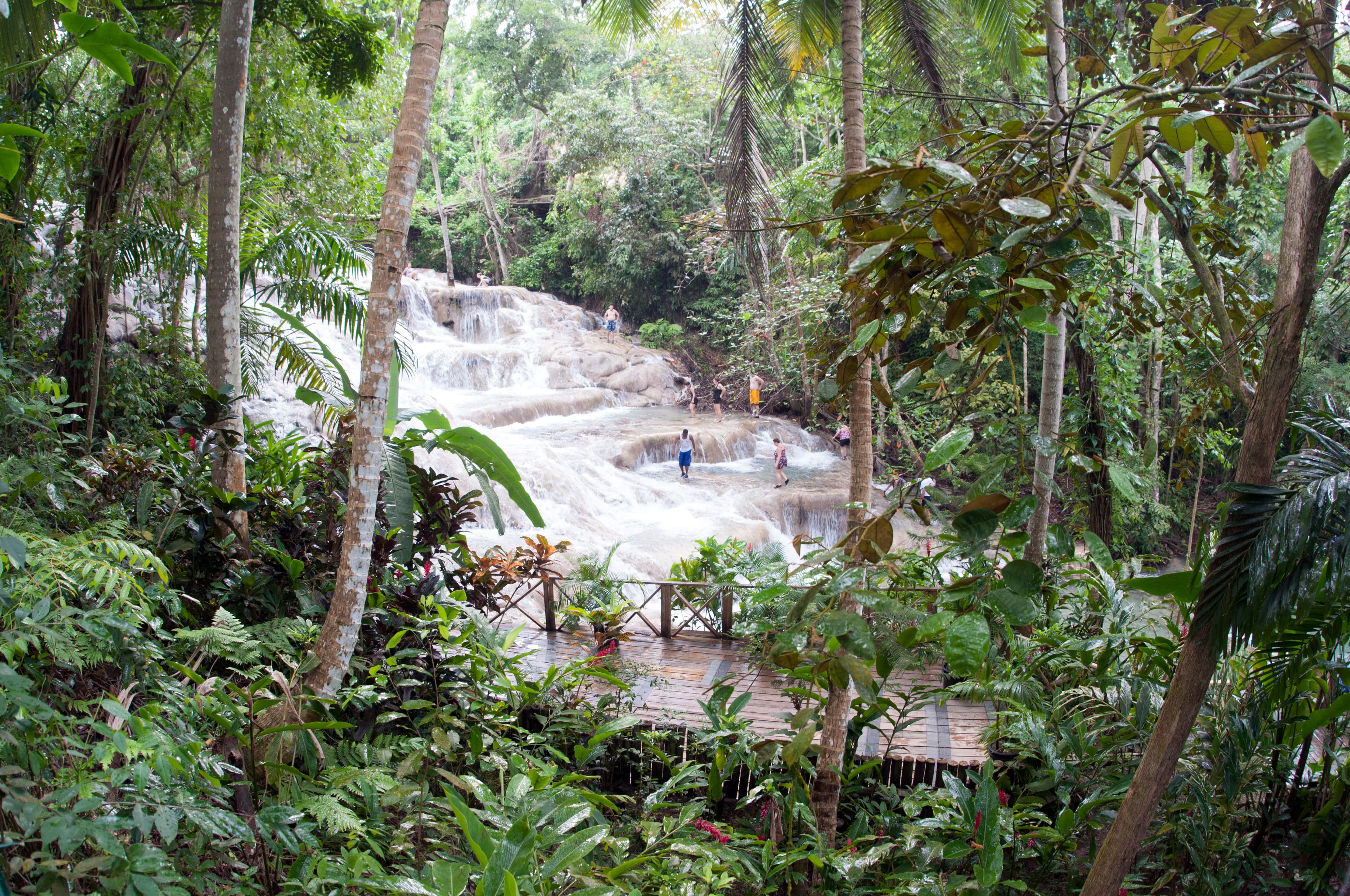
Dunn's River Falls
A terraced waterfall near Ocho Rios that visitors climb hand in hand, cascading straight onto the beach: one of Jamaica's most-photographed sights.
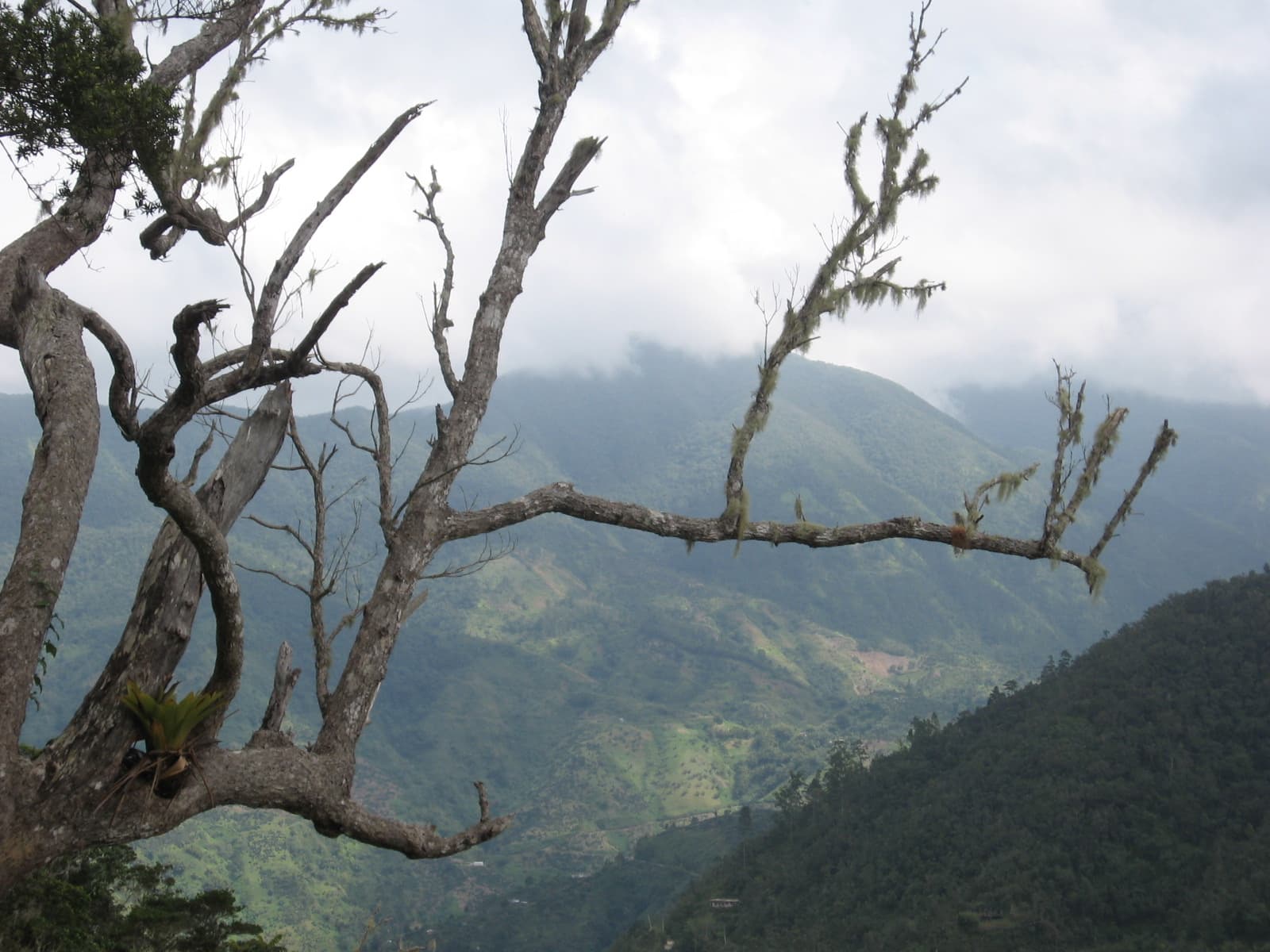
Blue Mountains
Jamaica's highest range, home to Blue Mountain Peak (2,256m) and the coffee estates that grow the world-famous Blue Mountain coffee, most of it exported to Japan.
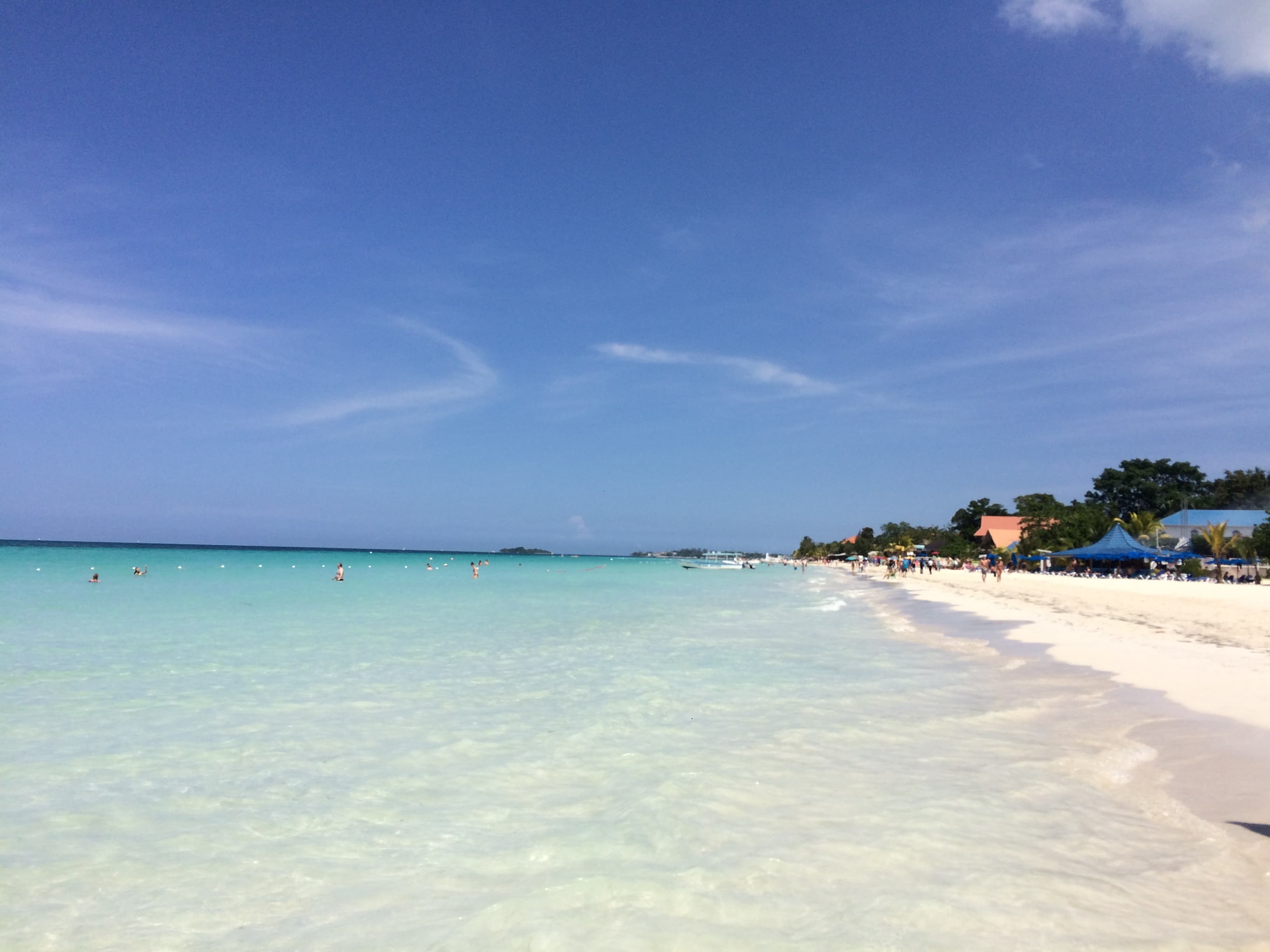
Negril and Seven Mile Beach
A long stretch of white sand on the west coast, with the Negril cliffs at its southern end used for cliff diving and sunset watching.
YS Falls
A quieter, less crowded set of seven waterfalls on the south coast, in St. Elizabeth Parish.
Ocho Rios' Blue Hole
A series of waterfalls and turquoise swimming holes in the hills above Ocho Rios, good for cliff jumping.
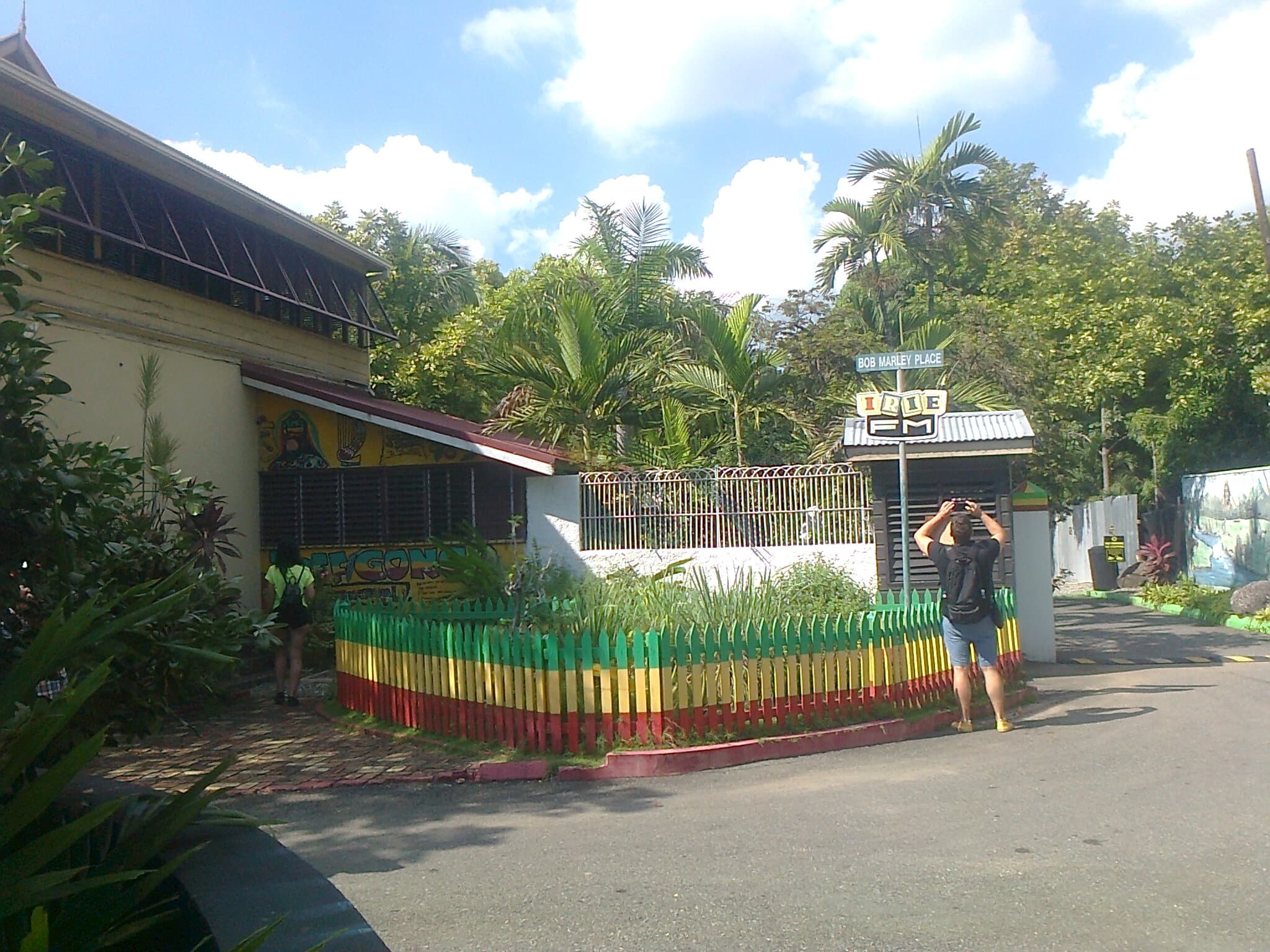
Bob Marley Museum & Devon House
Marley's former Kingston home, now a museum on his life and the roots of reggae; nearby, Devon House is an 1881 Jamaican-Georgian mansion turned heritage site, famous for its ice cream.
Doctor's Cave Beach
A historic Montego Bay beach that grew famous in the 1920s after a British osteopath publicised its supposedly restorative waters, and it's still one of the city's best-known beaches.
Blue and John Crow Mountains National Park
A UNESCO World Heritage Site of rainforest covering the Blue Mountains and John Crow range, with Maroon heritage sites alongside the coffee estates and hiking trails.
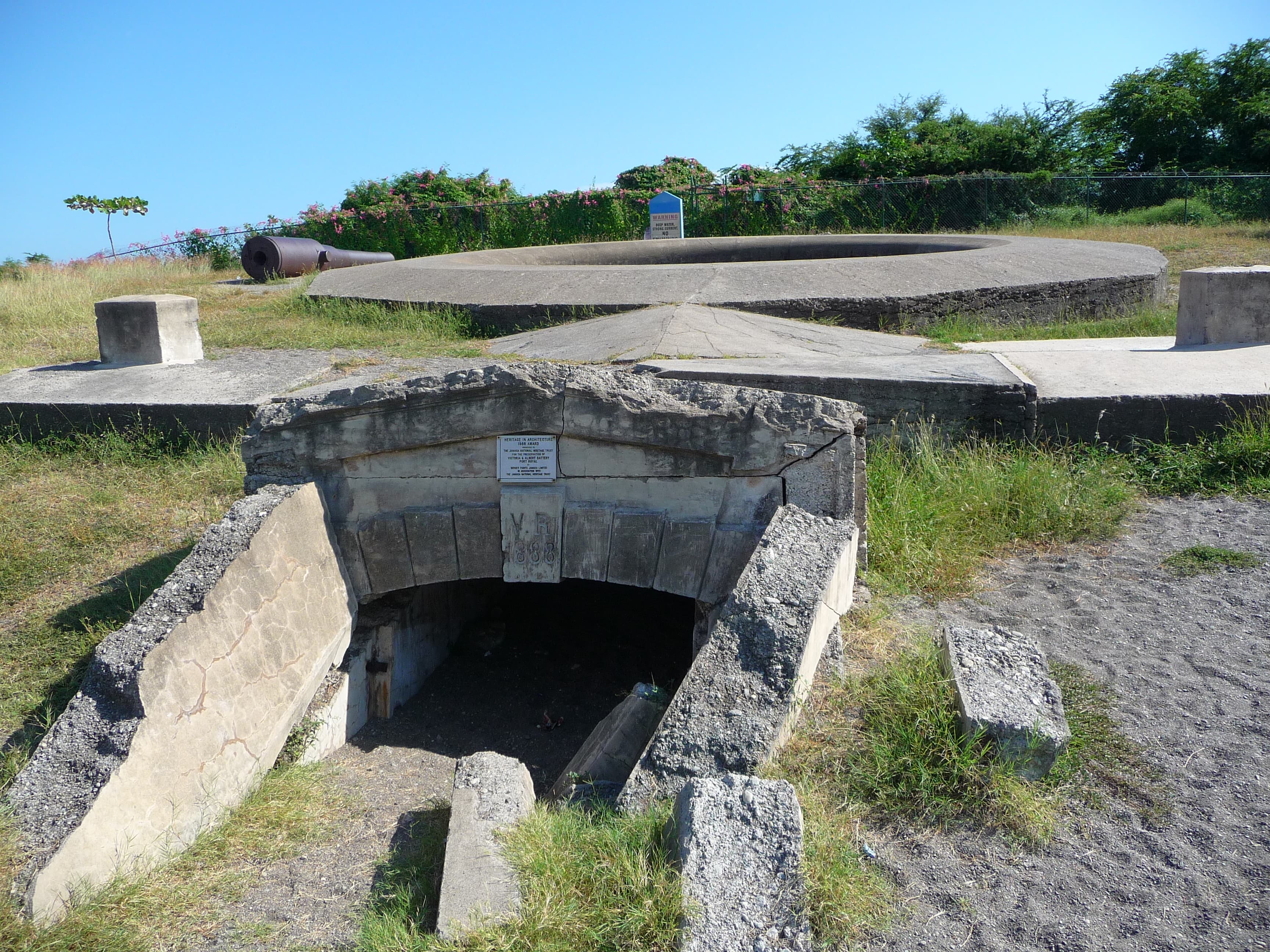
Port Royal
Once called "the wickedest city on Earth" for its pirate-haven reputation, two-thirds of it sank in a 1692 earthquake. Its archaeological landscape at the mouth of Kingston Harbour became Jamaica's second UNESCO World Heritage Site in July 2025.
Experiences to have
Climbing Dunn's River Falls
A guided, hand-in-hand climb up the terraced falls, one of the most-repeated Jamaica experiences there is.
Hiking Blue Mountain Peak
A pre-dawn hike to the summit for sunrise views stretching across both the north and south coasts, with a coffee tour on the way.
A jerk pit meal
Chicken or pork slow-grilled over pimento wood, best eaten at a roadside jerk stand, not a hotel restaurant.
Cliff diving at Rick's Café
A Negril institution: sunset drinks and cliff jumps from platforms up to 35 feet above the water.
Reggae and dancehall nightlife
Live music, sound systems and street dances, especially in Kingston, the birthplace of both genres.
Bamboo rafting on the Rio Grande
A calm, poled bamboo-raft trip down the river that runs from the Blue Mountains to the Portland coast. River rafting as a leisure activity started here, popularised by Errol Flynn in the 1950s.
Local dishes to try
Ackee and saltfish
Jamaica's national dish: ackee, the national fruit, cooked with salted cod, onion and pepper. Traditionally a breakfast dish, served with fried dumplings or breadfruit.
Jerk chicken or pork
Meat marinated in Scotch bonnet pepper, allspice and thyme, then slow-cooked over pimento wood: Jamaica's best-known culinary export.
Patties
Flaky, turmeric-yellow pastry filled with spiced beef, chicken or vegetables: Jamaica's everyday fast food.
Curried goat
A slow-cooked curry, usually served with rice and peas, common at gatherings and celebrations.
Best places to eat
Kingston JerkKingston
Widely cited by locals as the city's best jerk: chicken, pork, festival and roast breadfruit off the pimento-wood grill.
Sweetwood Jerk JointKingston, near Emancipation Park
A wide jerk menu (chicken, pork, sausage, lamb, fish and conch) with traditional pimento-wood barbecue sides.
Gloria'sKingston
A long-standing favourite for seafood.
Moby DickKingston
Known for curried goat and old-school Jamaican cooking.
ScotchiesMontego Bay (original), plus Ocho Rios and Kingston
One of Jamaica's most famous jerk centres: open-air, pimento-wood barbecue, wooden tables and barrel stools. The Montego Bay original is the one most people mean by "Scotchies."
Anthem, motto and pledge
National motto
“Out of Many, One People”
National anthem
“Jamaica, Land We Love”, words by Hugh Sherlock, music by Robert Lightbourne (arranged by Mapletoft Poulle). Adopted 1962, at independence.
Listen / read more →National pledge
Before God and all mankind, I pledge the love and loyalty of my heart, the wisdom and courage of my mind, the strength and vigor of my body in the service of my fellow citizens, I promise to stand up for Justice, Brotherhood and Peace, to work diligently and creatively, to think generously and honestly, so that Jamaica may, under God, increase in beauty, fellowship and prosperity, and play her part in advancing the welfare of the whole human race.
Source: Jamaica Information Service and Ministry of Foreign Affairs and Foreign Trade (mfaft.gov.jm)
Jamaica: frequently asked questions
How do I move to Jamaica as a CARICOM national?
The CARICOM Skills Certificate (CSME) is the main route to live and work in Jamaica without a work permit. See the CSME steps for Jamaica for the full application process.
Do all CARICOM nationals need the certificate, or is there full free movement?
No. Four CARICOM countries have gone further than the standard CSME certificate and implemented full free movement between themselves: Barbados, Belize, Dominica, St. Vincent and the Grenadines. Nationals of those four can work in each other's countries without a certificate. Everyone else, including anyone moving to or from Jamaica, still applies for the CSME Skills Certificate.
How much does it cost to visit Jamaica?
Jamaica is moderate by Caribbean standards: all-inclusive resorts can be pricey, but independent travel can be quite affordable. A budget traveller can expect roughly US$70–120/day (guesthouse or budget hotel, local food, public transport, few tours); mid-range roughly US$150–280/day (a comfortable hotel or Airbnb, a mix of local and nicer restaurants, several tours); luxury US$400+/day (upscale resort or boutique hotel, fine dining, private tours). For a longer stay, see the cost-of-living section above for typical monthly rent.
What is the currency and do I need cash?
The currency is the Jamaican dollar (JMD), which floats. USD is accepted in many tourist areas, but you'll usually get better value paying in JMD, and change often comes back in JMD. Major cards work in most hotels, larger restaurants and shops in tourist areas, but smaller vendors, cookshops and rural spots often prefer cash. ATMs are widely available in Kingston, Montego Bay, Ocho Rios, Negril and other main towns.
Do I need a visa to visit as a tourist?
Many nationalities, including the US, UK, Canada, the EU and CARICOM, can enter visa-free for short stays, often up to 90 days, with a valid passport and proof of onward travel. Always confirm current rules with Jamaica's Passport, Immigration and Citizenship Agency (PICA) or your nearest embassy before travelling.
How do I get around the island?
Government and private buses connect major towns, relatively cheap but can be crowded. Route taxis and shared minibuses ("coasters") run on fixed routes and are cheap and common, if fast-paced and crowded. Licensed taxis, with red plates marked PP or PPV, are readily available at airports, cruise ports and major hotels; agree the fare in advance. Rental cars are available at airports and in major towns; driving is on the left, and roads range from good highways to narrow, winding mountain roads, so defensive driving matters. Organised tours are common for attractions like Dunn's River Falls, Blue Mountain coffee tours and river rafting, usually including transport and a guide.
What are the must-do experiences in Jamaica?
Climb Dunn's River Falls near Ocho Rios on a guided ascent of the terraced waterfall, watch the sunset (and try cliff-jumping) at the Negril Cliffs, tour a Blue Mountains coffee estate and hike its cool-climate scenery, spend time on Seven Mile Beach in Negril or Doctor's Cave Beach in Montego Bay, visit the Bob Marley Museum and take in Kingston's reggae and dancehall culture, go bamboo rafting on the Rio Grande in Portland, and explore inland spots like YS Falls or the Blue Hole.
What local food should I try?
Jerk chicken (marinated in Scotch bonnet, pimento and herbs, then grilled or smoked over pimento wood) is Jamaica's best-known culinary export. Ackee and saltfish is the national dish, alongside rice and peas, stewed chicken or fish, curry goat, festival, fried dumplings and bammy, plus fresh grilled or fried fish and seafood. Try local cookshops, street vendors, famous jerk centres like Scotchies in Montego Bay and Ocho Rios, and beach grills in Negril and Ocho Rios.
Is Jamaica safe for tourists?
Jamaica can be visited safely, but it has higher crime rates in some areas, especially parts of Kingston and some urban neighbourhoods. Major resorts, well-known beaches and organised tours are generally fine with normal precautions: avoid walking alone at night in unfamiliar areas, don't flash valuables, and use licensed taxis and reputable tour operators. Be cautious at ATMs and in crowded places, and keep bags and phones secure. Check your government's current travel advisory and ask your hotel or tour operator about areas to avoid.
What is the best time to visit?
December to April is the dry, sunny, busiest and most expensive stretch. May–June and November are shoulder season: good weather, fewer crowds, better deals. July–October is rainier and more humid with higher hurricane risk, and prices are lowest. For beach time, hiking and cultural events with reliable weather, aim for December–April or May–June.
What should I pack?
Light, breathable clothing, swimwear, sandals and comfortable shoes for walking and hikes, plus sunscreen, a hat, sunglasses and insect repellent. A light rain jacket or poncho helps, especially in the wetter months. Bring something a little more modest if you'll visit a church or formal venue. For hiking in the Blue Mountains or a long walk, add lightweight long trousers, moisture-wicking shirts and a small daypack.
Any cultural tips I should know?
Jamaicans are generally friendly and expressive; a polite greeting before asking a question is appreciated. Dress is casual but neat, with modest attire expected in churches and some communities. Tipping 10–15% in restaurants is standard if a service charge isn't already included, with small tips for taxi drivers, tour guides and hotel staff welcome. Reggae and dancehall are central to national identity; being open-minded and courteous about the music and culture goes a long way.
Thinking about moving to Jamaica?
Let us help you plan the next step. Get a personalised document plan, estimated timeline and practical next steps for your destination.
Last reviewed August 2026. Cost of living figures, rents, fees and office details change, and the figures here are drawn from the named sources on this page rather than being guaranteed prices. Confirm anything you are relying on before you act on it.