Moving to Suriname
The only Dutch-speaking country in the Americas: a Dutch colonial capital fronting a vast, largely untouched Amazon interior.
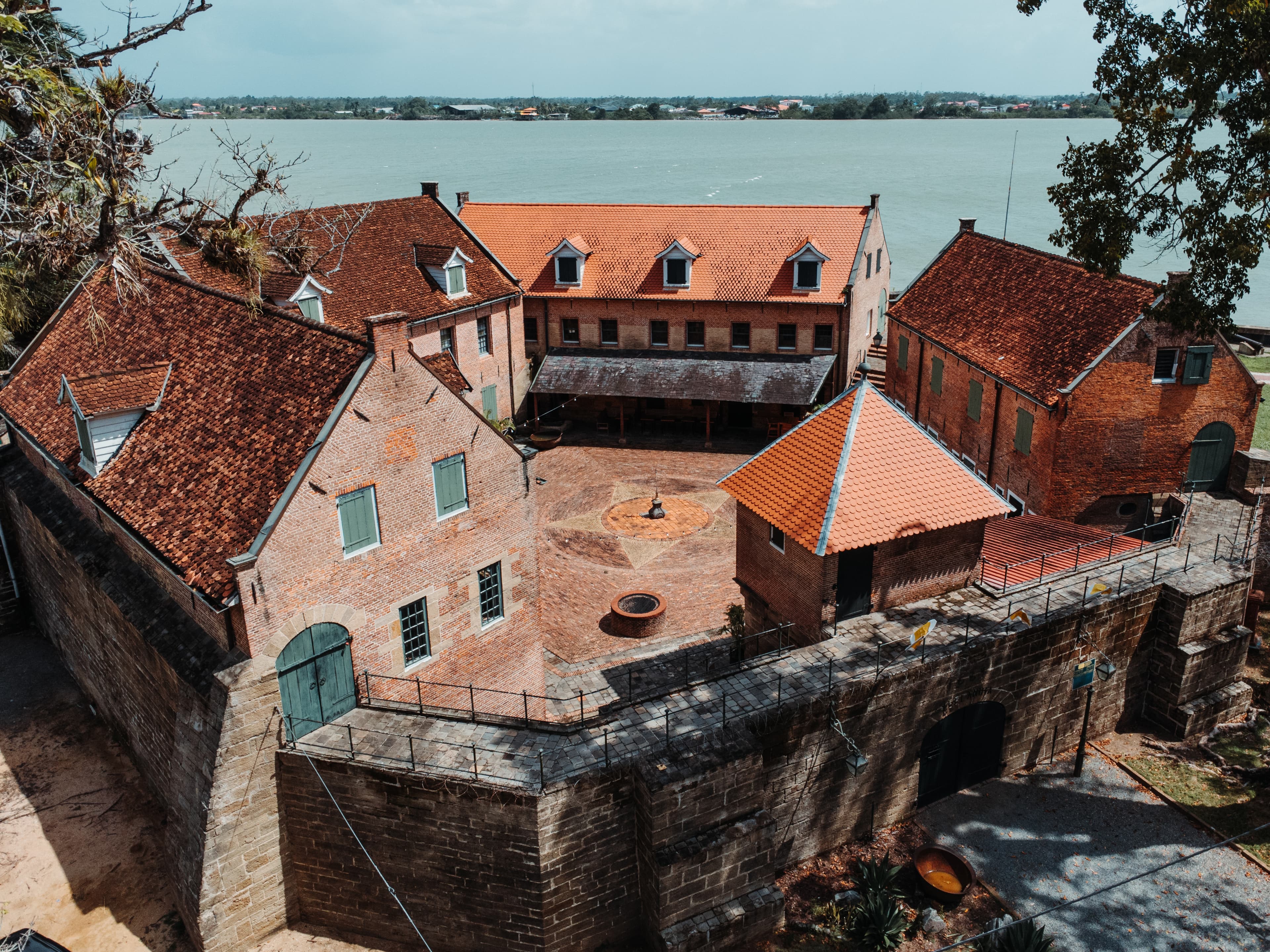
Suriname is the odd one out among CARICOM's mostly English-speaking, mostly Commonwealth members: a former Dutch colony, independent since 1975, where Dutch is the official language and Sranan Tongo the everyday lingua franca. Its capital, Paramaribo, is a UNESCO World Heritage city of wooden Dutch colonial buildings on the Suriname River; beyond the narrow coastal strip where most people live, the country is over 90% Amazon rainforest, rivers and Maroon and Indigenous villages, among the least densely populated and most forested countries on Earth.
Capital
Paramaribo
Population
≈634,000–654,000 (2025–2026 estimate)(CIA World Factbook / Worldometer)
Area
≈163,820 km² (by far the largest CARICOM country by area, though one of the smallest by population)
Independence
25 November 1975, from the Netherlands
Independence Day falls on 25 November each year. Next marked in 71 days, 51 years on.
Coordinates
5.85°N, 55.20°W(view on Google Maps)
Languages
Dutch (official), Sranan Tongo (widely spoken lingua franca), Sarnami Hindustani, Javanese, Saramaccan and other heritage and Maroon languages also spoken
Currency
Surinamese dollar (SRD), not pegged, and has depreciated significantly against the US dollar in recent years; an IMF-backed programme has brought inflation down from double digits but the exchange rate remains volatile
Median age
≈28.9 years (Worldometer, 2026 estimate) to ≈32.3 years (CIA World Factbook, 2025 estimate), depending on source
Age structure
0–14 years: ≈22.5%. 15–64 years: ≈70%. 65 years and over: ≈7.5%. (CIA World Factbook, 2025 estimate)
Ethnic composition
Hindustani (East Indian descent) ≈27.4%, Maroon ≈21.7%, Creole ≈15.7%, Javanese ≈13.7%, mixed ≈13.4%, other/unspecified ≈8.2%(2012 census)
Government
Presidential republic. The President is both head of state and head of government, elected by the National Assembly. Suriname is not a Commonwealth realm.
Where people live
Roughly two-thirds of the population lives on the narrow coastal strip, especially in and around Paramaribo. The vast interior, most of the country's land area, is covered in rainforest and sparsely populated by Maroon communities (descended from escaped enslaved Africans) and Indigenous villages, reachable mainly by river or small aircraft.
Cost of living
Rent, 1BR, ordinary local market
≈US$200–350/month outside central Paramaribo
Rent, 1BR, marina / tourist areas
≈US$350–650/month in central Paramaribo, up to US$700–1,000+ for newer furnished or expat-oriented units
Groceries, one person
≈US$150–250/month for basics; local produce, rice and fish are cheap, imports cost more
Utilities, small apartment
≈US$20–60/month for electricity without heavy AC, ≈US$60–140+/month with regular AC, plus roughly US$5–15/month water and US$2–10/month cooking gas
Inexpensive restaurant meal
≈US$3–8 (pom, roti, street food)
Mid-range dinner for two
≈US$16–30, more at upscale hotel or international restaurants
Modest monthly budget, single person
≈US$800–1,200/month all-in
Comfortable monthly budget, single person
≈US$1,200–2,500/month all-in
Suriname is generally the most affordable CARICOM country for rent and local food, but treat every dollar figure here as more time-sensitive than usual: the Surinamese dollar has been volatile, and prices quoted in SRD shift with the exchange rate faster than the fixed-peg Eastern Caribbean islands. Electricity comes from a mix of the Afobaka hydroelectric dam and thermal (diesel/heavy fuel oil) generation, so it isn't uniformly cheap the way hydro-only figures might suggest. Expect real bills toward the higher end of the range with regular AC use.
Sources: Numbeo and relocation cost-of-living guides, as of August 2026. Cost-of-living figures are estimates that shift with the season and the neighbourhood; treat them as a starting point, not a quote.
Moving to Suriname
Visas, healthcare, taxes and where people settle, for anyone actually planning the move.
Visa and work permit
CARICOM nationals need the CSME Skills Certificate to live and work in Suriname without a work permit; see the CSME steps for Suriname for the process. Most other visitors get a 90-day visa-free entry after paying an online entry fee of roughly US$50, but working requires an employer-sponsored work permit, which typically takes 6 to 10 weeks to process alongside a separate residence visa.
Permanent residency
Longer stays go through a multi-step process: a Temporary Authorisation of Stay arranged before departure, then a temporary visa, then a local residence permit application, with fairly heavy documentation, legalised civil records, a police clearance and a medical certificate among them. Permanent residency, and eventually naturalisation, becomes possible after around 5 years of regular residence.
Healthcare
Academic Hospital Paramaribo (AZP) is the main public hospital, alongside private options such as Diakonessenhuis. Malaria risk is limited to the interior, but dengue and chikungunya circulate more widely, and medication stock-outs do happen, so movers on regular prescriptions should bring an extended supply. International health insurance with medical evacuation cover is strongly recommended, since specialist care thins out once you're away from Paramaribo.
Taxes
Suriname taxes residents on worldwide income and non-residents only on Suriname-sourced income, on a progressive scale with five bands running from 0% up to 38% at the top. Bracket thresholds get adjusted periodically, so check the current figures with the Suriname Tax Service before budgeting around them.
Where people settle
North Paramaribo
An affluent, spacious part of the capital, with parks and larger homes.
South Paramaribo
A busier, more commercial part of the city.
Rainville
A residential neighbourhood along the river.
Kwatta, Livorno and Beekhuizen
Quieter, more family-oriented neighbourhoods further from the centre.
Blauwgrond
Known locally for its food scene and nightlife.
Dutch is the language of government, schools and most local employers, so movers who don't speak it will find the job market and the paperwork considerably harder going.
Sources: Jarnias Cyril relocation guide, as of August 2026. Visa, residency and tax rules change: confirm current requirements with the relevant government agency before acting on them.
We can handle this for you
Visa or CSME paperwork, banking, housing, flights and everything else needed for a successful move to Suriname: this is exactly what we do every day. Reach out and we’ll walk you through every step.
Places to see
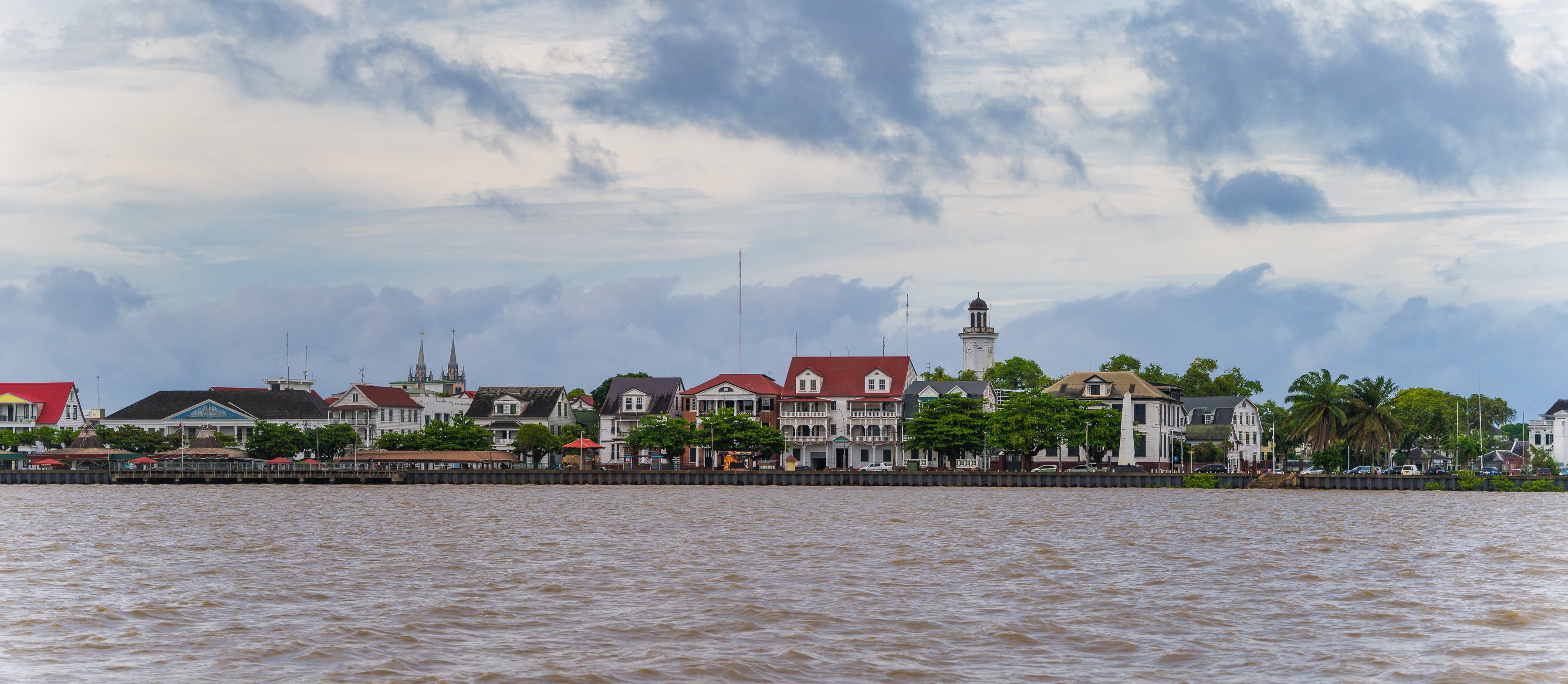
Historic Inner City of Paramaribo
A UNESCO World Heritage Site since 2002: a largely intact 17th-century Dutch colonial streetplan of wooden buildings along the Suriname River, blending Dutch, other European and Creole architectural styles.
Fort Zeelandia
Built in 1667 and the oldest surviving building in Paramaribo, now home to the Surinaams Museum, standing out as one of the district's few stone structures amid the wooden colonial buildings.
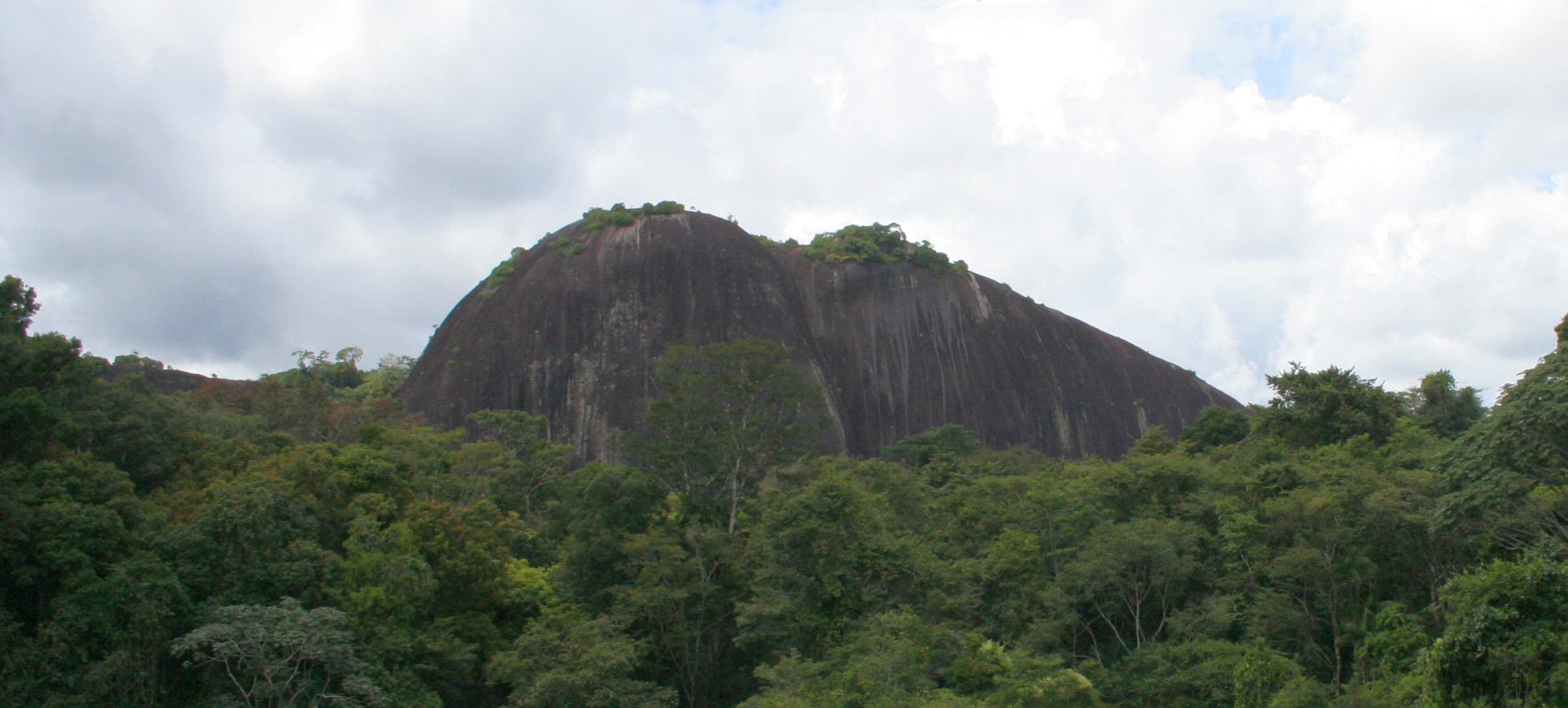
Central Suriname Nature Reserve
A UNESCO World Heritage Site protecting 1.6 million hectares of pristine rainforest in the interior: jaguars, giant river otters, harpy eagles and over 400 bird species, reached by boat and small aircraft.
Photo: Jan Willem Broekema, CC BY-SA 4.0, via Wikimedia Commons
Brownsberg Nature Park
A tabletop mountain plateau about 130km south of Paramaribo, with hiking trails, waterfalls and panoramic views over the Brokopondo Reservoir; a strong spot for birdwatching.
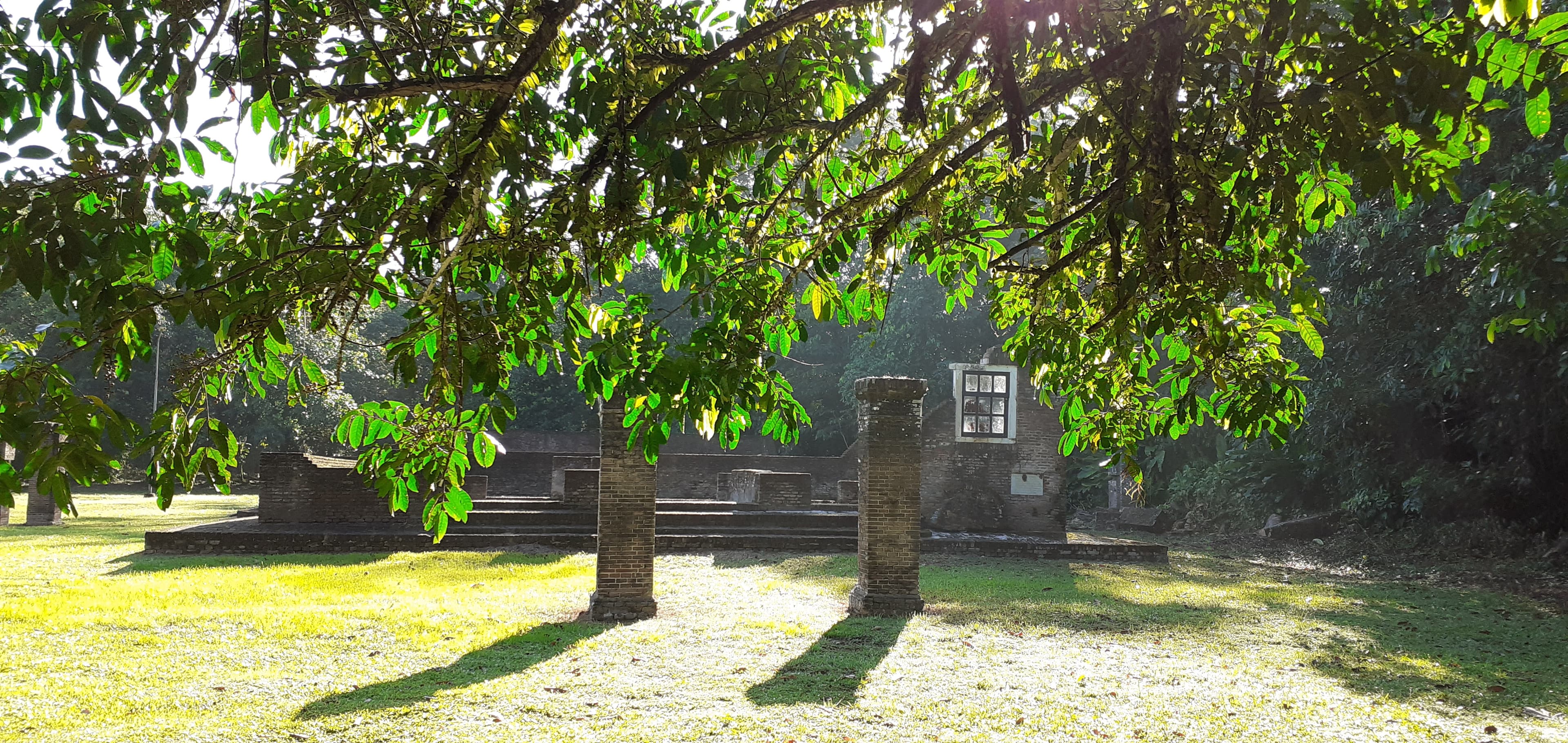
Jodensavanne
The ruins of a 17th-century Jewish settlement and one of the oldest synagogues in the Americas, on the Suriname River. Designated a UNESCO World Heritage Site in 2023.
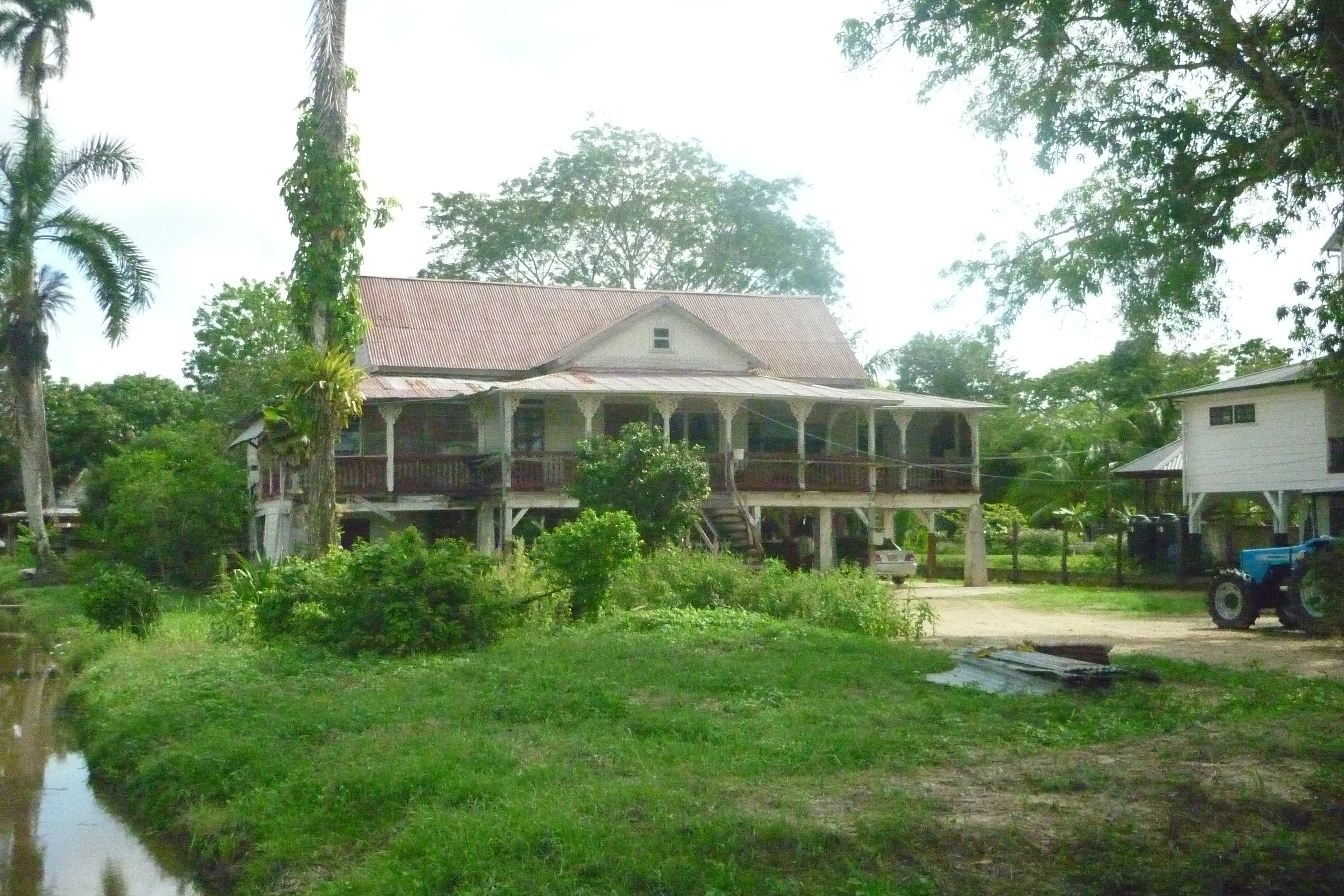
Peperpot Nature Park
A former 18th-century coffee and cocoa plantation in Commewijne, across the river from Paramaribo, now a nature reserve with monkeys, sloths and over 250 bird species alongside old plantation ruins.
Photo: Pauline van Till, CC BY-SA 3.0, via Wikimedia Commons
Galibi Nature Reserve
A coastal reserve near the mouth of the Marowijne River, among the Western Hemisphere's most important nesting sites for leatherback and other sea turtles, April to August.
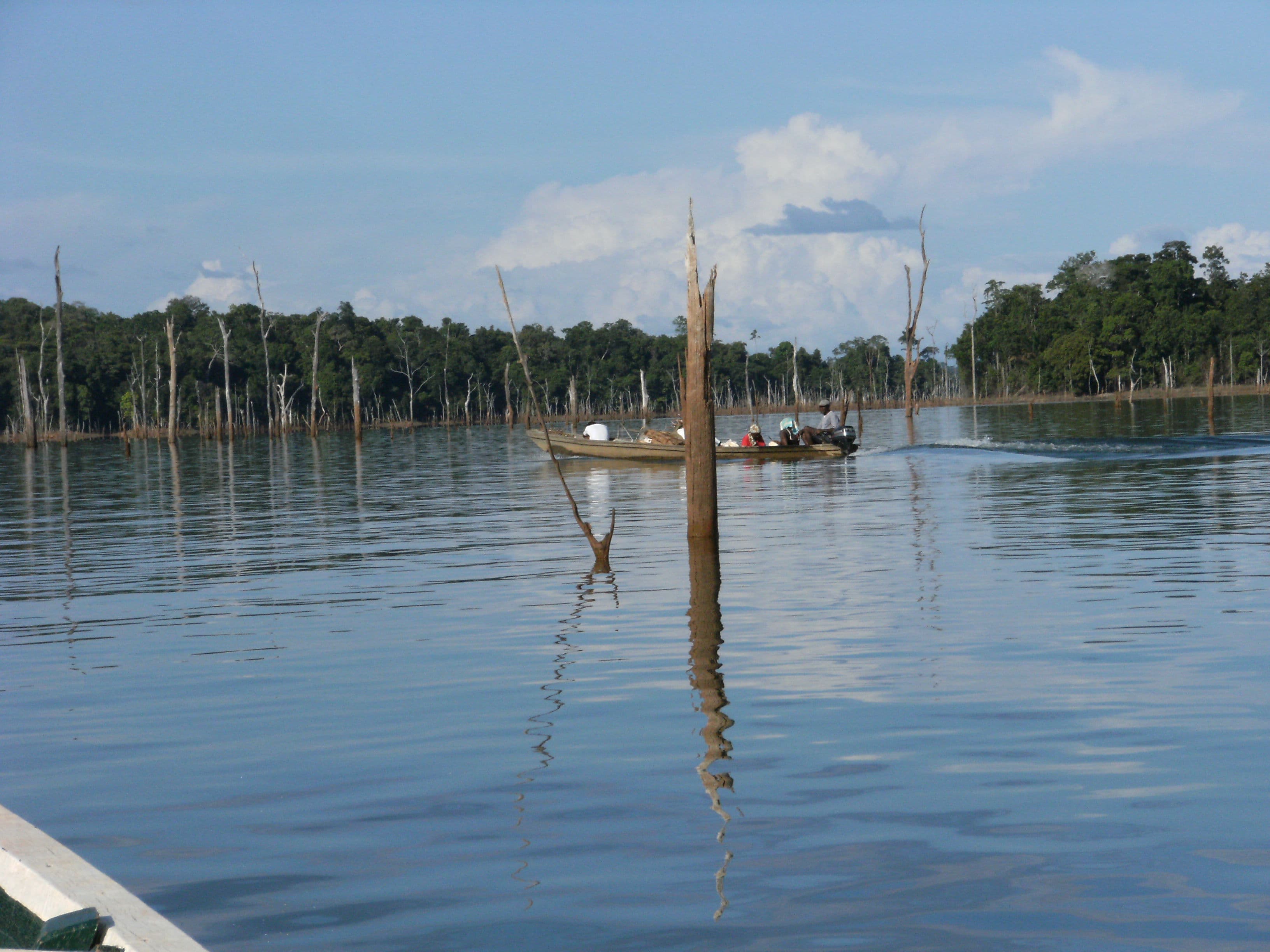
Brokopondo Reservoir
A large man-made lake formed by the Afobaka Dam, surrounded by rainforest, with drowned-forest boat trips, fishing and access to Maroon river communities.
Experiences to have
Walking Paramaribo's UNESCO historic centre
A self-guided or guided walk past the wooden colonial streetscape, the Presidential Palace, the Cathedral of St Peter and St Paul (one of the world's largest wooden buildings), and the Waterkant riverfront.
Central Suriname Nature Reserve expedition
Multi-day trips deep into pristine rainforest by boat and on foot, staying at eco-lodges: one of the least-visited, most intact rainforest experiences in South America.
River trip to a Maroon village
Boat trips up the Suriname or Commewijne rivers to visit Maroon communities descended from escaped enslaved Africans, with their own distinct culture, music and river-based way of life.
Turtle nesting at Galibi
Seasonal (April–August) night tours to watch leatherback and other sea turtles nest on the beaches near the Marowijne River mouth.
Hiking and birdwatching at Brownsberg
Trails through rainforest on the Brownsberg plateau to viewpoints over Brokopondo Reservoir, with strong odds of spotting toucans, macaws and other rainforest birds.
Local dishes to try
Pom
Suriname's best-known festive dish: grated pomtajer root baked with chicken (or fish), citrus and spices into a casserole. A Surinamese-Jewish dish now central to birthdays and celebrations across all communities. "Without the pom, there are no birthdays," as the local saying goes.
Roti
Flatbread wrapped around curried chicken, goat or potato, reflecting the large Hindustani community: a staple lunch and dinner across the country.
Nasi goreng and bami (mie goreng)
Indonesian-style fried rice and fried noodles, widely eaten thanks to Suriname's large Javanese community.
Pindasoep
A peanut soup with West African roots, often served with rice, dumplings and meat.
Best places to eat
Warung SaeriParamaribo
Javanese-Surinamese cooking (saoto soup, bakabana, nasi and bami), a long-running local favourite.
Restaurant SarinahParamaribo
Traditional Indonesian and Javanese dishes including rendang and nasi rames, one of the city's best-known Indonesian restaurants.
De GadriParamaribo, near Fort Zeelandia
Javanese and Indonesian cuisine (nasi goreng, satay, gado-gado), conveniently placed for a stop after visiting the fort.
MirossoParamaribo
A long-established, family-run Indonesian and Javanese-Surinamese restaurant.
Waterkant market stallsParamaribo riverfront
Casual food stalls along the historic riverfront serving inexpensive local plates.
Anthem, motto and pledge
National motto
“Justitia – Pietas – Fides (Latin: "Justice, Piety, Loyalty")”
National anthem
“God zij met ons Suriname ("God Be with Our Suriname")”, words by Cornelis Atses Hoekstra (original Dutch verse, 1893); Henri Frans de Ziel added a Sranan Tongo verse on unity in 1959, music by Johannes Corstianus de Puy. Adopted 1975, at independence (music composed in 1876).
Listen / read more →Suriname: frequently asked questions
How do I move to Suriname as a CARICOM national?
The CARICOM Skills Certificate (CSME) is the main route to live and work in Suriname without a work permit. See the CSME steps for Suriname for the full application process.
Do all CARICOM nationals need the certificate, or is there full free movement?
No. Four CARICOM countries have gone further than the standard CSME certificate and implemented full free movement between themselves: Barbados, Belize, Dominica, St. Vincent and the Grenadines. Nationals of those four can work in each other's countries without a certificate. Everyone else, including anyone moving to or from Suriname, still applies for the CSME Skills Certificate.
How much does it cost to visit Suriname?
Suriname is very affordable by regional standards, especially for housing and local food, one of the least expensive countries in South America and the Caribbean. A budget traveller can expect roughly US$50–90/day (guesthouse or budget hotel, local food, public transport, few tours); mid-range roughly US$100–180/day (a comfortable hotel or Airbnb, a mix of local and nicer restaurants, several guided tours); luxury US$250+/day (an upscale Paramaribo hotel or interior eco-lodge, private guides, fine dining). For a longer stay, see the cost-of-living section above for typical monthly rent.
What is the currency and do I need cash?
The currency is the Surinamese dollar (SRD), which has been volatile against the US dollar in recent years; USD is often quoted informally. USD is accepted in some tourist areas and for larger transactions, but many smaller vendors and rural spots prefer SRD. Major cards work in some hotels, larger restaurants and shops in Paramaribo, but cash is standard outside the capital and for most tours. ATMs are available in Paramaribo and a few larger towns, but limited or nonexistent in the interior, so carry enough cash before heading inland.
Do I need a visa to visit as a tourist?
Visa rules vary widely by nationality: some, including certain CARICOM and EU passport holders, may get visa-free or simplified entry, while others need to arrange a visa or e-visa in advance. You'll need a passport valid at least 6 months beyond your stay and proof of onward travel. Always confirm current rules with Suriname's Immigration Service or your nearest Surinamese embassy before travelling.
How do I get around the country?
Minibuses and taxis are common in and around Paramaribo and between major towns, inexpensive but often crowded. River boats are essential for reaching many interior communities, Maroon villages and some eco-lodges, usually arranged by a tour operator. Small domestic airlines link Paramaribo's Johan Adolf Pengel International Airport with interior airstrips, important for remote eco-tourism. Rental cars are available in Paramaribo; driving is on the left, unusually for a former Dutch colony, and a 4x4 is required for many interior roads. Guided, organised tours are the norm for Brownsberg, the Central Suriname Nature Reserve, and Maroon or Indigenous village visits, with transport, guides and permits usually included.
What are the must-do experiences in Suriname?
Explore Paramaribo's UNESCO historic inner city: Dutch colonial wooden architecture, the Waterkant riverfront, markets and historic buildings. Hike and birdwatch in Brownsberg Nature Park, with waterfalls and viewpoints over the Brokopondo Reservoir. Take a multi-day expedition into the Central Suriname Nature Reserve's pristine rainforest, or visit Maroon villages along the Suriname and Commewijne rivers. Tour former plantations in Commewijne, like Peperpot, now nature parks and heritage sites, or join a seasonal turtle nesting tour at Galibi to see leatherbacks come ashore.
What local food should I try?
Pom is Suriname's best-known festive dish: grated pomtajer root baked with chicken or fish, citrus and spices into a casserole, central to birthdays and celebrations. Also look for roti (curry chicken, goat or potato in flatbread, reflecting the Hindustani community), nasi goreng and bami (Indonesian-style fried rice and noodles, reflecting the Javanese community), and pindasoep, a West African-rooted peanut soup. Try the local eateries and street stalls in Paramaribo, the Waterkant and central market area, and the interior eco-lodges, which usually serve traditional meals.
Is Suriname safe for tourists?
Suriname can be visited safely with proper planning, but it has higher crime rates in some urban areas, particularly parts of Paramaribo. Main hotels, organised tours and interior eco-lodges are generally fine with normal precautions: avoid walking alone at night in unfamiliar urban areas, don't flash valuables, and use reputable tour operators and transport. In the interior, safety is more about logistics and health, guides, boats, wildlife, medical access, than crime. Check your government's current travel advisory and talk to your tour operator about current conditions.
What is the best time to visit?
Suriname has two dry seasons and two wet seasons rather than the single Caribbean dry/hurricane pattern. The long dry season (August–November) is often considered best overall for interior travel and wildlife; the short dry season (February–April) is also good, with more roads and trails accessible. May–July and December–January are wetter, and some roads, trails or lodges may be harder to reach or reduce operations. For Brownsberg, the Central Suriname Nature Reserve and river trips, August–November and February–April are usually best.
What should I pack?
Light, breathable clothing, with long sleeves and trousers for jungle areas to help with insects and sun. Bring sturdy, closed-toe shoes for hiking and sandals for town or riverside, plus strong insect repellent, sunscreen, a hat and sunglasses. A rain jacket or poncho and quick-dry clothes help for boat trips and rainforest. Pack a basic first-aid kit, your personal medications and hand sanitiser, since medical facilities are limited in the interior; for Brownsberg or serious hikes, add lightweight long trousers, moisture-wicking shirts and a small daypack.
Any cultural tips I should know?
Suriname is highly multicultural: Hindustani, Maroon, Creole, Javanese, mixed, Indigenous, Chinese, European and more, so respect local customs and religious practices. Dutch is official, but you'll hear Sranan Tongo, Hindi, Javanese, Chinese and Indigenous languages daily; English is spoken in many tourist contexts but not universally. Tipping 10% in restaurants is standard if a service charge isn't already included, with small tips for guides, boat captains and drivers appreciated. In the interior, life is slower and community-oriented; be patient and respectful, and follow your guide's advice on behaviour in villages and protected areas.
Thinking about moving to Suriname?
Let us help you plan the next step. Get a personalised document plan, estimated timeline and practical next steps for your destination.
Last reviewed August 2026. Cost of living figures, rents, fees and office details change, and the figures here are drawn from the named sources on this page rather than being guaranteed prices. Confirm anything you are relying on before you act on it.