Moving to Grenada
The "Spice Isle": a tri-island state built on nutmeg, and home to the world's first underwater sculpture park.
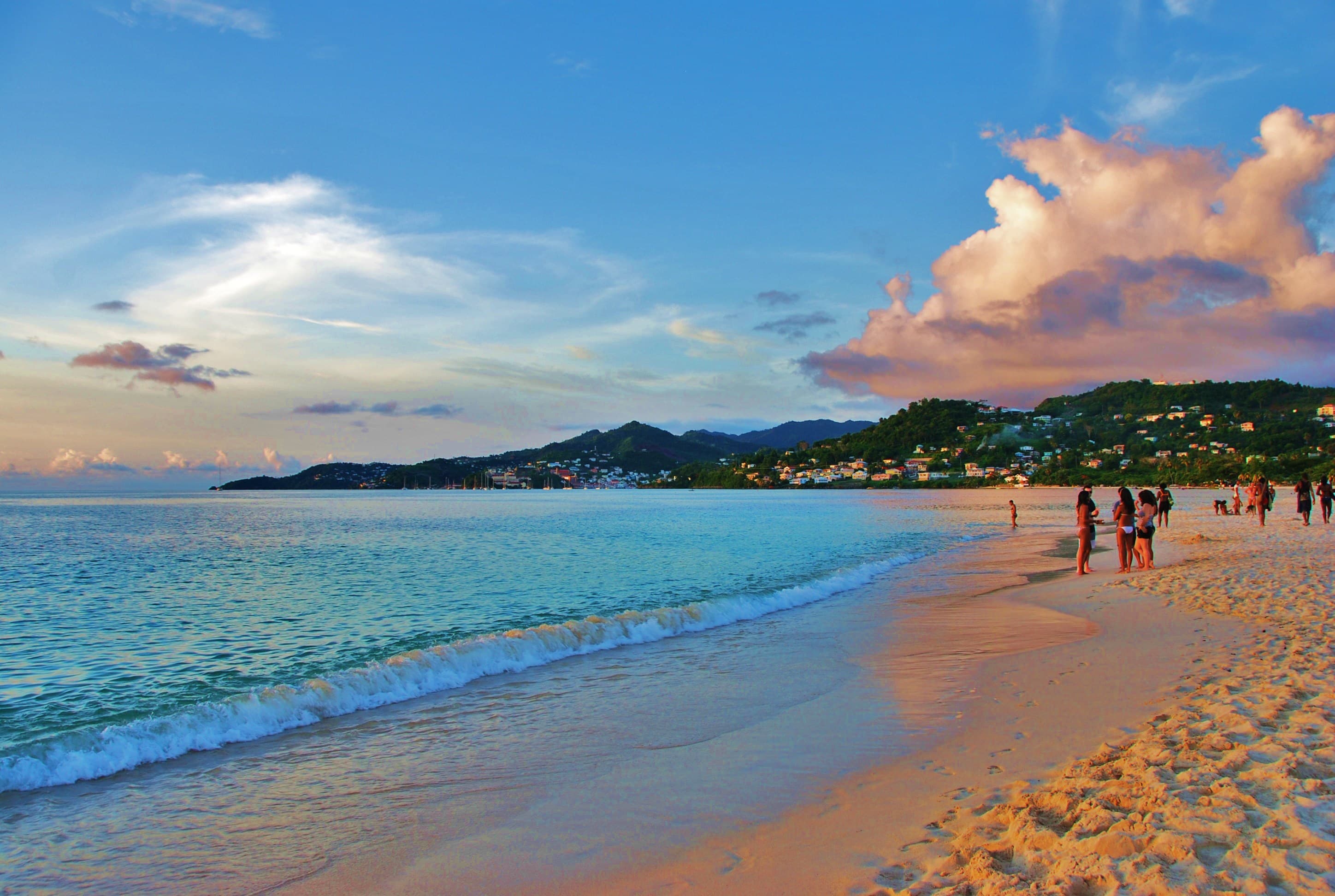
Grenada is a tri-island state (Grenada, Carriacou and Petite Martinique) long known as the "Spice Isle" for the nutmeg, mace, cocoa and cinnamon grown on its slopes; nutmeg appears on the national flag. It's also a country that has rebuilt more than once: a 1979 revolution and its violent 1983 collapse brought a brief US-led intervention, and Hurricane Ivan in 2004 destroyed 90% of the island's buildings and nearly wiped out the nutmeg industry overnight. Today it's calm, green and mountainous, with diving, waterfalls and rainforest as much a draw as its beaches.
Capital
St. George's
Population
≈114,000–117,000 (2024–2025 estimate)(Worldometer / CIA World Factbook)
Area
≈344 km² across three inhabited islands: Grenada (≈311 km²), Carriacou (≈34 km²) and Petite Martinique (≈2.4 km²)
Independence
7 February 1974, from the United Kingdom
Independence Day falls on 7 February each year. Next marked in 145 days, 53 years on.
Coordinates
12.05°N, 61.75°W(view on Google Maps)
Languages
English (official), Grenadian Creole English and French Patois widely spoken
Currency
Eastern Caribbean dollar (XCD), fixed at EC$2.70 to US$1
Median age
≈35.4 years (2025 estimate)
Outlying islands
Carriacou ≈5,700 and Petite Martinique ≈900(2011 census, most recent island-level breakdown)
Age structure
0–14 years: ≈19%. 15–64 years: ≈68%. 65 years and over: ≈13%.
Ethnic composition
African descent ≈85%, mixed ≈10%, East Indian ≈1.4%, White ≈0.9%, Indigenous (Carib/Arawak) ≈0.2%(2021 preliminary census)
Government
Parliamentary constitutional monarchy within the Commonwealth. King Charles III is head of state, represented locally by a Governor-General; a Prime Minister heads the government.
Where people live
Most people live on the main island of Grenada, in and around St. George's. Carriacou (Hillsborough its main town) lies about 40km north-east by ferry or short flight; Petite Martinique, smaller still, sits just off Carriacou.
Cost of living
Rent, 1BR, ordinary local market
≈US$435–800/month outside St. George's, or for a modest unit in town
Rent, 1BR, marina / tourist areas
≈US$800–1,800/month in St. George's, Grand Anse, True Blue or the Lance aux Epines / Westerhall south-coast corridor
Groceries, one person
≈US$250–450/month
Utilities, small apartment
≈US$80–250/month for electricity (more with regular AC) plus roughly US$10–30/month water and US$50–80/month internet
Inexpensive restaurant meal
≈US$7–12
Mid-range dinner for two
≈US$30–80, more at upscale beachfront or resort restaurants
Modest monthly budget, single person
≈US$1,300–1,800/month all-in
Comfortable monthly budget, single person
≈US$1,800–3,500/month all-in
Carriacou and the northern parishes (e.g. Sauteurs) run 50–70% cheaper than the south-coast expat corridor. A premium lifestyle (a beachfront rental near Grand Anse, frequent dining and tours) can run US$3,500–5,000+/month. Local minibuses ("reggae buses") cost roughly US$1–3 per trip; taxis run about US$1.50–3/km.
Sources: Global Citizen Solutions cost-of-living data, as of August 2026. Cost-of-living figures are estimates that shift with the season and the neighbourhood; treat them as a starting point, not a quote.
Moving to Grenada
Visas, healthcare, taxes and where people settle, for anyone actually planning the move.
Visa and work permit
CARICOM nationals need the CSME Skills Certificate to live and work in Grenada without a work permit; see the CSME steps for Grenada for the process. Grenada is also one of six OECS member states with full free movement among themselves (Antigua and Barbuda, Dominica, Grenada, St. Kitts and Nevis, Saint Lucia and St. Vincent and the Grenadines): citizens of those countries can settle here indefinitely and work without a permit at all. Visitors from a large number of other countries get a visa-free stay of up to 3 months, but anyone outside those groups taking up a job needs a Work Permit before starting, valid for a year and renewed annually through the employer.
Permanent residency
Grenada also runs a Citizenship by Investment programme: a non-refundable contribution to the National Transformation Fund starting at US$235,000, or a qualifying real estate purchase from US$270,000 held for a set period, with decisions usually taking 4 to 6 months. Grenada is the only Caribbean CBI country whose citizenship comes with US E-2 investor visa eligibility, on top of visa-free access to a wide range of other countries.
Healthcare
General Hospital in St. George's is the main public facility, though specialist care is limited and more complex cases are often referred to Barbados, Trinidad or the US. A May 2025 partnership with New York's Mount Sinai Health System is meant to build up specialist capacity locally over time. Most movers carry private insurance, from roughly US$150-300/month for a basic plan up to US$500-800/month for comprehensive cover with medical evacuation.
Taxes
Grenada taxes residents on Grenada-sourced income once someone has spent more than 183 days a year on the island; foreign income generally stays untaxed. Local income is taxed in bands: nothing on the first EC$24,000 a year, 10% up to EC$36,000, and 28% above that. There's no capital gains, inheritance, estate or wealth tax, and VAT runs 15% generally, 10% for tourism and hospitality.
Where people settle
St. George's
The capital, urban and convenient for services rather than beach-focused. Two-bedroom apartments run roughly EC$1,200-2,000/month.
Grand Anse
The main base for movers, next to its well-known stretch of beach, with the island's densest cluster of restaurants and services. Two-bedroom apartments run roughly EC$2,000-3,500/month.
True Blue
A family-oriented area near the International School of Grenada. Three-bedroom houses run roughly EC$3,000-5,000/month.
Lance aux Épines
An upscale southern peninsula with marina facilities. Three-bedroom villas run roughly EC$5,000-10,000/month.
Morne Rouge and the north (Sauteurs and nearby villages)
Quieter and 20-30% cheaper than the south-coast corridor, at the cost of fewer nearby services.
Sources: Expat.com and Henley & Partners (Grenada Citizenship by Investment), as of August 2026. Visa, residency and tax rules change: confirm current requirements with the relevant government agency before acting on them.
We can handle this for you
Visa or CSME paperwork, banking, housing, flights and everything else needed for a successful move to Grenada: this is exactly what we do every day. Reach out and we’ll walk you through every step.
Places to see
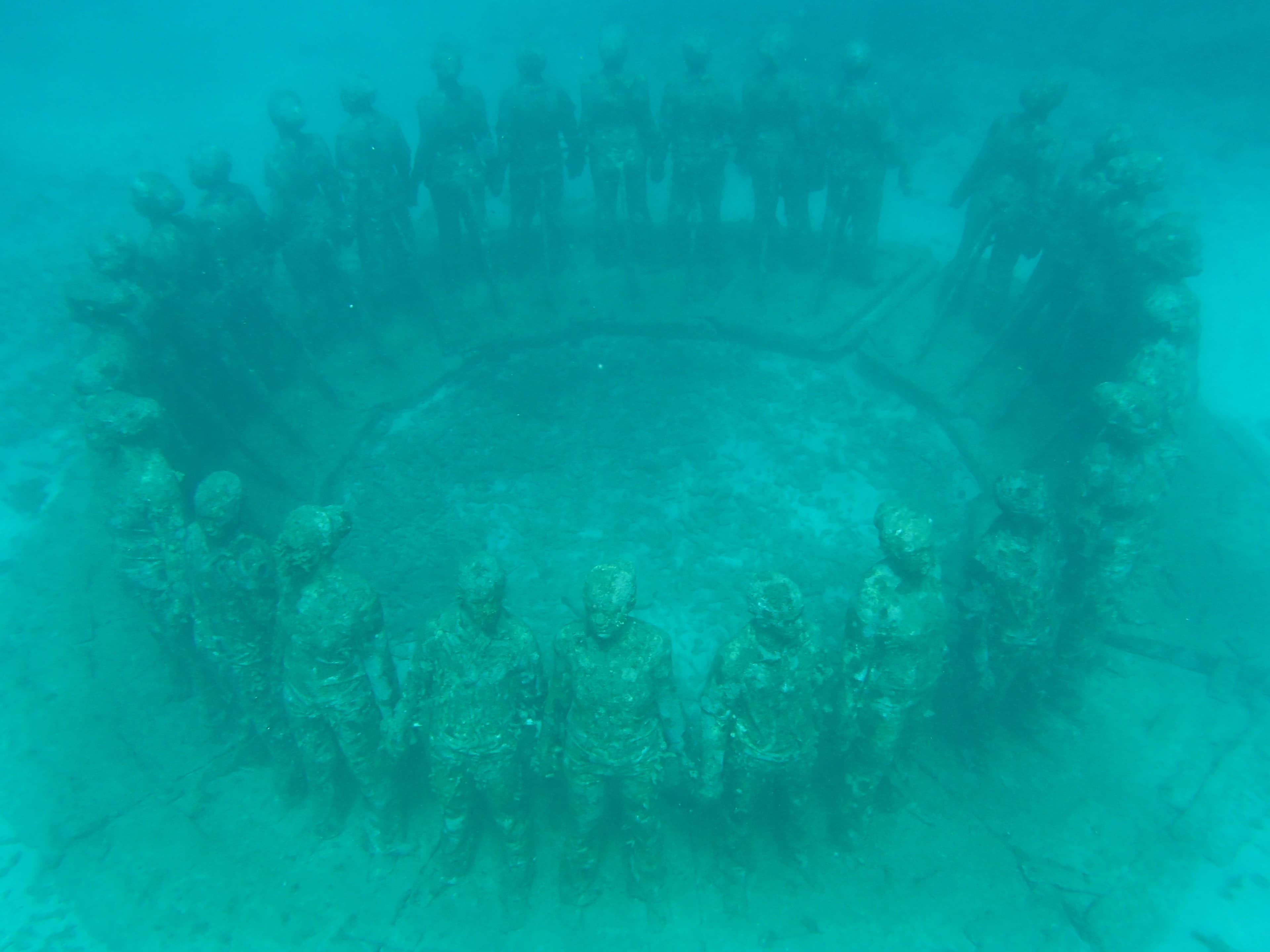
Molinere Underwater Sculpture Park
The world's first underwater sculpture park (opened 2006), with more than 80 submerged works by Jason deCaires Taylor slowly becoming an artificial reef.
Grand Anse Beach
Grenada's best-known beach: two miles of soft white sand, calm water, and restaurants and bars along the shore.
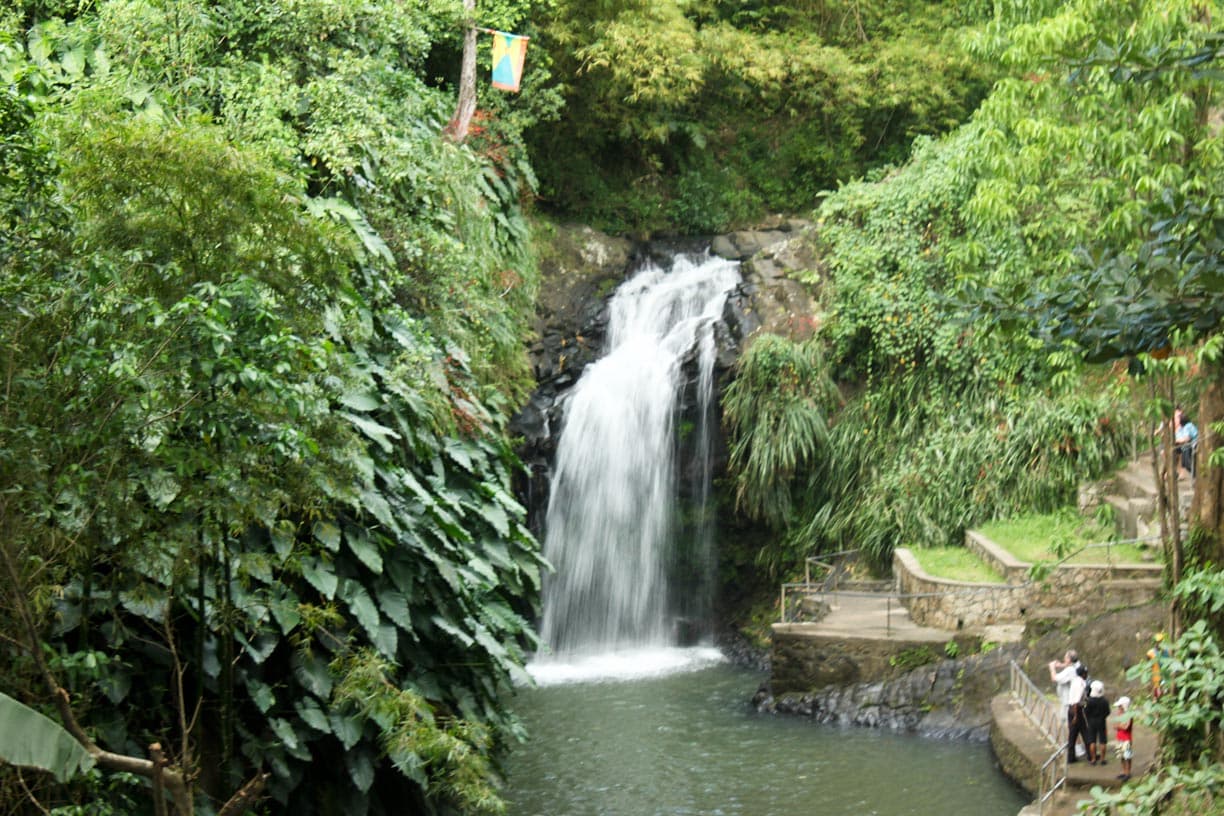
Annandale Falls
An easily reached waterfall in lush tropical grounds, good for swimming and photos.
Grand Etang National Park
A rainforest park built around a crater lake, with trails from 15-minute strolls to multi-hour treks through the misty central highlands.
Seven Sisters Waterfalls
A series of seven connected waterfalls and natural swimming pools in Grand Etang National Park, reached by a moderate rainforest hike of about an hour each way.
River Antoine Rum Distillery
Operating since 1785 and still turning a water wheel, the oldest functioning water-driven distillery in the Caribbean.
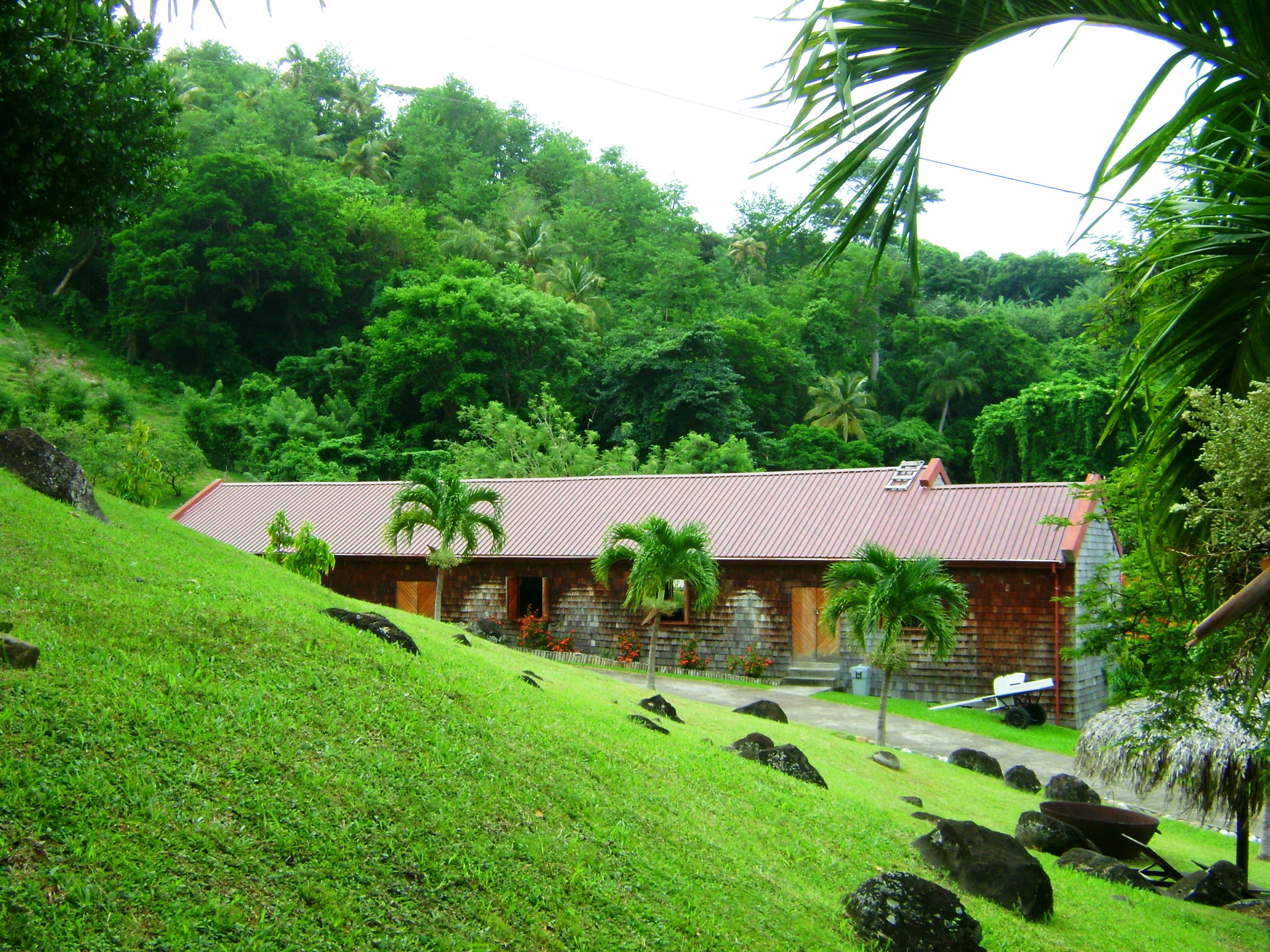
Belmont Estate
A 17th-century plantation turned working organic cocoa farm, with tours through the chocolate-making process.
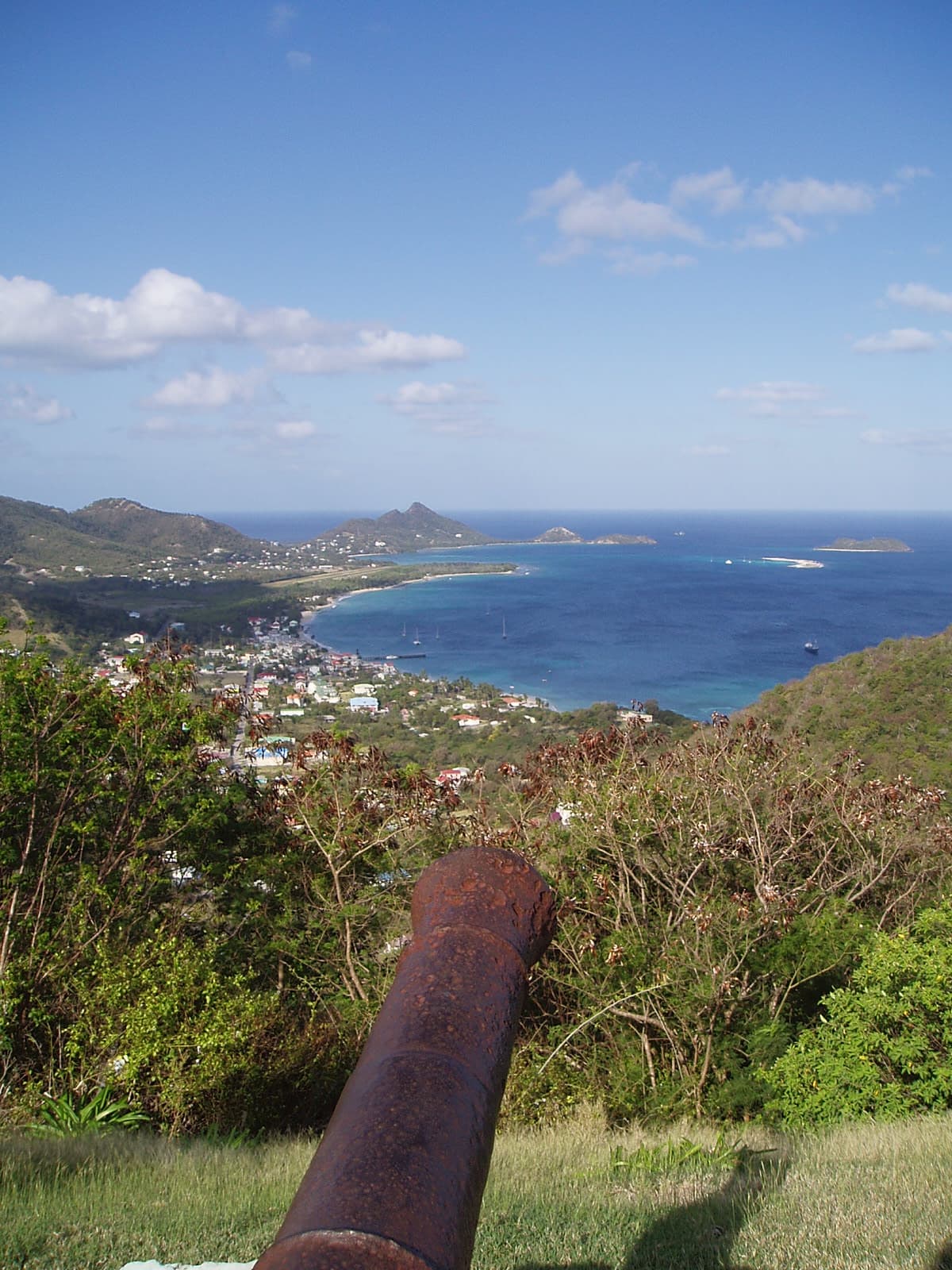
Carriacou
Grenada's larger sister island, quieter and less developed: Hillsborough town, boatbuilding traditions, and its own set of beaches and dive sites.
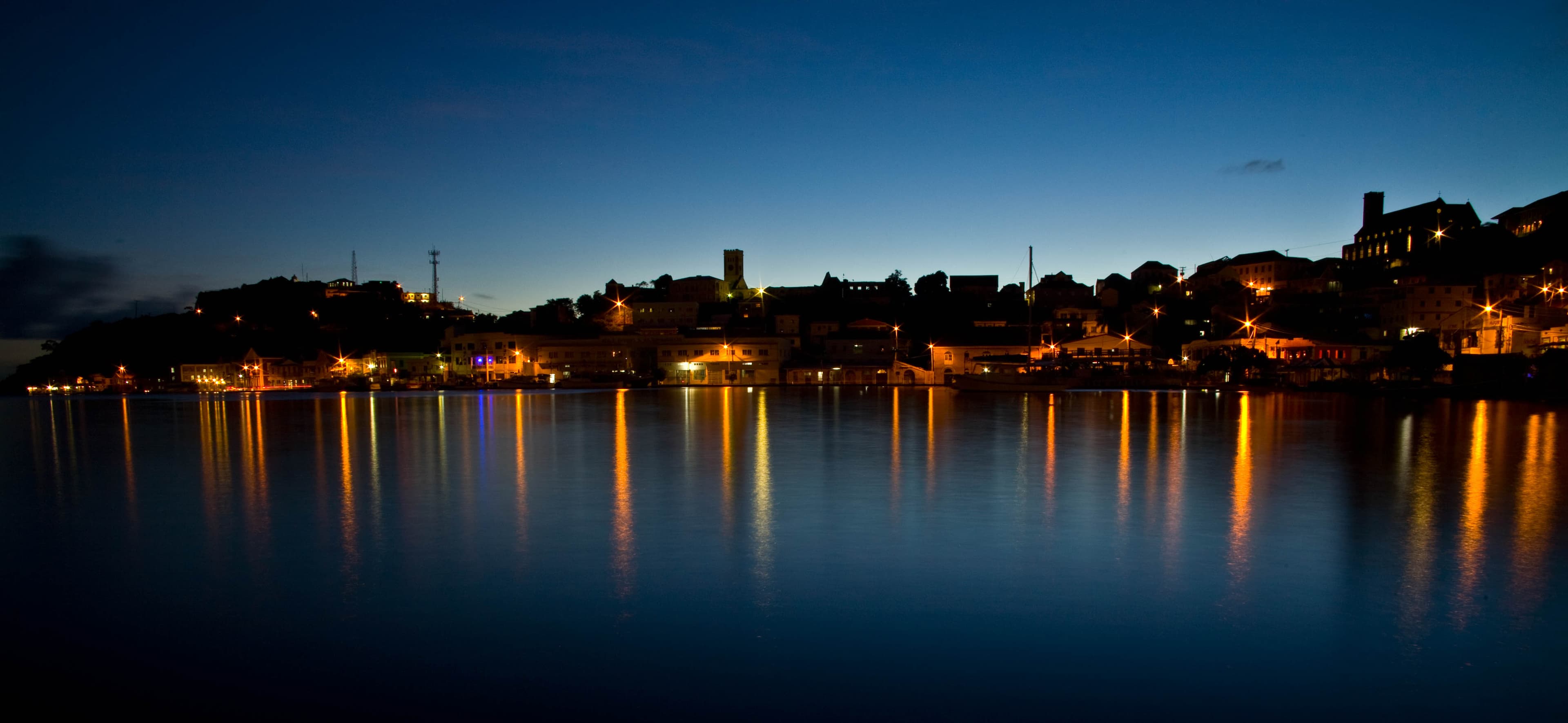
The Carenage & Fort George
St. George's horseshoe-shaped historic harbour, ringed by colourful buildings and restaurants, overlooked by Fort George, an 18th-century fort with panoramic views over the capital.
Photo: Ramakrishna Reddy Yekulla, CC BY-SA 3.0, via Wikimedia Commons
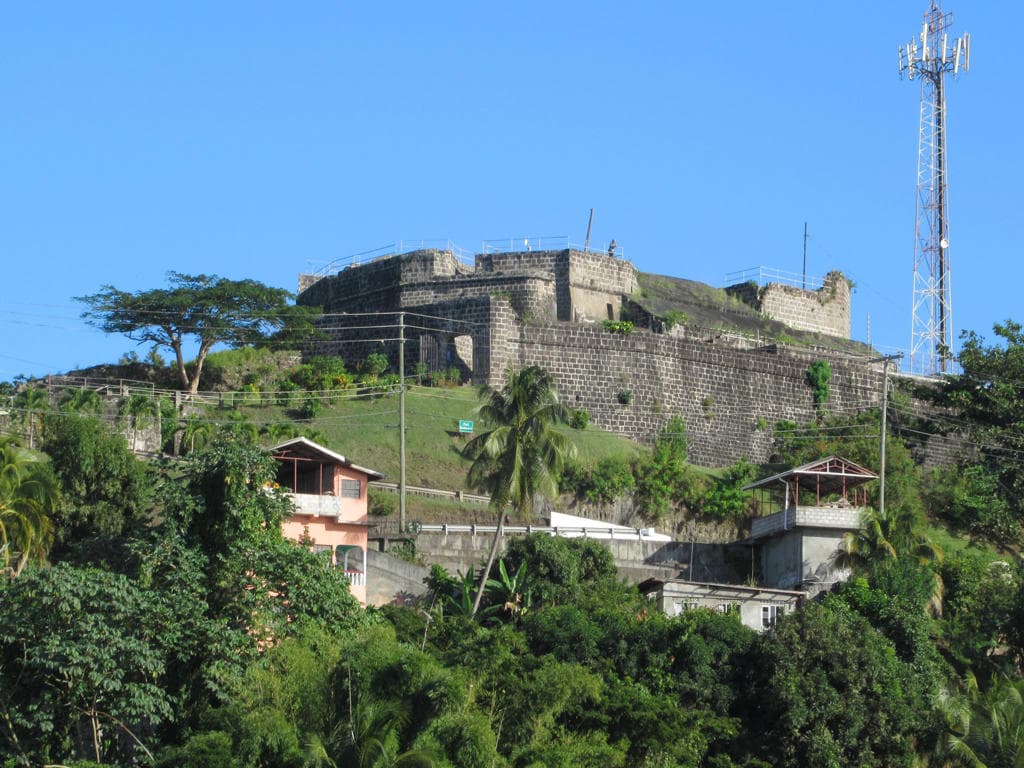
Fort Frederick
A well-preserved fort completed in 1783, nicknamed the "backward-facing fort" since its cannons point inland rather than out to sea. It served as PRA headquarters during the 1979 revolution, and offers wide views over the Carenage from 244m up.
Experiences to have
Spicemas Carnival
Grenada's carnival, centred on St. George's in early August after a season that builds from May: soca, costume bands and street parades.
Diving the Bianca C wreck
A 180-metre former passenger liner that sank in 1961, now one of the largest diveable shipwrecks in the Caribbean, for experienced divers only given its depth.
Snorkelling the Underwater Sculpture Park
Shallow enough for snorkellers, not just divers, to see the sculptures up close.
Nutmeg and spice plantation tours
Visits to working spice estates to see how nutmeg, mace and cocoa are grown and processed, the industry that gave Grenada its nickname.
Carriacou Maroon & String Band Music Festival
An April festival on Carriacou celebrating traditional Caribbean music and harvest celebrations.
A day trip to Carriacou
By ferry or short flight, for a quieter island with its own beaches, diving and boatbuilding culture.
Local dishes to try
Oil down
Grenada's national dish: breadfruit, coconut milk, callaloo, dumplings and salted meat or fish, slow-cooked in one pot until the coconut oil rises. Traditionally made as a communal, all-day beach cookout.
Callaloo soup
A soup built on callaloo (dasheen leaf), a staple ingredient in Grenadian cooking.
Lambi (conch)
Conch meat, marinated and tenderised with local spices: grilled, stewed, or added to a seafood oil down.
Crab back
Seasoned crab meat served stuffed back into its shell.
Best places to eat
Patrick's Local Homestyle RestaurantSt. George's
Grenadian food tapas-style: oil down, callaloo soup, ginger pork and fish cakes, all in small plates.
Umbrella's Beach BarGrand Anse Beach
A women-run beach bar serving fresh, locally-sourced seafood on the sand.
The AquariumMagazine Beach
Beachfront dining ranging from casual lunches to fine dining: grilled lobster, jerk chicken and callaloo cannelloni.
Belmont Estate restaurantSt. Patrick
On-site dining at the working cocoa plantation, serving local dishes alongside estate-grown chocolate and spices.
Anthem, motto and pledge
National motto
“Ever Conscious of God, We Aspire, Build and Advance as One People”
National anthem
“Hail Grenada”, words by Irva Merle Baptiste-Blackett, music by Louis Arnold Masanto. Adopted 1974, at independence.
Listen / read more →National pledge
I pledge allegiance to my flag and to the country for which it stands, with Liberty, Justice and Equality for all. I pledge also that I shall defend and uphold the Honour, Dignity and Laws and Institutions of my country.
Source: Government of Grenada (gov.gd)
Grenada: frequently asked questions
How do I move to Grenada as a CARICOM national?
The CARICOM Skills Certificate (CSME) is the main route to live and work in Grenada without a work permit. See the CSME steps for Grenada for the full application process.
Do all CARICOM nationals need the certificate, or is there full free movement?
No. Four CARICOM countries have gone further than the standard CSME certificate and implemented full free movement between themselves: Barbados, Belize, Dominica, St. Vincent and the Grenadines. Nationals of those four can work in each other's countries without a certificate. Everyone else, including anyone moving to or from Grenada, still applies for the CSME Skills Certificate.
How much does it cost to visit Grenada?
Grenada is moderate to upper-moderate by Caribbean standards; Carriacou and Petite Martinique are quieter and can be cheaper for a simple stay. A budget traveller can expect roughly US$90–140/day (guesthouse or budget hotel, local food, public transport, few tours); mid-range roughly US$180–300/day (a comfortable hotel or Airbnb, a mix of local and nicer restaurants, several tours); luxury US$450+/day (upscale resort or boutique hotel, fine dining, private tours). For a longer stay, see the cost-of-living section above for typical monthly rent.
What is the currency and do I need cash?
The currency is the Eastern Caribbean dollar (XCD), fixed at EC$2.70 to US$1. US dollars are widely accepted in tourist areas, though change may come back in XCD. Major cards work in many hotels, restaurants and larger shops, but smaller vendors, markets and rural spots often prefer cash. ATMs are available in St. George's, Grand Anse and a few other towns, but limited on Carriacou and Petite Martinique.
Do I need a visa to visit as a tourist?
Many nationalities, including the US, UK, Canada, the EU and CARICOM, can enter visa-free for short stays, often up to 90 days, with a valid passport and proof of onward travel. Always confirm current rules with the Grenada Immigration Department or your nearest embassy before travelling.
How do I get around the island?
Inexpensive local buses connect St. George's with most parishes, though schedules can be informal. Taxis are readily available at the airport, cruise port and major hotels; agree the fare in advance. Rental cars are available at the airport and in St. George's; driving is on the left, and roads are generally good but narrow and hilly. Ferries and boats run to Carriacou and Petite Martinique; check schedules ahead, as they vary.
What local food should I try?
Oil down is the national dish: salted meat or fish, callaloo, dumplings and breadfruit, cooked in coconut milk. Also look for callaloo soup, rice and peas with stewed chicken or fish and provision (root crops), and fresh grilled fish, lobster in season and conch. Try the local cook-shops and market eateries in St. George's, beachfront restaurants along Grand Anse and Lance aux Épines, and estate restaurants like Belmont.
Is Grenada safe for tourists?
Grenada is generally considered one of the safer Caribbean destinations for tourists. Violent crime against visitors is uncommon; petty theft can occur, especially on beaches or in crowded areas. Use normal precautions: don't leave valuables in cars or on the beach, avoid poorly lit areas at night, and secure belongings in your accommodation. Check your government's current travel advisory before you go.
What is the best time to visit?
December to April is the dry, sunny, busiest and most expensive stretch. May–June and November are shoulder season: good weather, fewer crowds, better deals. July–October is rainier and more humid with higher hurricane risk, and some tours may be limited. For beach time, hiking and diving with reliable weather, aim for December–April or May–June.
What should I pack?
Light, breathable clothing, swimwear, sandals and sturdy shoes for waterfall hikes, plus sunscreen, a hat, sunglasses and insect repellent. A light rain jacket or poncho helps, especially in the wetter months. Bring something a little more modest if you'll visit a church or formal venue, and clothes you don't mind getting a bit dirty or damp if you're visiting a spice estate or hiking.
Any cultural tips I should know?
Grenadians are generally warm and polite; a friendly greeting before asking a question is appreciated. Dress is casual but neat, with modest attire expected in churches and some villages. Tipping 10–15% in restaurants is standard if a service charge isn't already included, with small tips for taxi drivers and tour guides welcome. Sunday is traditionally quiet, with some shops and services on reduced hours.
Thinking about moving to Grenada?
Let us help you plan the next step. Get a personalised document plan, estimated timeline and practical next steps for your destination.
Last reviewed August 2026. Cost of living figures, rents, fees and office details change, and the figures here are drawn from the named sources on this page rather than being guaranteed prices. Confirm anything you are relying on before you act on it.