Moving to Belize
The only English-speaking CARICOM country in Central America: the world's second-largest barrier reef alongside Maya ruins and rainforest.
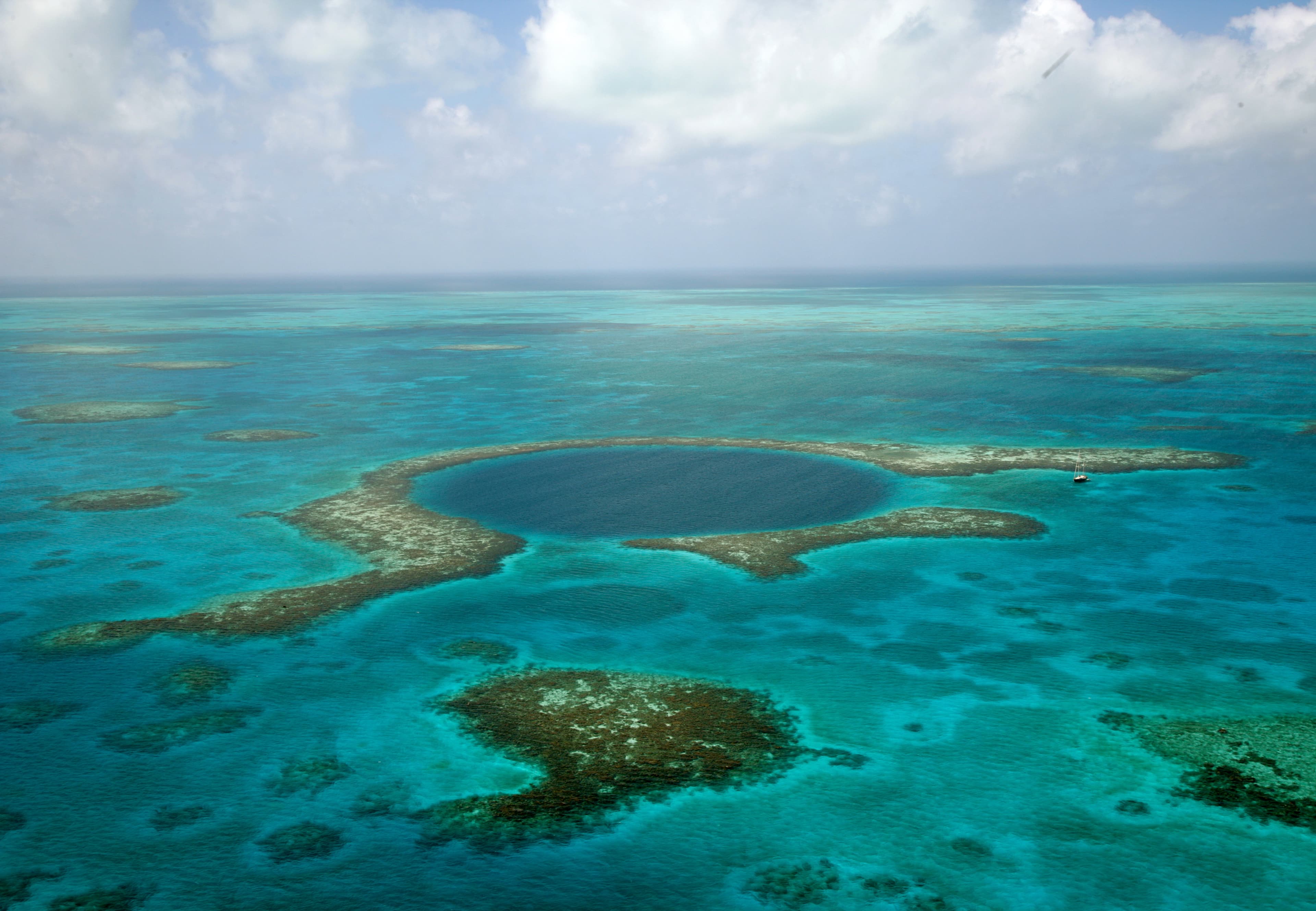
Belize is the only fully Central American member of CARICOM, and the only one with English as its official language. It's a dual destination: the Belize Barrier Reef and its cayes for diving and snorkelling, and Maya ruins, caves and rainforest inland, a mix of marine and jungle that few CARICOM countries can offer.
Capital
Belmopan, a small, purpose-built inland capital. Belize City, the former capital, remains the largest city and main commercial hub.
Population
≈422,000–429,000 (2025–2026 estimate)(Worldometer / UN-based estimates)
Area
≈22,966 km² (much larger than any other CARICOM member except Guyana and Suriname, since Belize is mainland Central America, not an island)
Independence
21 September 1981, from the United Kingdom
Independence Day falls on 21 September each year. Next marked in 6 days, 45 years on.
Coordinates
17.19°N, 88.50°W(view on Google Maps)
Languages
English (official), Spanish (widely spoken), Belize Kriol, Maya languages (Yucatec, Mopan, Q'eqchi'), Garifuna
Currency
Belize dollar (BZD), fixed at BZ$2 to US$1. US dollars are widely accepted in tourist areas.
Median age
≈27–28 years (young relative to most CARICOM members)
Age structure
0–14 years: ≈26–28%. 15–64 years: ≈66–69%. 65 years and over: ≈5–6%.
Ethnic composition
Mestizo ≈53%, Creole ≈26%, Maya (combined groups) ≈11%, Garifuna ≈6%, East Indian ≈4%, Mennonite ≈4%, White, Asian and other small percentages(CIA World Factbook (2010 census, most recent available))
Government
Parliamentary constitutional monarchy within the Commonwealth. King Charles III is head of state, represented locally by a Governor-General; a Prime Minister heads the government.
Where people live
The largest population centre is Belize City. Inland towns like San Ignacio (Cayo), Orange Walk and Corozal are growing, while coastal towns and the cayes (Ambergris Caye's San Pedro, Caye Caulker, Placencia) are more tourism-oriented. Belize also receives immigration from neighbouring Central American countries.
Cost of living
Rent, 1BR, ordinary local market
≈US$400–700/month in mainland towns (Belize City, San Ignacio, Belmopan) for an ordinary local unit
Rent, 1BR, marina / tourist areas
≈US$800–1,500+/month on the tourist cayes (San Pedro on Ambergris Caye, Caye Caulker, Placencia)
Groceries, one person
≈US$200–350/month
Utilities, small apartment
≈US$125–300/month for electricity, water and garbage (heavy air conditioning pushes this higher), plus roughly US$50–80/month for home internet where available
Inexpensive restaurant meal
≈US$5–12 (rice and beans with chicken or fish, fry jacks, street stalls)
Mid-range dinner for two
≈US$30–60, more at upscale beachfront or resort restaurants
Modest monthly budget, single person
≈US$1,200–1,800/month all-in (modest rental, local food, limited AC, public transport)
Comfortable monthly budget, single person
≈US$1,800–3,500/month all-in (good location, some dining out, AC, regular transport)
Belize is generally cheaper than the Caribbean islands, but costs vary sharply between mainland towns and the tourist cayes: a beachfront rental on Ambergris Caye or Placencia can run US$3,500–6,000+ a month all-in. A local bus fare runs roughly US$1–3, with fuel around US$1.30–1.70 per litre.
Sources: Numbeo and rental listings and expat relocation guides (typical mainland and caye figures), as of August 2026. Cost-of-living figures are estimates that shift with the season and the neighbourhood; treat them as a starting point, not a quote.
Moving to Belize
Visas, healthcare, taxes and where people settle, for anyone actually planning the move.
Visa and work permit
Belize is one of the four CARICOM countries that have moved past the standard CSME certificate to full free movement: nationals of Belize, Barbados, Dominica and St. Vincent and the Grenadines can settle and work in each other's countries without any extra application. Other CARICOM nationals still need the CSME Skills Certificate; see the CSME steps for Belize for that process. Most non-CARICOM visitors get 30 to 90 days visa-free depending on nationality, but taking up a job requires a work permit sponsored by a Belizean employer, applied for through the Immigration Department.
Permanent residency
Permanent residence requires at least 1 year of legal residence in Belize before you apply, during which you can't have been out of the country for more than 14 days in total, plus a clean record (no conviction carrying a possible sentence of 12 months or more) and proof you can support yourself. Expect a passport showing that year-old entry stamp, a medical exam completed by a Belize-licensed doctor, a police record, bank statements and an immigration interview, with approval taking at least 3 months. Belize also runs a dedicated retirement route, the Qualified Retired Persons (QRP) programme: anyone 40 or older with at least US$2,000 a month (US$24,000 a year) coming in from outside the country can apply, and the only presence requirement is 30 consecutive days a year in Belize. QRP status also comes with duty-free import allowances for personal belongings.
Healthcare
Public clinics and hospitals handle emergencies well, and having English-speaking staff is a real advantage for newly arrived movers, but routine and specialist care thins out once you're away from Belize City. Anything more involved than a standard hospital stay often means travelling to Mexico, Guatemala or the US, so most movers pair local coverage with a policy that includes medical evacuation. Dial 911 for emergencies.
Taxes
Individual income above an exempt band of roughly BZ$26,000-29,000 a year is taxed at a flat 25%; the exact threshold shifts slightly depending on the source, so check the current figure with the Belize Tax Service before budgeting around it. QRP retirees get a further break, since approved retirement income brought in from abroad isn't taxed locally.
Where people settle
Belize City
The country's largest city and commercial hub, with the main hospitals, schools and international airport, even though Belmopan is the capital.
Ambergris Caye (San Pedro)
The busiest and most developed of the cayes, with the largest concentration of long-term movers, dive operators and restaurants.
Caye Caulker
A quieter island a short boat ride from Ambergris Caye, with a slower pace that suits retirees and remote workers who want less going on.
Placencia
A laid-back peninsula village on the southern mainland coast with a long-established community of movers.
San Ignacio
An inland Cayo District town near the Guatemalan border, used as a base for rainforest and Maya-ruin trips, and generally cheaper than the coast.
Corozal
A northern town close to the Mexican border, popular with retirees for its lower cost of living.
Sources: Expat.com and Belize Tourism Board (QRP programme, official), as of August 2026. Visa, residency and tax rules change: confirm current requirements with the relevant government agency before acting on them.
We can handle this for you
Visa or CSME paperwork, banking, housing, flights and everything else needed for a successful move to Belize: this is exactly what we do every day. Reach out and we’ll walk you through every step.
Places to see
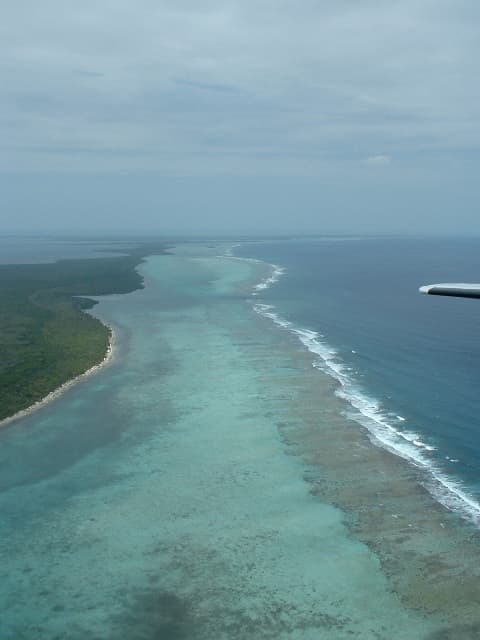
Belize Barrier Reef
The second-largest barrier reef in the world and a UNESCO World Heritage Site, running the length of the coast and around dozens of cayes.
Great Blue Hole
A giant marine sinkhole on Lighthouse Reef: a signature dive site for the certified, and a dramatic sight from a scenic flight for everyone else.
Photo: The TerraMar Project, CC BY 2.0, via Wikimedia Commons
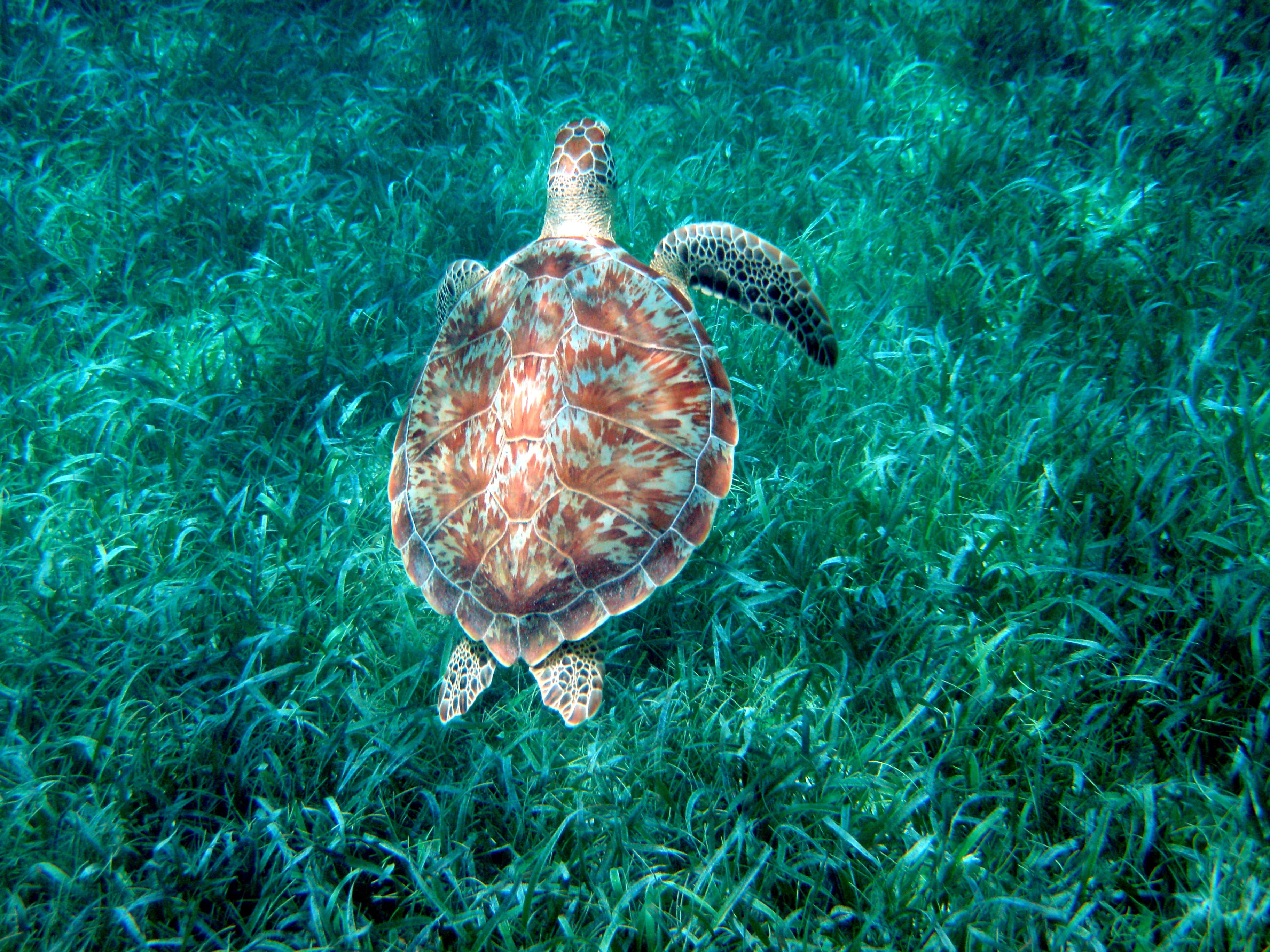
Hol Chan Marine Reserve & Shark Ray Alley
A protected reef channel near San Pedro thick with fish, turtles and rays, next to a shallow sandbar where you can swim with nurse sharks and stingrays.
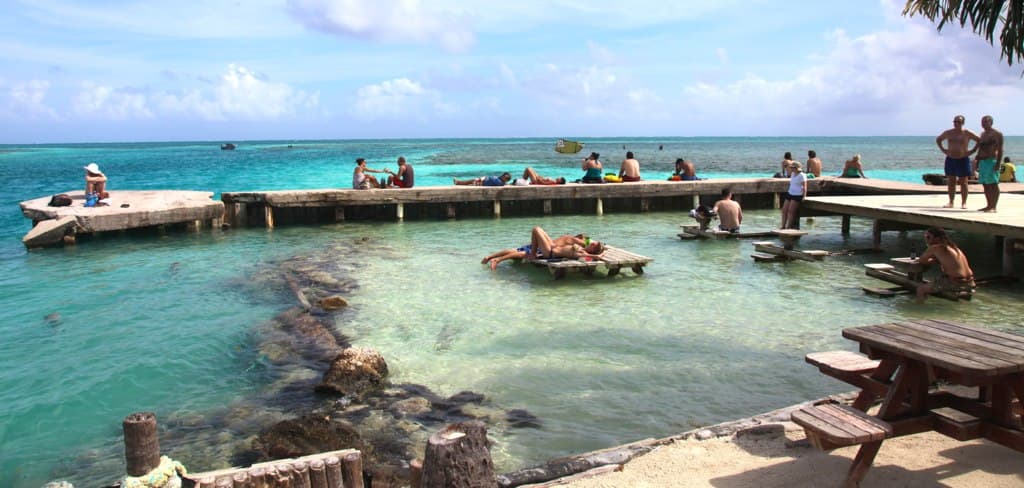
Caye Caulker
A laid-back island built around a "Go Slow" motto: golf carts instead of cars, easy snorkelling and day trips to the reef.
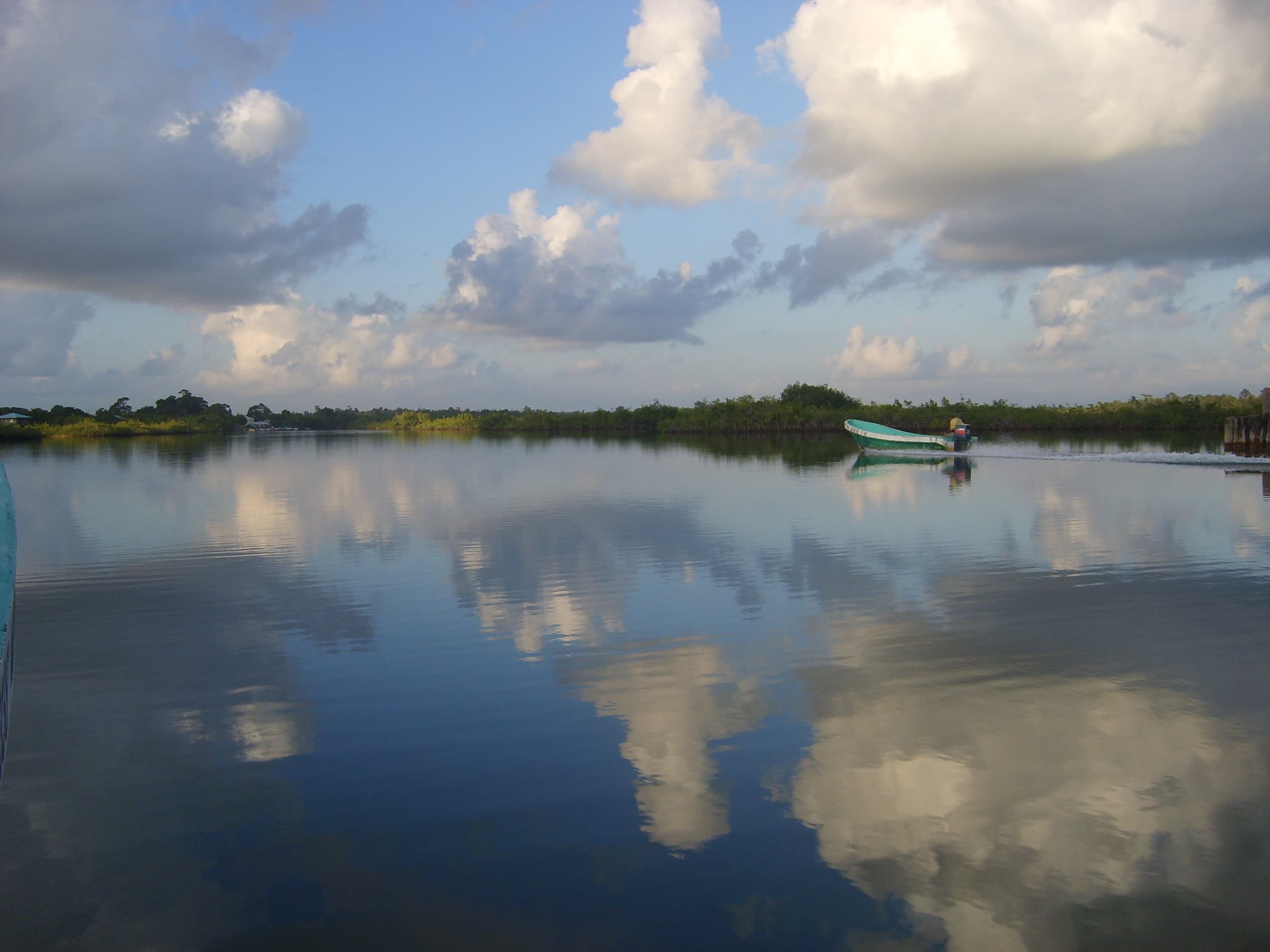
Placencia & Hopkins
Southern coastal villages with beaches, reef access, and Garifuna cultural heritage.
Actun Tunichil Muknal (ATM Cave)
A sacred Maya cave with calcified skeletal remains and ceramics still in place, reached by a jungle trek and river crossings, one of Belize's best-known adventures.
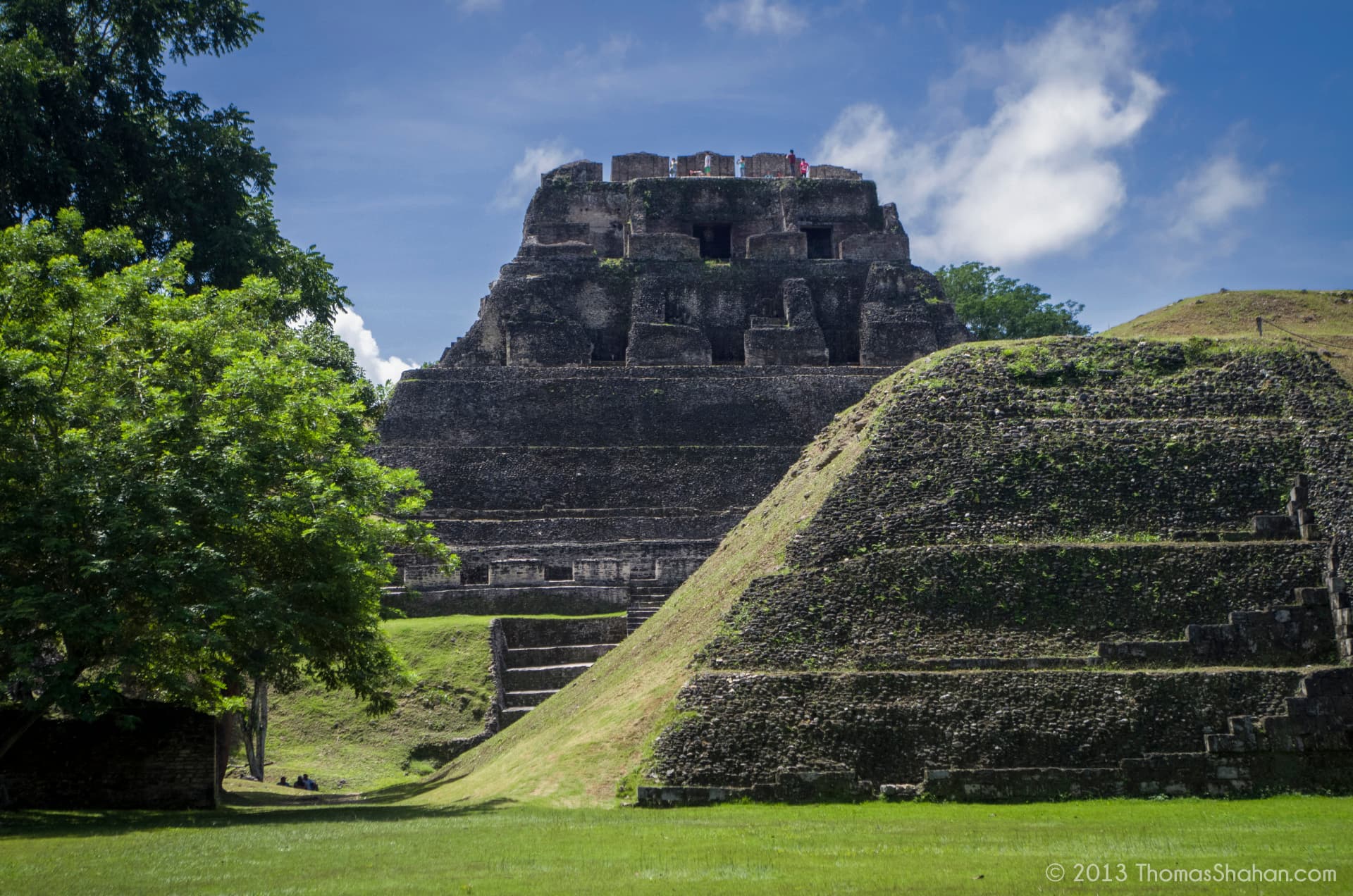
Xunantunich
A major Maya site near San Ignacio, with the climbable "El Castillo" pyramid and views into Guatemala.
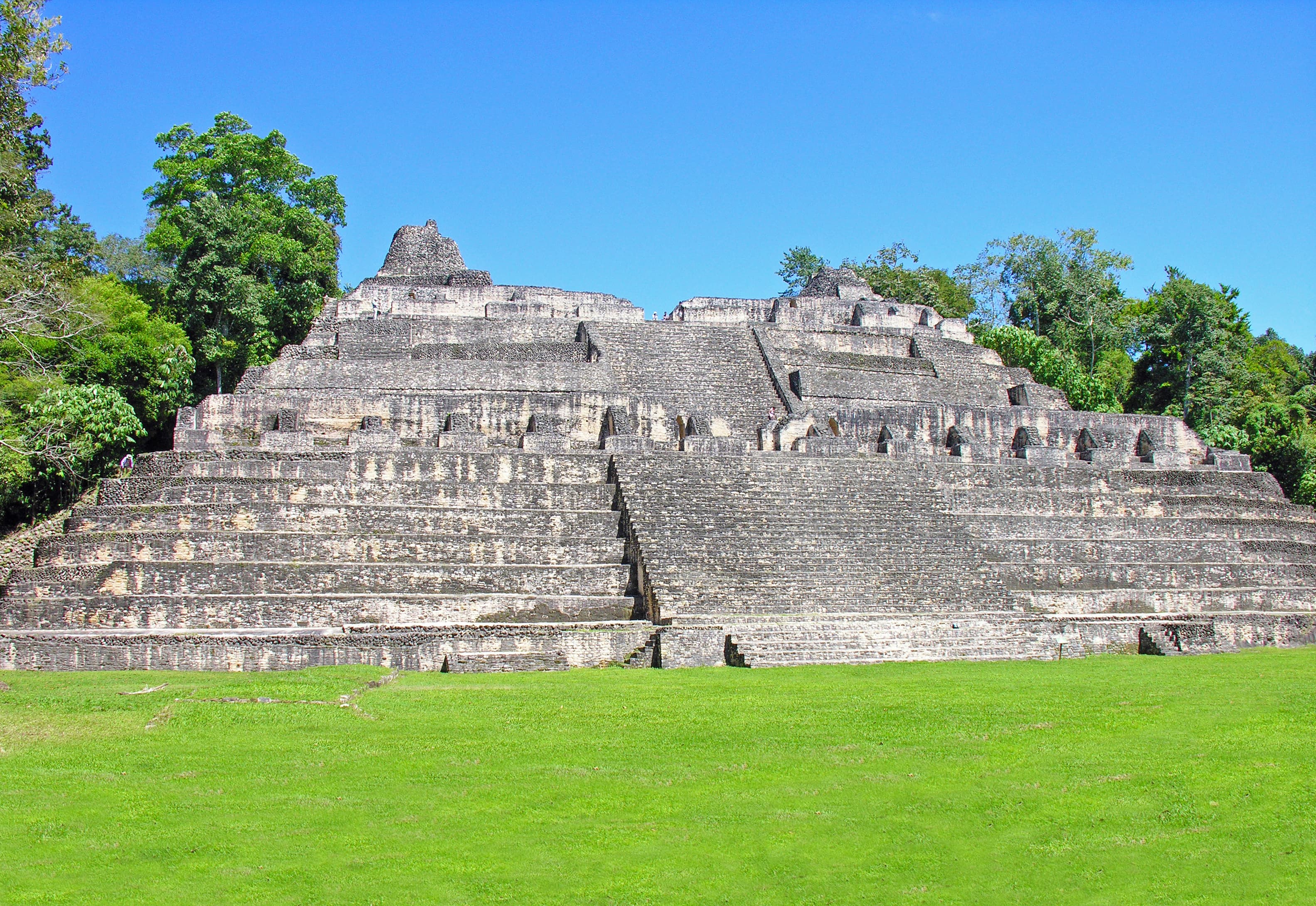
Caracol
A large, remote Maya city deep in the Chiquibul Forest, a longer drive than Xunantunich, and a more adventurous ruins visit.
Cockscomb Basin Wildlife Sanctuary
A protected reserve known for jaguar conservation, hiking trails and waterfalls.
Experiences to have
Snorkelling Hol Chan and Shark Ray Alley
Drifting through a coral channel and swimming with nurse sharks and rays in shallow water, often the top first activity for visitors.
ATM Cave expedition
A full-day trip combining jungle trekking, river crossings and cave exploration to see ancient Maya ceremonial remains in situ.
Diving or flying over the Great Blue Hole
A deep dive into the sinkhole for certified divers, or a scenic flight for a dramatic aerial view without getting in the water.
Cave tubing and jungle hikes
Floating through underground river systems in inner tubes, usually combined with a rainforest walk, commonly run as a day trip from San Ignacio or Belize City.
Garifuna cultural experiences
Drumming, dance and traditional food in Hopkins or Placencia, reflecting Belize's Afro-Caribbean Garifuna heritage.
Whale shark trips off Placencia
Seasonal (roughly March to June) boat excursions to swim with whale sharks at the Gladden Spit marine reserve.
Local dishes to try
Rice and beans with stewed chicken
The everyday Belizean staple, usually with potato salad or fried plantain on the side.
Fry jacks
Deep-fried pieces of dough served for breakfast with eggs, beans, cheese or jam.
Hudut
A Garifuna dish of mashed plantains served with fish or chicken in a coconut broth.
Panades
Fried corn masa turnovers filled with fish or beans: a Mestizo-influenced snack sold everywhere.
Conch soup and ceviche
Common coastal dishes, especially on the cayes and around Placencia and Hopkins.
Best places to eat
Elvi's KitchenSan Pedro, Ambergris Caye
A San Pedro institution since 1974, from a burger window to a full seafood restaurant: Belize Tourism Board's Restaurant of the Year in 2022.
Estel's Dine by the SeaSan Pedro, Ambergris Caye
A family-run, beachfront spot for Belizean breakfast (fry jacks, chorizo and beans) right on the sand.
The Guava Limb Restaurant & CaféSan Ignacio, Cayo District
Farm-to-table dining using produce from its own Maya Farm; widely regarded as San Ignacio's best restaurant.
Anthem, motto and pledge
National motto
“Sub Umbra Floreo ("Under the Shade I Flourish")”
National anthem
“Land of the Free”, words by Samuel Alfred Haynes, music by Selwyn Walford Young. Adopted 1981, at independence (the lyrics began as Haynes's 1929 poem "Land of the Gods").
Listen / read more →Belize: frequently asked questions
How do I move to Belize as a CARICOM national?
The CARICOM Skills Certificate (CSME) is the main route to live and work in Belize without a work permit. See the CSME steps for Belize for the full application process.
Do all CARICOM nationals need the certificate, or is there full free movement?
Belize is one of four CARICOM countries with full free movement between themselves: Barbados, Belize, Dominica, St. Vincent and the Grenadines. Nationals of those four can live and work in Belize without a CSME Skills Certificate. Everyone else moving to Belize still needs the certificate.
How much does it cost to visit Belize?
Belize is moderate by regional standards: mainland towns are cheaper, and the cayes, especially San Pedro on Ambergris Caye, are pricier. A budget traveller can expect roughly US$80–130/day (hostel or guesthouse, local food, public transport, few tours); mid-range roughly US$180–300/day (a comfortable hotel or Airbnb, a mix of local and nicer restaurants, several tours); luxury US$400+/day (resort or eco-lodge, private tours, fine dining). For a longer stay, see the cost-of-living section above for typical monthly rent.
What is the currency and do I need cash?
The currency is the Belize dollar (BZD), fixed at BZ$2 to US$1. US dollars are widely accepted almost everywhere, though change may come back in BZD. Major cards work in many hotels, restaurants and larger shops, especially in tourist areas, but smaller vendors and rural spots often prefer cash. ATMs are available in Belize City, San Pedro, Caye Caulker, San Ignacio and other main towns.
Do I need a visa to visit as a tourist?
Many nationalities, including the US, UK, Canada, the EU and CARICOM, can enter visa-free for short stays, often up to 30 days and extendable, with a passport valid at least 6 months beyond your stay and proof of onward travel. Always confirm current rules with the Belize Immigration Department or your nearest embassy before travelling.
How do I get around the country?
Inexpensive inter-town buses connect Belize City, San Ignacio, Dangriga and Corozal, with informal but frequent schedules on main routes. Water taxis run fast boats between Belize City, San Pedro and Caye Caulker; book ahead in high season. Small domestic airlines link Belize City with San Pedro, Caye Caulker, Placencia and some inland airstrips. Taxis operate in towns and at the airport; agree the fare in advance. Rental cars are available at the airport and in major towns; unlike most of the Eastern Caribbean, driving in Belize is on the right, and roads range from paved highways to rough gravel in rural areas.
What local food should I try?
Look for rice and beans with chicken, beef or fish (often with potato salad and plantains), fry jacks for breakfast, hudut (a Garifuna dish of mashed plantains with fish or chicken in coconut broth), and Mestizo-influenced snacks like tamales, empanadas and panades. Fresh grilled fish, conch and ceviche are common on the coast and cayes. Try local eateries in San Ignacio, cook-shops in towns, beach grills on the cayes, and market stalls in Belize City.
Is Belize safe for tourists?
Belize can be visited safely, but it has higher crime rates in some urban areas, particularly parts of Belize City. Tourist areas like San Ignacio, the cayes, Placencia and major resorts are generally fine with normal precautions: avoid walking alone at night in unfamiliar urban areas, don't flash valuables, and use reputable tour operators and transport. Check your government's current travel advisory and ask your hotel or tour operator about areas to avoid.
What is the best time to visit?
December to April is the dry, sunny, busiest and most expensive stretch. May–June and November are shoulder season: good weather, fewer crowds, better deals. July–October is the rainier, hurricane-season stretch, with lower prices and some tours possibly limited. For diving, snorkelling and cave trips with reliable weather, aim for December–April or May–June.
What should I pack?
Light, breathable clothing, swimwear, sandals and sturdy shoes for hiking or cave trips, plus sunscreen, a hat, sunglasses and insect repellent (important in the jungle and in the evenings). Quick-dry clothes and a small dry bag help for boat trips and cave tubing. Bring a light rain jacket or poncho, especially in the wetter months. If you're visiting a cave, bring clothes you don't mind getting muddy; some operators require closed-toe shoes.
Any cultural tips I should know?
Belize is genuinely multicultural: Creole, Mestizo, Garifuna, Maya, Mennonite, East Indian, Chinese and more. Dress modestly in villages and churches. English is official, but you'll hear Kriol, Spanish, Garifuna and Maya languages daily; a friendly attitude goes a long way. Tipping 10–15% in restaurants is standard if a service charge isn't already included, with small tips for guides, boat captains and drivers appreciated. Life on the cayes runs slower than on the mainland, especially in the towns.
Thinking about moving to Belize?
Let us help you plan the next step. Get a personalised document plan, estimated timeline and practical next steps for your destination.
Last reviewed August 2026. Cost of living figures, rents, fees and office details change, and the figures here are drawn from the named sources on this page rather than being guaranteed prices. Confirm anything you are relying on before you act on it.